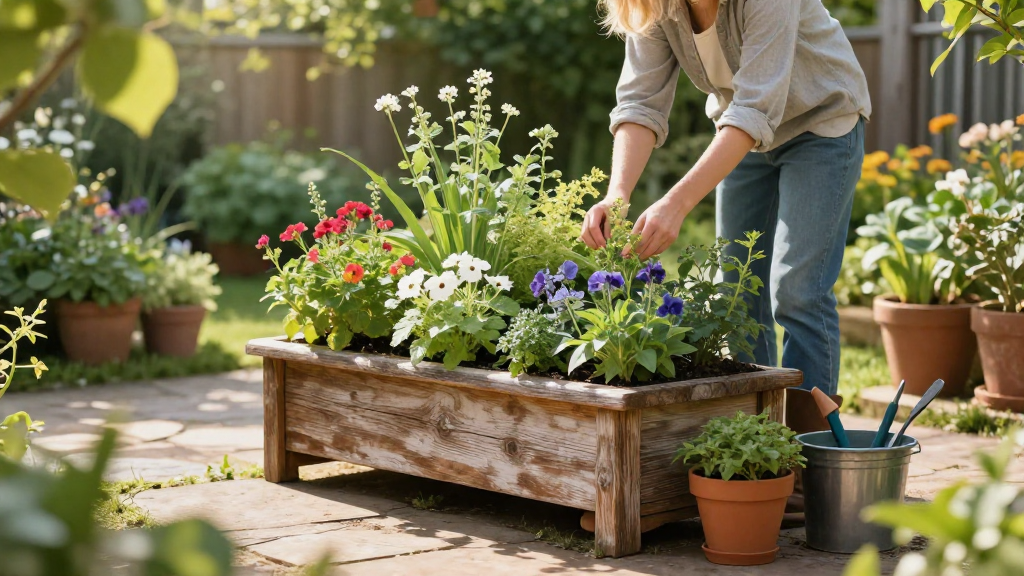
Small gardens often present unique challenges to gardeners seeking to maximize space.
Learning how to build a vertical planter can transform limited areas into lush, green sanctuaries.
In this article, we’ll explore how you can create your own vertical planter, along with tips on materials, design, and plant selection.
What Is a Vertical Planter?
A vertical planter is an innovative gardening solution that allows you to grow plants vertically, rather than in conventional horizontal spaces.
This approach utilizes walls, fences, or standalone frames to hold multiple plants.
It’s particularly effective in small gardens where traditional gardening methods may not be feasible.
Why Should You Build a Vertical Planter?
There are several benefits to consider when learning how to build a vertical planter:
- Space Saving: Vertical planters allow you to utilize vertical space, making them perfect for small gardens.
- Improved Air Circulation: Plants grown in vertical systems can benefit from better airflow, reducing the risk of mold and mildew.
- Better Sunlight Exposure: Elevated plants are often more exposed to sunlight, increasing photosynthesis and growth rates.
- Aesthetic Appeal: Vertical gardening adds a unique visual dimension, creating a vibrant focal point in your garden.
- Easier Maintenance: Elevated planters can be easier to access for watering and harvesting, reducing strain on your back and knees.
How to Gather Materials for Your Vertical Planter
Before you embark on your project, it’s essential to gather the right materials.
Here’s a suggested list of items you’ll need to learn how to build a vertical planter:
- Wood or pallets (for the frame)
- Wire mesh or trellis (for plant support)
- Potting soil (well-drained mix suitable for your plants)
- Plants or seeds (herbs, flowers, and vegetables work well)
- Drill (for assembly)
- Screws or nails (for fastening)
- Saw (to cut wood to size if necessary)
- Hardware cloth (to prevent soil from falling out)
- Funnel (optional, for easy soil filling)
How Do You Design a Vertical Planter?
Designing your vertical planter is a crucial step in learning how to build a vertical planter.
There are various styles to choose from, each offering different benefits.
Choose a Style
- Wall-Mounted Planter: These planters attach directly to a wall; they’re great for small spaces.
- Freestanding Planter: This type can be moved around your garden, allowing flexibility in design.
- Pocket Planter: Made with fabric or felt pockets, this compact option can fit in tight areas.
- Tiered Planter: A multi-tiered design can hold a variety of plants at different heights.
Create a Layout
Decide where you want to place your vertical planter.
Consider factors like sunlight exposure and accessibility for watering and harvesting.
Sketching a rough design can help you visualize the final product.
How to Build a Vertical Planter: Step-by-Step Guide
Step 1: Prepare Your Materials
Ensure all your materials are ready for assembly.
Cut your wood to the appropriate sizes based on your design.
This may include creating a flat back panel for wall-mounts or the frame for a freestanding planter.
Step 2: Build the Frame
Assemble the frame using screws or nails:
- Use the drill to secure the corners tightly.
- Ensure the frame is sturdy enough to hold the weight of the soil and plants.
Step 3: Attach the Support System
For a successful vertical garden, you’ll need to install either a trellis or wire mesh:
- Staple the hardware cloth or wire mesh to the frame.
- This will provide support for climbing plants and herbs.
Step 4: Add Soil and Plant Your Seeds
- Fill each compartment (if you have tiers or pockets) with high-quality potting soil.
- Moisten the soil lightly before inserting your plants or seeds.
- Choose plants that thrive in vertical gardens, such as:
– Herbs: Basil, mint, or parsley.
– Flowers: Petunias, nasturtiums, or trailing vines.
– Vegetables: Cherry tomatoes, cucumbers, or peppers.
Step 5: Water and Maintain
After planting, gently water your new vertical planter:
- Monitor your plants for moisture needs—vertical gardens may need more frequent watering.
- Ensure that the water drains properly to prevent root rot.
What Plants Are Best for Vertical Planters?
When learning how to build a vertical planter, it’s equally important to choose the right plants.
Consider the following options that thrive in vertical settings:
- Herbs: Thriving in smaller spaces, they’re also practical for cooking.
- Succulents: Require minimal care and add a unique touch.
- Vining Plants: Like tomatoes and beans, they trail beautifully down a vertical structure.
- Flowering Plants: Provide color and vibrancy to your towering green display.
How to Care for Your Vertical Planter
Caring for your vertical planter is critical for ensuring healthy plant growth.
Follow these tips:
- Watering: Check soil moisture regularly, particularly during hot weather.
- Fertilizing: Use a balanced organic fertilizer every few weeks.
- Pest Control: Regularly inspect plants for pests and diseases. Use organic pest deterrents if necessary.
- Pruning and Harvesting: Regularly prune overgrown plants to encourage new growth. Harvest herbs often to promote bushiness.
Conclusion
Learning how to build a vertical planter can be a rewarding project that maximizes your small garden space, adds beauty, and enhances your gardening experience.
By using the right materials, design techniques, and care strategies, you’ll be well on your way to creating a thriving vertical garden filled with delicious herbs, colorful flowers, and fresh vegetables.
By incorporating these guidelines, your vertical planter will not only look stunning but will also flourish, providing you with the joy of gardening in a confined area.
Now, roll up your sleeves, gather your materials, and start building your vertical garden oasis!