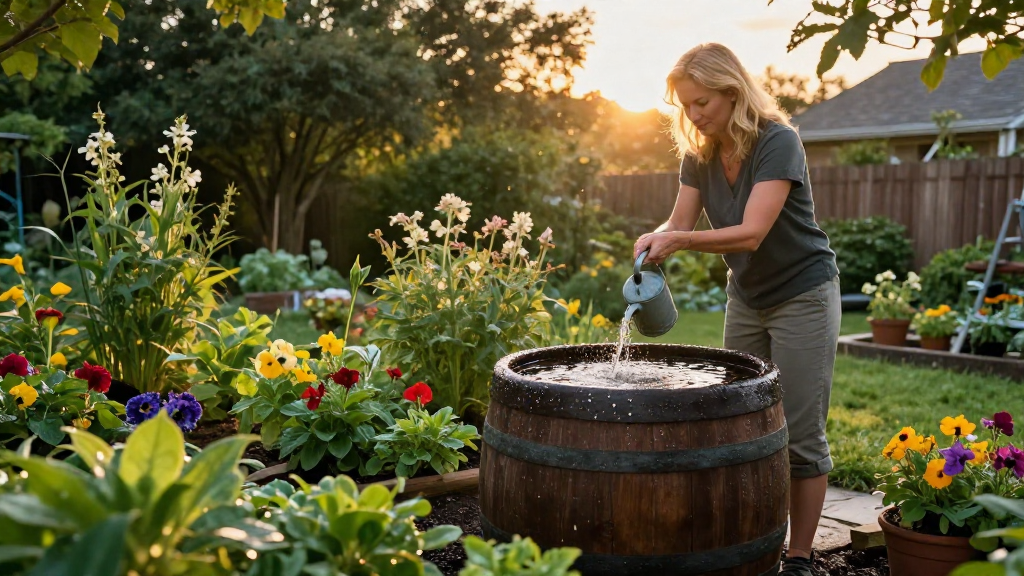
Collecting rainwater is a sustainable and eco-friendly way to water your garden.
In this guide, we will explore how to collect rainwater for gardening use, detailing various methods and systems that can help you make the most of this free resource.
What is the Best Method to Collect Rainwater?
The most effective method to collect rainwater for gardening involves setting up a rainwater collection system.
Here are some popular systems to consider:
-
Rain Barrels
– What Are They?
Rain barrels are large containers designed to collect and store rainwater from rooftops.
– How to Use Them:
Place them under downspouts to capture the water from your roof.
– Advantages:
Easy to install and manage, provides a sufficient supply of water for gardens. -
Rain Gardens
– What Are They?
Rain gardens are garden beds designed to capture and absorb rainwater runoff.
– How to Use Them:
Create a shallow depression in the landscape and plant moisture-loving plants.
– Advantages:
Helps reduce runoff, improves garden aesthetics, and supports local wildlife. -
Drip Irrigation Systems
– What Are They?
Drip irrigation systems deliver water directly to the roots of plants.
– How to Use Them:
Connect your rainwater collection system to a drip irrigation setup.
– Advantages:
Efficiently uses water, reduces evaporation, and minimizes water waste. -
Underground Tanks
– What Are They?
Large tanks installed underground to store rainwater.
– How to Use Them:
Collect rainwater through the downspouts into the underground tank.
– Advantages:
Helps save space, maintains cooler water temperatures, and reduces evaporation loss.
What Equipment Do You Need to Collect Rainwater?
To effectively collect rainwater for gardening, you’ll need some basic supplies:
- Rain Barrel(s): Choose a size that fits your needs and available space.
- Downspout Diverter: This ensures that rainwater is redirected into your barrel.
- Fine Mesh Screen: Place this on top to keep debris and insects out.
- Spigot: Set this up at the bottom of your rain barrel for easy access to water.
- Hoses: Necessary pieces for connecting and delivering water to plants.
- Watering Can or Drip Irrigation Tubing: For efficient watering.
Important Considerations
When setting up rainwater collection systems:
- Local Regulations: Check your municipality’s regulations on rainwater harvesting.
- Cleaning and Maintenance: Regularly clean the barrels, filters, and gutters to prevent algae growth and blockages.
- Water Quality: Always keep the collected water covered to avoid contamination.
How Can You Use Collected Rainwater in Your Garden?
Collected rainwater can be used in various ways to nourish your plants:
-
Watering Plants
– Use it directly for watering your garden beds, containers, and houseplants. -
Soaking Seeds
– Soak seeds in rainwater to prepare them for planting. -
Filling Bird Baths
– Provide fresh water to local wildlife, encouraging biodiversity in your garden. -
Irrigating Lawns
– Use a hose attachment to soak your lawn during dry spells. -
Composting
– Add rainwater to your compost heap, as it helps maintain optimal moisture levels.
Tips for Using Collected Rainwater
- Watering Timing: Water your garden early in the morning or late in the evening to reduce evaporation.
- Plant Selection: Choose drought-resistant plants to maximize the use of collected water.
- Mulching: Use mulch around your plants to retain moisture and reduce water evaporation.
- Monitor Usage: Keep an eye on how much rainwater you use to ensure you have plenty during drier months.
Are There Any Benefits of Collecting Rainwater for Gardening?
Collecting rainwater offers numerous benefits for both the gardener and the environment:
- Cost Savings: Reduces your water bill significantly during summer months.
- Sustainability: Minimizes reliance on municipal water supplies and conserves precious natural resources.
- Garden Health: Provides soft, chemical-free water that is better for plants.
- Flood Prevention: Assists in managing stormwater runoff and reduces the risk of flooding.
- Soil Quality: Rainwater is naturally more acidic, which can help improve soil quality over time.
How Much Rainwater Can You Expect to Collect?
The amount of rainwater you can collect depends on various factors:
- Roof Size: Larger roofs can collect more water.
- Rainfall Amount: Measure the average rainfall in your area.
- Barrel Size: The capacity of your rain barrel dictates how much you can store.
Calculation Example
To calculate the amount of water you can collect:
- Measure your roof area in square feet.
- Multiply by the average rainfall in inches (in feet).
- Use the formula:
(\text{Total gallons} = \text{Roof area (sq ft)} \times \text{Rainfall (ft)} \times 62.4)
For example, 500 sq ft of roof with 1 inch of rain would yield about 3,120 gallons of rainwater!
Conclusion
Understanding how to collect rainwater for gardening can significantly enhance your gardening experience while supporting environmental sustainability.
By implementing a rainwater collection system, you can efficiently water your plants, save costs, and contribute to a healthier ecosystem.
Now, go ahead and explore the best options for you, turning your garden into a thriving oasis with the help of collected rainwater!
Start collecting rainwater today and see the remarkable difference it can make to your gardening efforts!