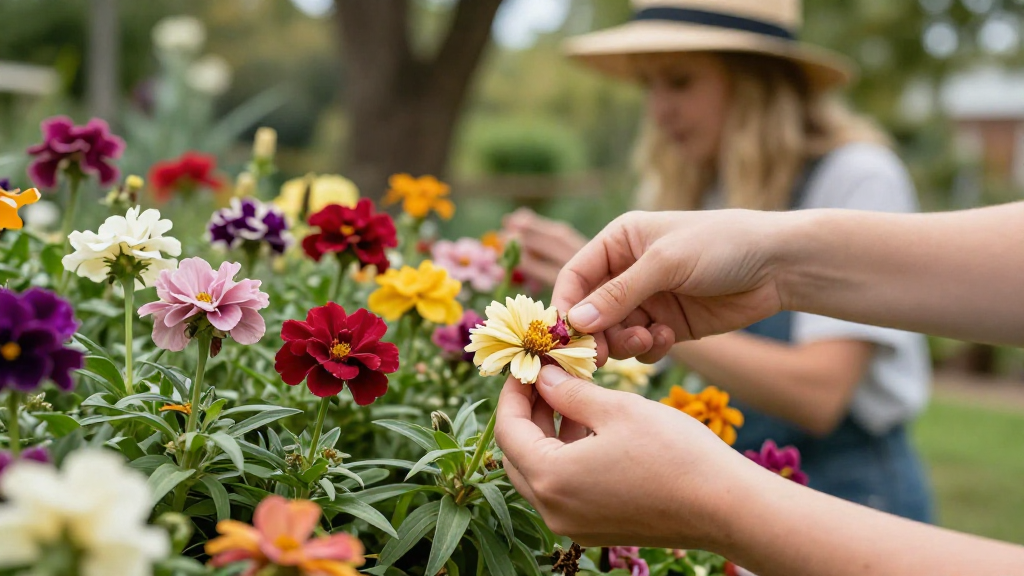
Learning how to deadhead flowers can transform your garden into a vibrant oasis filled with beautiful blooms.
In this article, we’ll explore everything you need to know about deadheading—from the basics to advanced techniques!
What Does It Mean to Deadhead Flowers?
Deadheading refers to the process of removing spent or faded flowers from a plant.
This encourages the plant to produce more blooms while preventing it from diverting energy into seed production.
Why is Deadheading Important?
- It promotes bushier growth.
- It helps maintain the plant’s health.
- It leads to more prolific flowering throughout the growing season.
By mastering how to deadhead flowers, you will enjoy a continuous display of vibrant colors in your garden.
When Should You Deadhead Your Flowers?
Timing is crucial when it comes to deadheading.
Generally, you should deadhead flowers when the blooms start to fade but before the petals drop off completely.
Look for these signs:
- Flowers losing their vibrant color
- Petals starting to curl or wilt
- The center of the flower turning brown or dry
It’s advisable to deadhead in the morning when the plant’s moisture levels are high, making it easier to handle.
What Tools Do You Need to Deadhead Flowers?
While deadheading can often be done with your fingers, having the right tools makes the process easier and more efficient.
Here are some recommended tools:
- Hand pruners: Ideal for tougher stems or plants with multiple blooms.
- Scissors: Useful for delicate flowers.
- Garden snips: Perfect for quick deadheading tasks.
Always ensure your tools are clean and sharp to make precise cuts and prevent any damage to the plant.
How to Deadhead Flowers: Step-by-Step Guide
Now that you’re equipped with the knowledge and tools, let’s go through the steps of how to deadhead flowers effectively.
1. Identify the Bloom
Look for spent blooms that require deadheading.
You want to focus on those that are beyond their prime.
2. Decide Where to Cut
When cutting:
- For annuals, trim just above the first set of leaves below the bloom.
- For perennials, cut back to the base of the bloom or just above a leaf node.
This helps trigger new growth and can prompt the plant to produce additional flowers.
3. Make Your Cuts
Using your preferred tool, make clean cuts.
For annuals, cut just above the leaves.
For perennials, cut back the stem to encourage fresh blooms.
4. Dispose of the Cuttings
To prevent disease and pest issues, dispose of the cuttings properly.
You can compost them if they are healthy or discard them in the trash if they show signs of disease.
5. Repeat Regularly
Regular deadheading is essential for optimal plant health.
Aim to deadhead every few weeks during the blooming season, particularly for prolific bloomers like petunias and geraniums.
Which Flowers Benefit from Deadheading?
Not all plants benefit equally from deadheading, but many popular garden flowers do.
Here’s a list of common flowers you should deadhead:
- Roses: Remove spent blooms above the first five-leaf leaf set.
- Dahlias: Cut back to the next set of leaves.
- Asters: Snip off wilted blooms to encourage new growth.
- Petunias: Remove faded blossoms for a longer blooming season.
- Coreopsis: Cut back to just above the leaves after flowering.
On the other hand, some flowers, like certain types of echinacea and ornamental grasses, are best left untrimmed post-bloom for visual interest or seed production.
How Often Should You Deadhead Different Types of Flowers?
Different flowers have different deadheading needs.
Annuals
For annuals, a generalized rule is to deadhead every 1-2 weeks.
These plants bloom continuously throughout the summer, so regular maintenance is key.
Perennials
Perennials often require less frequent deadheading.
Expect to deadhead them every 3-4 weeks, especially if they are known for multiple blooming cycles throughout the season.
Biennials
Biennials typically flower only once.
However, depending on the type, you may deadhead to maintain form or encourage a longer blossoming period.
What Are the Benefits of Deadheading Flowers?
Deadheading your flowers might seem tedious, but the benefits are numerous.
- Increased Flower Production: Many plants will bloom more often and produce larger blossoms.
- Enhanced Plant Health: Deadheading removes disease and pest-ridden blooms, keeping your plants healthier.
- Prolonged Blooming Season: By regularly deadheading, you can extend your plant’s blooming season, ensuring beautiful displays throughout the year.
Are There Any Flowers That Don’t Need Deadheading?
While most flowering plants benefit from deadheading, there are exceptions:
- Narcissus (Daffodils): Allow the leaves to remain for nutrient recovery.
- Certain types of sedum: They provide visual interest in their spent stage.
Understanding your plants is crucial to applying the right care.
Conclusion: Mastering How to Deadhead Flowers for More Blooms
In summary, how to deadhead flowers involves understanding when and how to remove spent blooms for optimal flower production.
By following the simple steps outlined in this guide, you can enhance your garden’s beauty and health.
Remember to use the right tools and maintain a regular deadheading schedule for the best results.
With a bit of practice, you will become proficient in deadheading, ensuring a flourishing display of flowers that brings joy to your garden all season long!