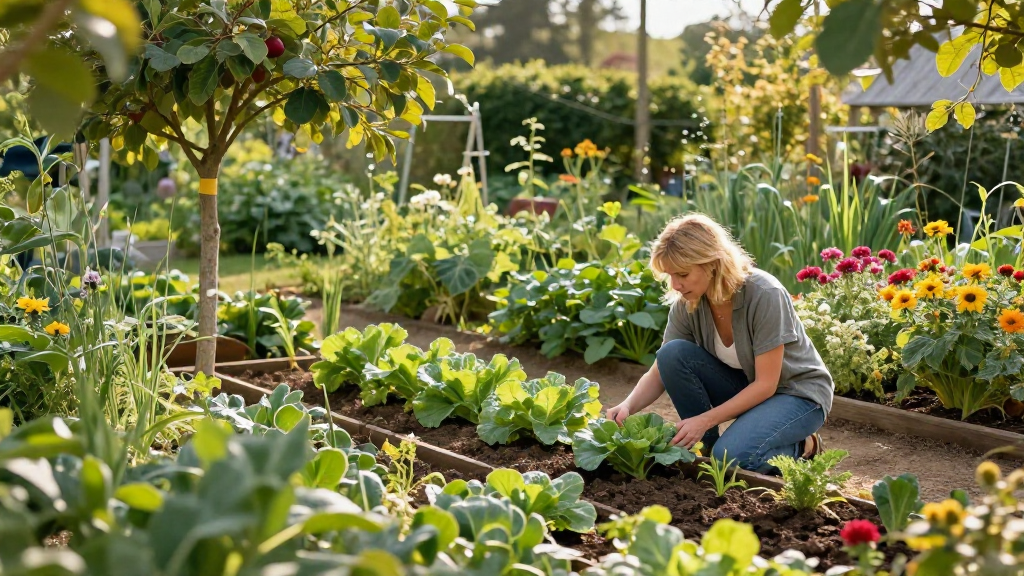
Are you interested in how to design a permaculture garden? Creating a sustainable and productive garden can be an incredibly rewarding experience. This guide will take you through the process step-by-step.
What is Permaculture?
Permaculture is an ecological design system that aims to create sustainable and self-sufficient agricultural ecosystems.
By integrating various elements such as plants, animals, soil, and water, you create a balanced environment.
This method mimics natural ecosystems, promoting biodiversity while maximizing efficiency.
What Are the Principles of Permaculture Design?
To effectively design a permaculture garden, it’s crucial to understand its core principles:
-
Observe and Interact: Before getting started, take time to observe your site.
– Note the sunlight patterns, water flow, and existing flora and fauna. -
Catch and Store Energy: Capture energy from sunlight, wind, and water to use later.
– Consider rainwater harvesting systems or compost bins for nutrient cycling. -
Obtain a Yield: Ensure that your garden produces food, medicine, or other useful resources.
– Plan for year-round yields by selecting a variety of plants. -
Apply Self-Regulation and Accept Feedback: Learn from outcomes and adjust your strategies.
– Monitor the health of your plants and soil regularly. -
Use and Value Renewable Resources: Make the most of locally available materials.
– Recycle organic waste like kitchen scraps and yard debris. -
Produce No Waste: Implement systems that minimize waste.
– Utilize leftover plant material as mulch or compost. -
Design from Patterns to Details: Start with the big picture and then focus on specifics.
– Sketch your garden layout before planting. -
Integrate Rather Than Segregate: Combine various elements for mutual benefits.
– Plant companion plants that can naturally repel pests or enhance growth. -
Use Small and Slow Solutions: Avoid complex systems that require intense energy input.
– Start with a small garden area to test your ideas.
How Do You Start the Design Process?
The first step in how to design a permaculture garden is planning.
1. Assess Your Site
Take a close look at your garden area:
- Sunlight:
- Where does the sun rise and set?
-
Identify which areas receive full sun versus shade.
-
Water:
- Is there natural runoff?
-
Where does water pool during rain?
-
Soil:
- Test your soil quality.
- Understand its composition and pH level.
2. Create a Base Map
Using graph paper or digital design tools, create a base map.
Include key features such as:
- Existing trees
- Structures (e.g., shed, garage)
- Pathways
- Slopes
- Water sources
3. Identify Zones
In permaculture, zoning is vital:
- Zone 1: Areas that receive the most attention (e.g., kitchen garden, herbs).
- Zone 2: Less frequently visited areas (e.g., berries, small trees).
- Zone 3: Plants requiring minimal maintenance (e.g., orchards, large crops).
- Zone 4: Semi-wild regions for forage (e.g., wild herbs, mushrooms).
- Zone 5: Untouched natural areas for wildlife.
What Plants Should You Include?
Choosing the right plants is crucial for how to design a permaculture garden effectively.
Aim for a mix of:
1. Perennials
These plants come back year after year and require less maintenance.
Examples include:
- Asparagus
- Rhubarb
- Berry bushes (e.g., blueberries, raspberries)
2. Annuals
These need to be planted every year, but they often yield quickly:
- Tomatoes
- Lettuce
- Beans
3. Companion Plants
Use plants that support each other:
- Basil with tomatoes (improves flavor and repels pests)
- Marigolds with almost anything (natural pest deterrent)
4. Native Plants
Integrate local plants that thrive in your area, promoting biodiversity:
- Research your region’s native herbs and flowers.
- Include them for environmental resilience.
How Do You Build Soil Health?
Healthy soil is a foundation for any productive garden:
1. Composting
Create a compost pile to recycle organic materials.
– Use kitchen scraps, yard waste, and cardboard.
2. Mulching
Use organic materials to cover your soil:
– This retains moisture and suppresses weeds.
3. Crop Rotation
Change the placement of crops each season to prevent soil depletion:
– Different types of plants affect the soil differently.
4. Soil Testing
Periodically test your soil to check nutrients and pH.
– Modify accordingly, adding amendments like lime or sulfur if needed.
How to Implement a Water Management System?
Water efficiency plays a key role in how to design a permaculture garden.
1. Rainwater Harvesting
Set up barrels to collect rainwater from gutters.
– Use this water to irrigate your garden.
2. Swales
Create swales or ditches along the slope to capture rainwater.
– This system prevents runoff and encourages infiltration.
3. Drip Irrigation
Install a drip irrigation system to deliver water directly to the roots.
– This conserves water and ensures targeted watering.
What Maintenance Does a Permaculture Garden Require?
While permaculture is about sustainability, maintenance is still necessary.
1. Regular Monitoring
Check for signs of pests and diseases.
– Employ organic pest control methods.
2. Pruning
Prune plants to encourage healthy growth and production.
– Remove dead or diseased branches.
3. Seasonal Planting
Adjust your planting based on the seasons.
– Rotate crops to maintain diversity and productivity.
Conclusion: Why Design a Permaculture Garden?
By following these steps on how to design a permaculture garden, you’ll create a thriving ecosystem.
This not only maximizes yields but also reduces your environmental impact.
As you learn and adapt, you’ll foster a deeper connection with nature and the food you grow.
Start today and watch your sustainable garden flourish!