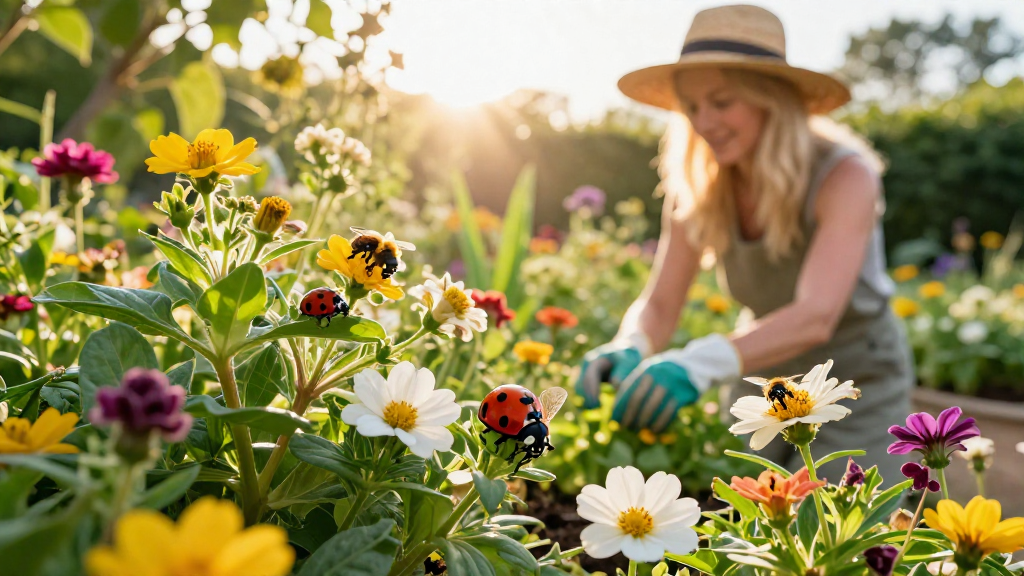
If you’re looking to create a flourishing garden that thrives naturally, understanding how to encourage beneficial insects is essential. These tiny allies, including ladybugs, bees, and predatory wasps, can dramatically improve your garden’s health by pollinating plants and controlling pests.
Why are Beneficial Insects Important for Your Garden?
Beneficial insects play crucial roles in maintaining the ecological balance of your garden.
-
Pollination: Many beneficial insects, such as bees and butterflies, are exceptional pollinators.
– They help in the reproduction of flowering plants, which increases crop yields. -
Pest Control: Insects like ladybugs and lacewings feed on aphids and other pest species.
– This natural form of pest control reduces the need for chemical pesticides. -
Soil Health: Some beneficial insects, such as beetles and ants, contribute to soil aeration and nutrient cycling.
– This helps promote healthy plant growth.
By nurturing these beneficial insects, your garden can become a self-sustaining ecosystem. So let’s explore how to encourage beneficial insects effectively.
What Plants Attract Beneficial Insects?
One of the simplest ways to encourage beneficial insects in your garden is through thoughtful plant selection. Certain plants serve as food and habitat for them. Here’s a list of some effective plants:
-
Flowering Herbs: Plants like basil, dill, and parsley produce attractive flowers that draw in pollinators.
-
Native Wildflowers: Wildflowers such as goldenrod and coneflower are excellent at attracting local insect populations.
-
Marigolds: These vibrant flowers not only attract beneficial insects but also deter harmful ones, making them a versatile choice.
-
Queen Anne’s Lace: A favorite among ladybugs and lacewings, this plant provides nourishment and habitat.
When choosing plants, it’s vital to consider local species that thrive in your region, as they are adapted to the local weather, soil, and pest conditions.
How Can You Create a Diverse Habitat?
Creating a welcoming environment is essential for how to encourage beneficial insects. A biodiverse garden is more attractive to various insect species. Here are some tips:
-
Layer Your Plants: Use a mix of tall, medium, and low plants.
– This setup not only creates shelter but also offers varied access to light and pollen. -
Include Ground Cover: Low-growing plants or mulch help retain moisture and provide homes for ground-dwelling insects.
-
Avoid Monoculture: Planting a single crop repeatedly can create a barren landscape. Instead, diversify your plantings to appeal to various insects.
-
Leave Some Areas Untouched: Designate a part of your garden as a “wild zone.”
– This natural habitat encourages beneficial insects to thrive.
How Can You Provide Water Sources?
Water is essential for all living organisms, including beneficial insects. Here are several ways to provide accessible water sources:
- Shallow Dishes: Fill shallow dishes or pans with pebbles and water.
-
This allows insects to land safely without drowning.
-
Birdbaths: Ensure your birdbath has a few stones or pebbles so insects can perch while they drink.
-
Rain Gardens: Create a rain garden to help capture and retain water while attracting beneficial insects.
Since many beneficial insects have delicate body structures, it’s crucial to keep water sources shallow and safe.
What Practices Help Reduce Chemical Use?
The widespread use of chemical pesticides can be detrimental to beneficial insects. Here’s how to minimize chemical use in your garden:
-
Integrated Pest Management (IPM): Adopt an IPM approach, which involves using natural pest deterrents like neem oil or insecticidal soap to manage pest populations.
-
Physical Barriers: Use row covers, insect netting, or traps to prevent harmful insects from reaching your plants while allowing beneficial insects to thrive.
-
Manual Removal: Hand-pick pests from plants where possible to limit harm to beneficial insects.
By practicing environmentally friendly methods, you won’t just protect beneficial insects; you’ll promote a healthier garden ecosystem.
How can You Create Shelter for Beneficial Insects?
Providing shelter for beneficial insects is another critical factor in how to encourage beneficial insects in your garden.
-
Insect Hotels: Build insect hotels using natural materials like bamboo sticks, wood, and straw.
– These structures can attract solitary bees, ladybugs, and other beneficial species. -
Brush Piles: Create brush piles or leave fallen leaves in a corner of your garden.
– This adds organic matter and provides hiding places for various insects. -
Stone Walls: Natural stone walls create microhabitats for beneficial insects while offering warmth and shelter.
Ensuring that beneficial insects have places to nest and hide increases their chances of survival and increases their presence in your garden.
What Are Some Additional Tips for Attracting Beneficial Insects?
Here are a few more strategies to enhance your garden’s appeal to beneficial insects:
-
Avoid Over-Watering: Excessive water can lead to fungal growth and attract harmful pests. Keep your soil moist but not soggy.
-
Embrace Composting: Create a compost pile to emit nutrients and attract beneficial insects that feed on decaying materials.
-
Provide a Variety of Flower Shapes and Colors: Diverse flower shapes attract different insect species.
-
Aim for flowers with single petals that are easier for insects to access.
-
Maintain a Healthy Balance: Remember, even pests have their role in the ecosystem. Allow some pest populations to thrive to ensure that beneficial insects have food to eat.
Final Thoughts: Why Should You Invest in Beneficial Insects?
Incorporating how to encourage beneficial insects into your gardening strategy can lead to a vibrant and productive garden. Not only do these tiny allies help with pollination and pest control, but they also contribute to the overall health of your garden environment.
By adopting practices that promote beneficial insects, you create a biodiverse ecosystem that supports thriving plants and nourishes a wide variety of wildlife.
Investing your time and effort in attracting and retaining beneficial insects ensures a sustainable future for your garden, making it a productive and beautiful retreat.
So, what are you waiting for? Start implementing these strategies today to see your garden thrive thanks to the power of beneficial insects!