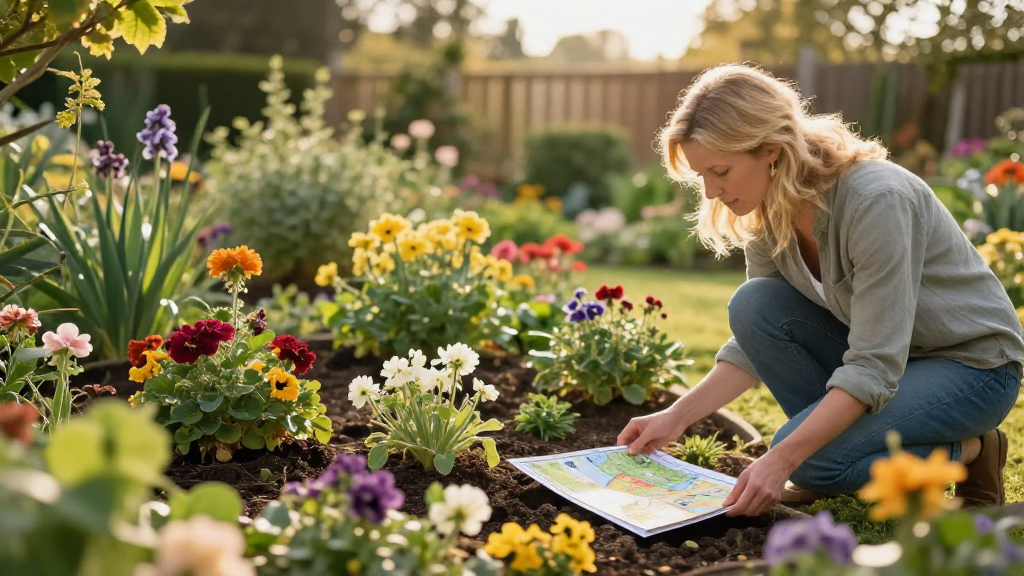
Finding your planting zone is essential for successful gardening and landscaping.
Understanding how to find your planting zone ensures you select the right plants for your local climate, ensuring they thrive and flourish. In this article, we’ll explore the various methods to determine your planting zone, highlight the importance of climate zones for gardeners, and provide tips for choosing the right plants based on this information.
What is a Planting Zone?
A planting zone, often referred to as a hardiness zone, is a geographical area defined by its climate characteristics, particularly temperature and growing conditions.
One of the most widely used systems in the United States is the USDA Plant Hardiness Zone Map, which divides the country into zones based on the average annual minimum temperature.
Knowing your planting zone helps you:
- Select suitable plants.
- Avoid planting fatalities due to extreme weather conditions.
- Plan your garden layout effectively.
How Do You Determine Your Planting Zone?
To learn how to find your planting zone, follow these easy steps:
1. Use the USDA Plant Hardiness Zone Map
-
Visit the USDA website and access their interactive map.
-
Input your zip code or state to pinpoint your exact location.
-
Check the corresponding zone. For example:
- Zone 3: Average annual minimum temperature of -40°F to -30°F.
- Zone 5: Average annual minimum temperature of -20°F to -10°F.
This map is a vital resource for any gardener looking to identify how to find your planting zone accurately.
2. Consider Local Climatic Influences
Local weather patterns can significantly affect your planting zone.
Factors to consider include:
- Elevation: Higher altitudes tend to be cooler.
- Proximity to bodies of water: Lakes and oceans can moderate temperatures.
- Urban heat islands: Cities can be several degrees warmer than surrounding rural areas.
Analyzing these factors helps you understand if your planting zone may skew slightly warmer or cooler than what the USDA map suggests.
3. Ask Local Garden Centers or Extension Services
Local experts are often the best resource for how to find your planting zone specific to your area.
Reach out to:
- Garden centers: Staffed by knowledgeable gardeners who can provide localized advice.
- Extension services: University-affiliated services that specialize in agriculture and horticulture.
4. Online Zone Finders and Gardening Apps
In this digital age, several websites and mobile apps can help you determine your planting zone.
Some popular tools include:
- Garden.org: Offers a zone finder where you can input your zip code.
- PlantSnap App: Identifies plants and provides their hardiness zones.
These resources can be handy for tech-savvy individuals looking to quickly gather zone information.
Why is Knowing Your Planting Zone Important?
Understanding how to find your planting zone is important for several reasons:
Seasonal Planting Timing
Each planting zone has a specific growing season.
Knowing your zone helps you decide when to plant your seeds or transplant seedlings.
This ensures that you avoid frost and take full advantage of the growing season.
Selecting the Right Plants
Not all plants thrive in every planting zone.
When you know your zone, you can choose plants that:
- Are suited for your temperature ranges.
- Will flourish in your specific climatic conditions.
This reduces the risk of purchasing plants that will not survive or produce.
Garden Design and Maintenance
Knowing your planting zone aids in creating a garden plan that incorporates:
- Perennials: Plants that return year after year.
- Annuals: Plants that need to be replanted each year.
Selecting the right combinations based on hardiness can also minimize garden maintenance efforts.
What Plants Thrive in Each Zone?
Here are some examples of plants that thrive well in various planting zones:
Zone 3
- Trees: Eastern Redbud, Amur Maple
- Shrubs: Winterberry Holly, Oakleaf Hydrangea
- Perennials: Daylilies, Peonies
Zone 5
- Trees: Sugar Maple, Red Oak
- Shrubs: Butterfly Bush, Blue Mist Spirea
- Perennials: Coneflowers, Sedums
Zone 7
- Trees: Crape Myrtle, River Birch
- Shrubs: Camellia, Lorepetalum
- Perennials: Fennel, Black-eyed Susan
Selecting plants based on their compatibility with your zone will maximize success and minimize frustration.
Are There Exceptions to Planting Zones?
While the USDA plant hardiness zones are a fantastic guideline, some exceptions exist.
Microclimates can change the expected plant behavior.
For instance, if you live in a sheltered valley, your garden may be warmer than indicated by the USDA map.
To address these exceptions:
- Conduct seasonal tests to see how specific plants perform.
- Observe which plants show growth patterns in sheltered areas or sun-facing spots.
What Common Mistakes to Avoid?
When learning how to find your planting zone, several common errors can hinder your gardening efforts:
-
Ignoring local microclimates: Always consider local variations.
-
Underestimating winter temperatures: Be mindful of sudden temperature swings that could affect young plants.
-
Not checking plant labels: Always verify the hardiness zone information provided for each plant you purchase.
-
Neglecting watering and soil requirements: Understanding how water retention and soil texture affect plant growth is vital.
Conclusion: Mastering Your Planting Zone
In conclusion, knowing how to find your planting zone is an essential skill for any gardener. With just a few resources, you can gather the vital information needed to plan a thriving garden.
From using interactive zone maps to consulting local experts, the tools available today make it easier than ever.
Remember to account for local climatic influences and select the right plants tailored to your zone.
Happy gardening!
With a little preparation, your plants will flourish, contributing to a beautiful landscape for years to come.