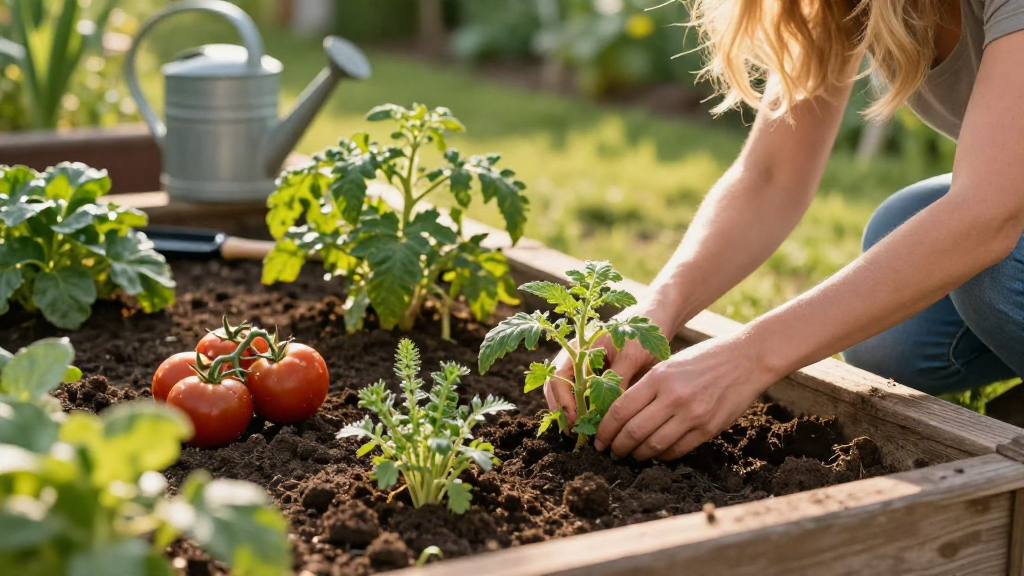
Gardening can be a rewarding and therapeutic activity, but if you’ve ever tried to grow plants in clay soil, you may have encountered some challenges.
This article will guide you on how to garden in clay soil without struggle, ensuring that your garden flourishes.
What Makes Clay Soil Challenging for Gardening?
Clay soil is known for its dense texture and lack of drainage.
Understanding these characteristics can help you better adapt your gardening techniques:
-
Heavy Texture: Clay particles are small and tightly packed, making the soil feel heavy and compacted.
-
Poor Drainage: In wet conditions, clay soil retains water, which can drown plant roots.
-
Nutrient Imbalance: While clay does hold nutrients well, it can become imbalanced or too acidic.
How Can You Improve Clay Soil for Gardening?
Improving your clay soil requires a multi-faceted approach, including techniques to enhance its structure, aeration, and drainage. Here are some effective strategies on how to garden in clay soil:
-
Add Organic Matter:
– Compost: Mix in well-rotted compost to improve soil structure and drainage.
– Mulch: Apply a layer of organic mulch to help retain moisture and promote healthy soil biology. -
Incorporate Gypsum:
– Gypsum helps to break down compacted clay.
– It also enhances drainage and nutrient availability. -
Practice Crop Rotation:
– Rotate your crops annually to avoid soil depletion and promote healthy microbial activity. -
Use Beneficial Cover Crops:
– Plant cover crops like clover or vetch during the off-season to improve soil structure.
– These crops can help break up dense clay layers while adding nutrients.
What Are the Best Plants for Clay Soil?
Choosing the right plants is crucial when learning how to garden in clay soil. Some plants thrive better in clay conditions:
- Native Plants: Choose plants that grow naturally in your region. They typically have the adaptations needed to thrive in clay.
- Perennials: Many perennials, such as daylilies and black-eyed Susans, can handle clay soil well.
- Vegetables: If you’re growing veggies, try beets, carrots, and potatoes, which prefer well-drained conditions but can adapt to clay soil with proper care.
How Should You Prepare Your Garden Bed?
Proper preparation is essential for ensuring successful gardening in clay soil. Follow these steps:
-
Test Your Soil:
– Evaluate pH and nutrient levels to determine amendments needed for optimal plant growth. -
Loosen the Soil:
– Use a garden fork or tiller to loosen compacted clay. Aim for a depth of at least 12 inches to promote root growth. -
Amend the Soil:
– Mix in your chosen organic matter, gypsum, or other amendments until the soil is well blended. -
Build Raised Beds (Optional):
– If clay soil is too difficult to manage, consider building raised garden beds filled with a better soil mix for improved drainage and aeration.
What are Some Effective Watering Techniques?
Watering in clay soil can be tricky due to poor drainage. Follow these tips on how to garden in clay soil effectively:
-
Use Soaker Hoses: They allow for deep, slow watering without waterlogging the surface.
-
Water Deeply and Infrequently: Encourage deeper roots by watering thoroughly but less often, allowing time for the soil to absorb moisture.
-
Avoid Over-Watering: Monitor rainfall and adjust your watering schedule, as clay soil retains moisture for longer periods.
How Can You Maintain Soil Health in Clay?
Maintaining soil health is vital for successful gardening. Implement these practices:
-
Regularly Add Organic Matter: Continually enrich your soil each season with compost or other organic materials.
-
Avoid Soil Compaction: Minimize walking on your garden beds to prevent compaction, which can suffocate plant roots.
-
Practice No-Till Gardening: Consider a no-till approach to help maintain soil structure, enhance biodiversity, and minimize disruption to soil organisms.
When is the Best Time to Plant in Clay Soil?
Timing is critical when learning how to garden in clay soil. Here’s what you need to know:
-
Spring Planting: Wait until the soil has dried enough to work. Clay soil can be incredibly tacky when wet, making it difficult to plant.
-
Fall Planting: Late summer to early fall can be an excellent time to plant perennials or cool-season crops, as soil tends to be more manageable.
How Do You Use Mulching to Your Advantage?
Mulching is an effective strategy to enhance your gardening efforts in clay soils. Consider these benefits:
-
Moisture Retention: Mulch helps retain soil moisture, reducing the need for frequent watering.
-
Weed Suppression: A good layer of mulch can prevent weeds, which compete for nutrients and water.
-
Temperature Regulation: Mulch keeps soil temperatures more consistent, providing a stable environment for plant roots.
Conclusion: Mastering How to Garden in Clay Soil
Gardening in clay soil doesn’t have to be a frustrating experience.
With the right techniques and care, you can create a flourishing garden that thrives in these conditions.
Start by improving soil structure and choosing suitable plants, and don’t forget to maintain soil health through consistent care.
By following these tips, you’ll discover that gardening in clay soil can be both successful and enjoyable.
So roll up your sleeves, embrace the challenge, and let your garden thrive!