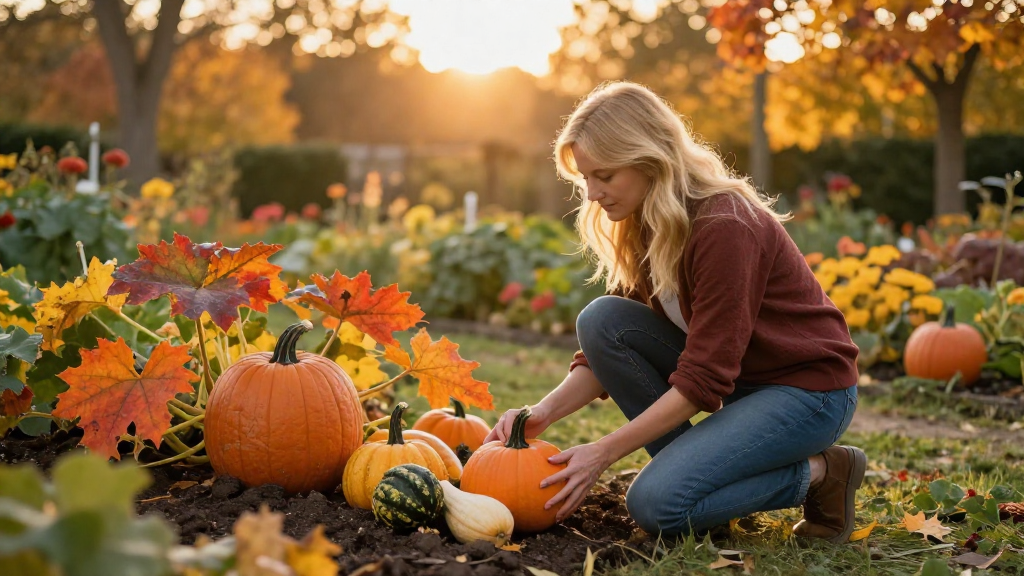
Learning how to garden in fall can lead to a bountiful final harvest before winter sets in.
As the days grow shorter and temperatures begin to drop, many gardeners often think it’s time to put their tools away for the season. However, fall is one of the best times to cultivate your soil and prepare your garden for a final flourish of productivity.
What Vegetables Can I Still Plant?
One of the first steps in how to garden in fall is knowing which vegetables are suitable for the cooler months. Here are some great options to consider:
-
Spinach: A hearty green that thrives in cooler temperatures.
-
Kale: Another cold-hardy vegetable that becomes sweeter after a frost.
-
Garlic: Ideally planted in the fall to ensure a strong crop in the spring.
-
Radishes: Fast-growing and can be harvested even with the first frosts.
-
Carrots: These root vegetables are perfect for fall planting and can be harvested in late winter or early spring.
These options allow you to continue reaping the benefits of your garden even as the weather changes.
How Should I Prepare My Garden for Fall?
Preparation is crucial when learning how to garden in fall. Here’s how you can optimize your garden for a final harvest:
-
Clean Up Debris: Remove any dead plants, weeds, or fallen leaves to prevent disease in the coming season.
-
Amend the Soil: Add organic matter, such as compost or well-rotted manure, to enrich your soil.
-
Mulch: Applying a layer of mulch can help retain moisture and regulate soil temperature.
-
Test Soil pH: Conduct a soil test to understand nutrient deficiencies and adjust accordingly with lime or sulfur.
-
Plan Your Layout: Consider rotating crops to reduce soil nutrient depletion, and ensure plants that thrive together are planted near each other.
By following these steps, you set the stage for successful fall gardening.
When is the Best Time to Plant for Fall Harvest?
Timing is essential in how to garden in fall. Depending on your climate and the vegetables you choose, the best time to plant is generally between late summer and early fall.
-
For Cooler Climates: Aim to plant by early September.
-
For Mild Climates: You can often plant until mid-October.
It’s vital to check local agricultural extensions or gardening clubs for more localized advice based on your hardiness zone.
What Are the Key Maintenance Practices for Fall Gardening?
Once you’ve planted, maintaining your garden is essential. Here’s how to care for your plants during the fall season:
-
Watering: While fall usually brings more rain, newly planted seeds or transplants might need additional watering to establish roots.
-
Fertilizing: Use a balanced fertilizer to promote healthy growth in your fall crops.
-
Pest Control: Keep an eye out for pests, which may still be active. Use organic methods such as neem oil or insecticidal soap if needed.
-
Harvesting: Regularly check your plants for maturity. Many fall vegetables can be harvested before frost, but some, like carrots and kale, actually taste better after exposure to frost.
These practices ensure your fall garden remains productive until the last harvest.
How to Extend Your Growing Season in Fall?
If you’re serious about perfecting how to garden in fall, extending your growing season can be beneficial. Here are some effective methods:
-
Row Covers: Light fabric covers can protect crops from frost and prolong growth.
-
Cold Frames: These mini-greenhouses trap heat from the sun and create a warmer environment for your plants.
-
Greenhouses: For a more permanent solution, consider investing in a greenhouse for year-round gardening.
-
Mulching: As mentioned earlier, a layer of mulch not only helps with moisture retention but also buffers against temperature fluctuations.
These techniques can help you maximize your fall crop yields by insulating your plants against the colder weather.
What Should I Do After Harvesting in Fall?
Once you’ve harvested your crops, how to garden in fall isn’t completely over. Here are some tasks worth considering:
-
Clean the Area: Like the preparation stage, removal of debris is vital to keep pests and diseases at bay.
-
Plant Cover Crops: Consider sowing cover crops, such as clover or rye, which can improve soil health and catch nutrients over the winter.
-
Plan for Spring: Take note of what worked and what didn’t throughout the growing season.
-
Store Your Tools: Clean and store your gardening tools properly to ensure they last for many seasons.
-
Inventory Your Supplies: Check your gardening supplies and make note of what you’ll need for next year’s planting.
Conclusion: How to Successfully Garden in Fall for Your Final Harvest
Learning how to garden in fall can significantly enhance your gardening experience and extend your harvest season.
By planting late-season vegetables, preparing your garden effectively, and practicing proper maintenance, you can enjoy a productive garden while mitigating the impending winter.
Remember, each time you step into the garden, you’re embracing a world of possibilities. Whether you’re reaping the last rewards of the season or preparing for the next, every moment spent caring for your plants is a step toward a vibrant and fruitful garden year after year. Happy gardening!