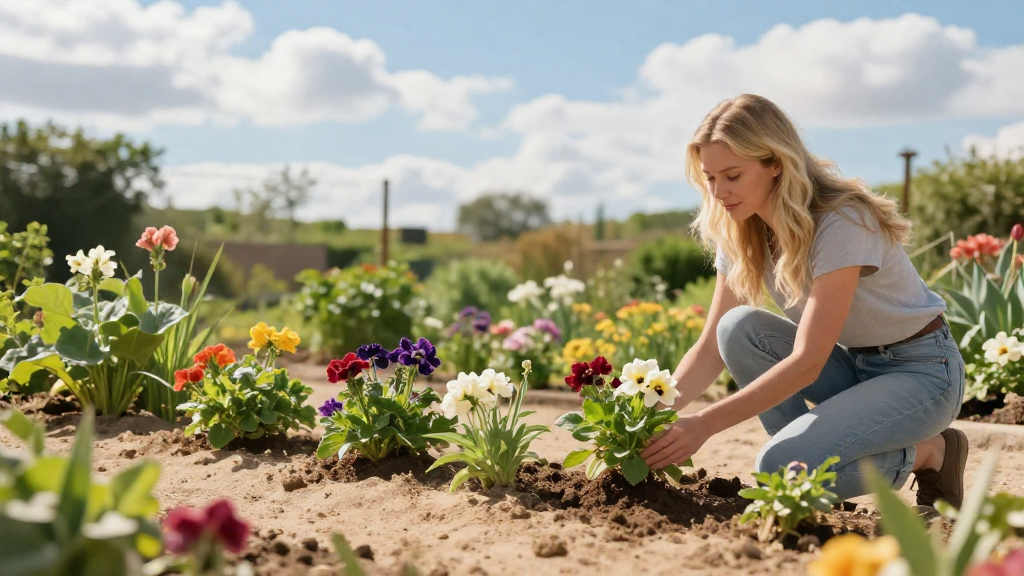
If you’re wondering how to garden in sandy soil, you’ve come to the right place.
Gardening in sandy soil can present unique challenges, but with the right techniques and tips, you can cultivate a thriving garden.
What Makes Sandy Soil Different?
Sandy soil is composed mainly of larger soil particles, which gives it a gritty texture.
This type of soil has several characteristics:
- Drainage: Sandy soil drains quickly, which can be a double-edged sword.
- Nutrient Retention: It is poor at retaining nutrients and moisture.
- Aeration: It allows for excellent aeration, which is beneficial for root development.
Understanding these traits is essential when learning how to garden in sandy soil effectively.
What Should You Add to Sandy Soil?
To enhance sandy soil for better gardening outcomes, consider the following amendments:
- Organic Matter: Incorporate well-rotted compost, manure, or leaf mold.
- Mulch: Use organic mulch like straw, wood chips, or bark to retain moisture.
- Clay Soil: Mixing in clay soils can improve nutrient retention.
These amendments will aid in both moisture retention and nutrient availability, allowing plants to thrive.
How Can You Improve Water Retention?
Water management is critical when learning how to garden in sandy soil.
Here are ways to improve water retention:
- Use Drip Irrigation: This targeted method reduces water loss through evaporation.
- Plant Native Species: Native plants often require less water and are adapted to local conditions.
- Install a Rain Garden: This can help capture and retain rainwater runoff.
- Create a Swale: Shape the land to slow the movement of water and encourage soaking into the ground.
By employing these techniques, you’ll create a sustainable garden.
What Plants Thrive in Sandy Soil?
When choosing plants, consider those that flourish in sandy conditions.
Here are some great options:
- Herbs: Lavender, rosemary, and thyme do well in sandy terrain.
- Vegetables: Root vegetables like carrots and onions can thrive; just ensure adequate watering.
- Flowers: Perennials like daylily, coneflowers, and black-eyed Susans are suitable choices.
- Shrubs: Foundation plants like beach plum and juniper can survive in sandy soils.
Selecting the right plants is an essential step in mastering how to garden in sandy soil.
When Is the Best Time to Plant in Sandy Soil?
Timing can impact your garden’s success, particularly in sandy soils.
Here’s the best schedule to follow:
- Spring Planting: Start cool-season crops like lettuce and peas as soon as the frosts pass.
- Summer Planting: Late spring is a great time for warm-season crops such as tomatoes, peppers, and beans.
- Fall Planting: Consider planting cover crops in the fall to enhance soil fertility and structure.
By planting at the right times, you can optimize growth in sandy soils.
How Often Should You Water?
Because sandy soil drains quickly, watering frequency is crucial.
Here are some guidelines:
- New Plants: Water daily for the first week. After that, reduce to every other day for two weeks.
- Established Plants: Water once a week, but check soil moisture regularly.
- Drought Tolerance: Train plants to be drought-tolerant by gradually reducing watering as they mature.
Maintaining an appropriate watering schedule is vital when figuring out how to garden in sandy soil.
Should You Test Your Soil?
Absolutely! Understanding your soil’s composition can help you figure out what amendments are necessary.
Here’s how you can test your sandy soil:
- DIY Test: Take a soil sample and mix it with water. Let it settle; then evaluate the layers.
- pH Test: Use a soil pH kit to determine acidity and alkalinity, which can influence plant choice.
- Nutritional Content: Consider a lab test for a complete analysis.
Testing will provide insight into your soil’s health and help you make informed gardening decisions.
What Challenges Might You Encounter?
Gardening in sandy soil isn’t without its difficulties.
Be prepared for issues such as:
- Nutrient Depletion: Because sandy soil washes away nutrients quickly, regular amendments are necessary.
- Pest Problems: Certain pests may thrive in sandy conditions, necessitating preventive measures.
- Watering Issues: Be vigilant about moisture retention, as sandy soil dries out rapidly.
By acknowledging these challenges, you can better prepare and adapt your gardening strategy.
How Can You Use Companion Planting?
Companion planting can maximize your plants’ growth potential in sandy soil.
Here are a few beneficial pairings:
- Tomatoes and Basil: These two can boost each other’s flavor and growth.
- Carrots and Onions: Their scents deter pests and reduce competition for nutrients.
- Corn and Beans: Beans can fix nitrogen in the soil, benefiting corn.
Implementing companion planting is another way to succeed in knowing how to garden in sandy soil.
Conclusion: Your Path to a Flourishing Garden
Learning how to garden in sandy soil successfully involves embracing the unique characteristics of sand, improving its quality, and choosing the right plants.
With the right techniques, patience, and persistence, your sandy soil can become a thriving garden oasis.
Start with soil amendments, establish a proper watering schedule, and select plants suited for sandy conditions.
Before long, your garden will flourish, revealing the beauty and bounty that sandy soil can yield.
By following this guide, you will not only master how to garden in sandy soil, but you’ll also find joy in the journey and satisfaction in the results.