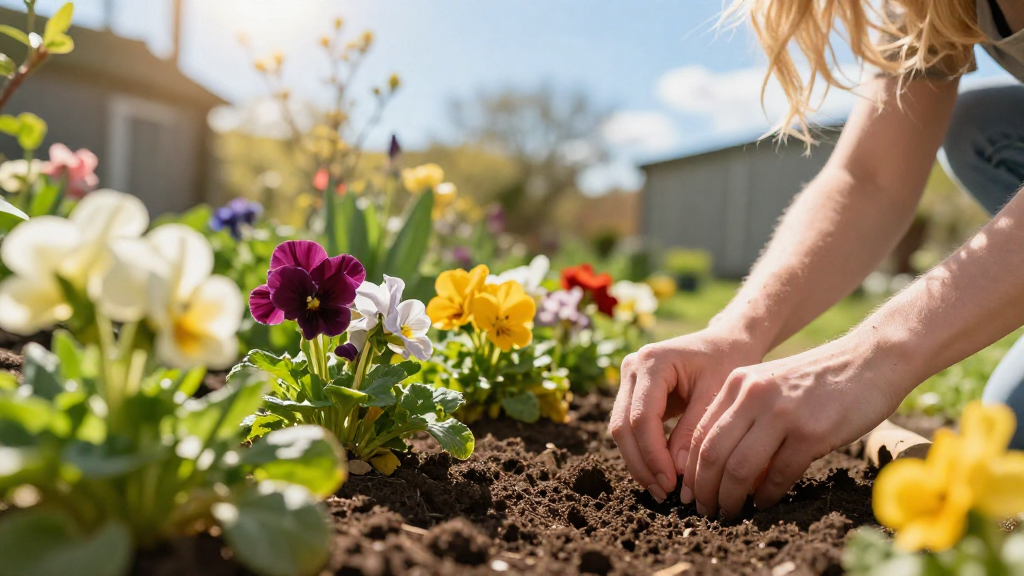
Spring is the perfect season for gardeners eager to revitalize their outdoor spaces.
Understanding how to garden in spring can set the foundation for a bountiful growing season.
In this article, we will explore effective strategies and best practices to ensure a thriving garden as winter fades away.
Why is Spring the Best Time to Start Gardening?
Spring brings longer days, warmer temperatures, and increased rainfall, creating an ideal environment for various plants.
Here are a few reasons why spring is the best time to start gardening:
- Soil Temperature Rises: Warmer soil promotes healthy root development.
- Increased Daylight: Longer days provide plants with more energy for growth.
- Availability of Fresh Seeds and Plants: Nurseries and garden centers typically stock a wide variety during spring.
Understanding these benefits will help you tackle how to garden in spring more effectively.
When Should You Start Gardening in Spring?
Timing is crucial when embarking on your journey of how to garden in spring.
Here’s a simple guideline:
Know Your Hardiness Zone
- USDA Hardiness Zones: Check the USDA Hardiness Zone Map to know when the last frost date is in your area.
- Local Recommendations: Consult local gardening groups or extension services for tailored advice.
Follow the Weather
- Outdoor Prep: Wait until the soil is workable, which usually happens after the last frost.
- Reliable Forecast: Monitor weather forecasts to ensure you’re not caught off-guard by a late frost.
What Tasks Should You Complete for Spring Gardening?
When learning how to garden in spring, several essential tasks need your attention.
Here’s a checklist to help you get started:
1. Clean Up the Garden
- Remove Debris: Start by cleaning up fallen leaves, branches, and any other debris from winter storms.
- Weed Control: Pull out early weeds before they have a chance to spread.
2. Assess and Amend the Soil
- Testing Soil: Conduct a soil test to determine pH and nutrient levels.
- Enrich the Soil: Use compost or well-rotted manure to enrich the soil for optimal plant growth.
3. Plan Your Garden Layout
- Decide on Plants: Choose vegetables, flowers, and herbs suited for spring planting.
- Consider Spacing: Ensure adequate spacing based on each plant’s mature size.
What Should You Plant in Spring?
Understanding which plants thrive during this season is crucial when discussing how to garden in spring.
Ideal Cool-Season Crops
- Lettuce: Quick-growing and perfect for cool temperatures.
- Spinach: Another leafy green that can withstand light frost.
- Peas: Plant these early for a delightful spring harvest.
When to Transition to Warm-Season Crops
- Tomatoes: Wait until nighttime temperatures are consistently above 50°F.
- Basil: Plant alongside tomatoes when the soil warms.
- Peppers: Introduce these heat-loving plants after the final frost.
How Do You Care for Your Spring Plants?
Once you’ve planted your garden, caring for your plants is key to their success.
Here are some care tips:
Watering
- Consistent Moisture: Keep the soil consistently moist, especially for newly planted seeds.
- Morning Watering: Water in the early morning to minimize evaporation.
Mulching
- Weed Control: Apply a layer of organic mulch to suppress weeds.
- Moisture Retention: Mulch helps maintain soil moisture and regulate temperature.
Fertilizing
- Type of Fertilizer: Use a balanced fertilizer high in phosphorus to encourage flowering and fruiting.
- Application: Follow the recommended application rates for the best results.
How Can You Prevent Pests and Diseases?
As spring progresses, the likelihood of pests and diseases increases.
Here are some preventative measures:
Monitor Your Plants Regularly
- Pest Inspection: Regularly scout your plants for any signs of disease or pest damage.
- Consider Beneficial Insects: Attract bugs like ladybugs that prey on common garden pests.
Use Organic Control Methods
- Neem Oil: This natural pesticide can help manage a range of pests.
- Companion Planting: Some plants, like marigolds, deter pests when planted among vegetables.
What Tools Do You Need for Spring Gardening?
To effectively manage your garden, certain tools are essential.
Here’s a list of must-have gardening tools:
- Shovel: Perfect for digging holes and turning soil.
- Hand Trowel: Ideal for planting and transplanting small plants.
- Pruning Shears: Necessary for trimming and shaping plants.
- Gloves: Protect your hands while handling soil and plants.
How Do You Enjoy Your Garden This Spring?
As you learn how to garden in spring and put your plans into action, make sure to take the time to enjoy your growing space.
Create Relaxation Areas
- Seating: Install a bench or chair to sit and appreciate your hard work.
- Decorative Elements: Add garden ornaments or sculptures to enhance the aesthetic appeal.
Invite Friends and Family
- Spring Gatherings: Host a garden party as your plants bloom and flourish.
- Garden Tours: Share your gardening journey with others—it’s a great way to inspire fellow gardeners!
Conclusion
Gardening in spring is an exhilarating experience that opens the door to endless possibilities.
By understanding how to garden in spring, from the initial stages of soil preparation to the execution of pest management, you’ll cultivate a flourishing garden ready to enjoy throughout the growing season.
Implement these tips and tricks to kick off your gardening journey, and watch your flowers bloom and your vegetables thrive!
With dedication and careful planning, your spring garden will not only yield bountiful results but also become a sanctuary of beauty and peace in your outdoor space. Happy gardening!