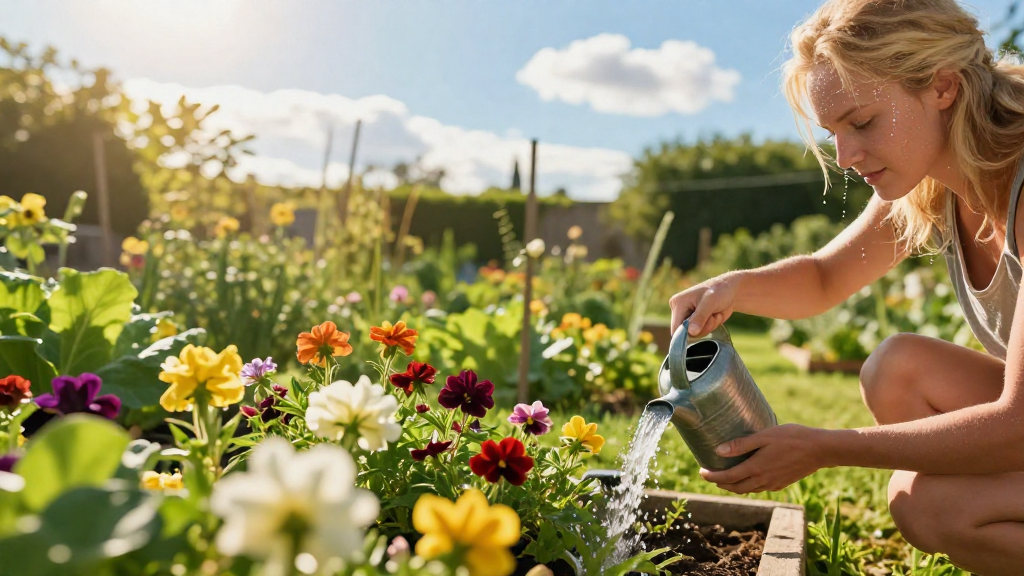
Gardening in the heat of summer can be both challenging and rewarding.
To successfully learn how to garden in summer, it’s essential to adopt strategies that will help plants thrive despite high temperatures.
What Happens to Plants in Summer Heat?
During summer, plants experience several physiological changes due to extreme temperatures and intensified sunlight.
These conditions can lead to:
- Increased water evaporation, causing drought stress.
- Soil compaction, making it harder for roots to absorb moisture and nutrients.
- Sunburn on leaves, resulting from too much direct sunlight.
Proper methods are necessary to ensure that gardens not only survive the summer heat but also continue to flourish.
What Can I Do to Prepare My Garden for Summer?
Preparation is key when learning how to garden in summer. Here are several crucial steps to take before the heat arrives:
-
Choose the Right Plants:
– Opt for heat-resistant varieties like:- Zinnias
- Sedum
- Lantana
- Native plants are often better adapted to local climates.
-
Improve Soil Quality:
– Enrich soil with organic matter such as compost or well-rotted manure.
– Ensure good drainage to help roots access moisture. -
Mulch:
– Apply a layer of organic mulch (straw, bark, or grass clippings).
– This conserves moisture and keeps roots cool. -
Set Up Shade:
– Use shade cloth or install trees to provide natural shade.
– Consider placing larger plants or structures to shield smaller plants.
How Often Should I Water My Garden?
Watering frequency can significantly impact your garden’s survival during summer heat.
Here’s a simple guide to follow:
- Deep Watering:
- Water deeply and infrequently instead of shallow and frequently; this encourages deep root growth.
-
Aim for 1 to 1.5 inches of water weekly, including rain.
-
Time of Day Matters:
- Water early in the morning or late in the evening when temperatures are cooler.
-
Avoid watering during the hottest part of the day to prevent evaporation and shock to the plants.
-
Use Drip Irrigation:
- Consider installing a drip irrigation system for efficiency.
- This method delivers water directly to the root zone, minimizing evaporation.
Should I Fertilize My Garden in Summer?
While learning how to garden in summer, it’s crucial to know when and how to fertilize your plants.
Here are some tips:
- Use Slow-Release Fertilizers:
-
These types of fertilizers provide nutrients over an extended period, reducing the need for frequent applications.
-
Monitor Plant Needs:
- Pay attention to signs of nutrient deficiency such as yellowing leaves.
-
Apply organic fertilizers judiciously, focusing on nitrogen, phosphorus, and potassium.
-
Timing:
- Fertilize early in the season rather than during intense heat.
- Excessive nitrogen during the late summer can promote tender growth that’s more susceptible to heat stress.
How Can I Protect My Plants from Heat Stress?
Heat stress can be devastating to your garden.
Here are actionable strategies to mitigate its effects:
- Adequate Water Supply:
-
Check the soil moisture regularly and adjust watering as necessary.
-
Humidity Consideration:
-
Dry air can be more challenging; misting plants can help in some cases.
-
Strategic Plant Placement:
-
Position taller plants on the western side to provide shade for shorter ones.
-
Pests and Diseases:
- Monitor closely for pests and diseases that may emerge due to stress.
- Use natural deterrents or organic pesticides when needed.
What Tools Are Essential for Summer Gardening?
To effectively learn how to garden in summer, you’ll need specific tools at your disposal:
-
Soil Moisture Meter:
– Essential for determining when to water. -
Garden Hose or Drip Irrigation System:
– A flexible, efficient way to ensure that all plants get enough water. -
Mulching Tools:
– Rake and shovel for applying mulch quickly. -
Hand Pruners:
– Used to remove dead or damaged leaves. -
Shade Cloth:
– A lightweight fabric to offer instant protection against extreme sun.
When Do I Harvest in Summer?
Most summer gardens yield vibrant fruits and vegetables that can be harvested at varying times.
Here’s how to know when to take your produce:
- Regular Monitoring:
-
Check daily for ripe fruits like tomatoes and cucumbers.
-
Signs of Ripeness:
-
Look for color changes and try gentle pressure; ripe fruits will yield slightly.
-
Early Morning:
- Harvest in the coolness of the morning; this preserves quality and extends shelf life.
What to Plant in Summer?
Even when temperatures soar, there’s still an abundance of plants to grow.
Consider planting:
- Heat-Tolerant Vegetables:
- Sweet potatoes
- Okra
-
Eggplants
-
Fragrant Herbs:
- Basil
- Thyme
-
Oregano
-
Flowers:
- Bright summer varieties like sunflowers and marigolds will continue to thrive in heat.
In Conclusion
Learning how to garden in summer involves understanding both your plants and local climate conditions.
By preparing appropriately, watering wisely, and selecting the right plants, you can create a thriving garden even during the hottest months.
Remember: Gardening is not just about growing plants; it’s about creating a vibrant and sustainable ecosystem that endures through every season.
So get your tools ready, make thoughtful choices, and enjoy the beauty and bounty of your summer garden!