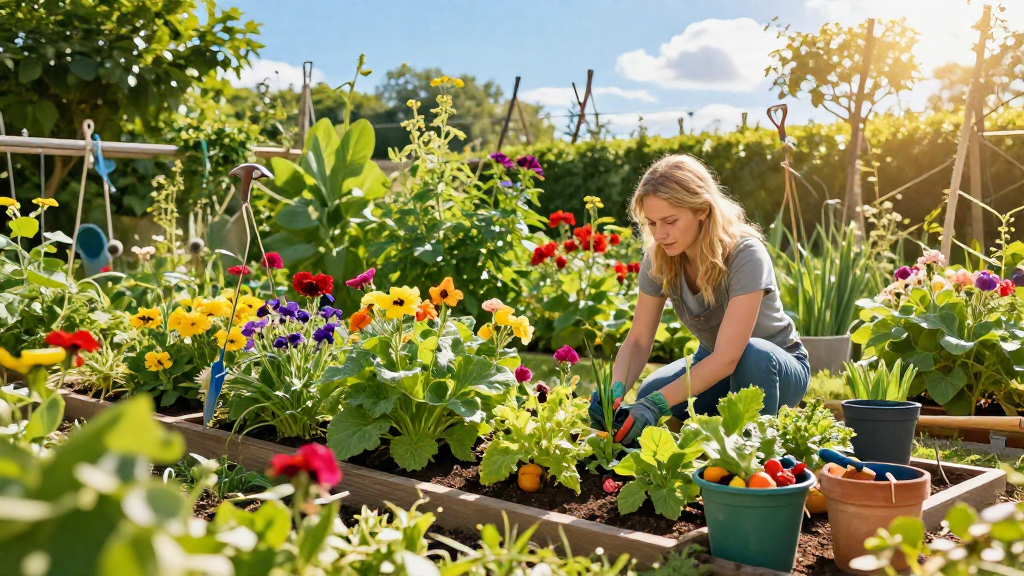
Are you looking to achieve bountiful harvests in your garden? Learning how to garden in Zone 9 can set you on the path to a thriving garden full of delicious fruits and vegetables.
What is Zone 9 Gardening?
Zone 9 is one of the gardening hardiness zones outlined by the USDA.
It typically encompasses areas with a climate that allows for mild winters and extended growing seasons.
Key characteristics of Zone 9:
- Frost dates: Last frost usually occurs between mid-March and late April; the first frost typically falls between late November and early December.
- Temperature range: Average winter lows can drop to 20-30°F, while summer highs can exceed 100°F.
- Growing season: Many vegetables and flowers can be grown almost year-round.
Understanding these conditions is crucial when learning how to garden in Zone 9 effectively.
What Plants Thrive in Zone 9?
Knowing which plants thrive in Zone 9 is essential for a successful gardening experience.
Here are some popular options:
- Vegetables:
- Tomatoes
- Peppers
- Squash
- Eggplant
- Beans
- Sweet potatoes
-
Carrots
-
Herbs:
- Basil
- Cilantro
- Oregano
- Rosemary
-
Thyme
-
Fruits:
- Citrus trees (like oranges and lemons)
- Figs
- Avocados
- Berries (like strawberries and blueberries)
Incorporating a variety of these plants will help you learn how to garden in Zone 9 for diverse and abundant yields.
How Do You Choose the Right Soil?
The foundation of any successful garden is quality soil.
For gardening in Zone 9, focus on these critical factors:
-
Well-draining soil:
Improving drainage is vital, especially during the rainy season.
Add organic matter like compost to enhance drainage and nutrient availability. -
Soil pH:
Most vegetables thrive in slightly acidic to neutral pH levels (6.0-7.0).
Conduct a soil test to determine your soil’s pH and amend it accordingly. -
Nutrients:
The essential nutrients to keep in mind include nitrogen, phosphorus, and potassium.
Regularly amend your soil with natural fertilizers to ensure these nutrients are available.
By choosing the right soil, you set a solid base for successful gardening. The next step is understanding planting techniques.
What are the Best Planting Techniques?
When learning how to garden in Zone 9, consider various planting techniques that can lead to higher yields. Here are a few effective methods:
-
Raised Beds:
Create raised beds for improved drainage and ease of access.
This method can significantly enhance your garden’s productivity. -
Container Gardening:
This is a great option for those with limited space.
Select appropriate container sizes to ensure proper root growth. -
Succession Planting:
To maximize yield, plant in intervals.
Choose fast-growing crops that can be harvested before slower varieties. -
Companion Planting:
Pairing plants that benefit from each other’s presence can boost growth and deter pests.
For example, planting basil near tomatoes can improve flavor and repel harmful insects.
Mastering these planting techniques will greatly assist you in understanding how to garden in Zone 9 for endless harvests.
When is the Best Time to Plant?
Timing is crucial for harvesting success in Zone 9.
When deciding what and when to plant, follow these seasonal guidelines:
-
Spring Planting (March to May):
Ideal for sowing warm-weather crops like tomatoes, peppers, and beans.
Ensure the soil is warm enough to promote seed germination. -
Fall Planting (August to October):
Great for cool-weather crops such as spinach, lettuce, and kale.
These crops often perform better during milder temperatures. -
Year-Round Gardening:
Due to the mild winters, some plants can be grown throughout the year.
Continuously monitor temperatures and adjust your planting schedule as needed.
Why is Watering Important?
Irrigation practices can make or break your garden’s success.
Here are some watering tips specific to how to garden in Zone 9:
-
Deep Watering:
Water less frequently but more deeply. This encourages deeper root growth and drought resistance. -
Mulching:
Use organic mulch to retain soil moisture, suppress weeds, and regulate soil temperature. -
Morning Watering:
Water early in the day to reduce evaporation and fungal diseases. -
Irrigation Systems:
Consider installing a drip irrigation system for efficient watering that saves time and resources.
How Do You Control Pests Naturally?
Pest control is a common challenge faced by gardeners.
To manage pests organically while learning how to garden in Zone 9, consider these methods:
-
Beneficial Insects:
Encourage the presence of ladybugs, lacewings, and predatory wasps.
They feed on common garden pests. -
Neem Oil & Insecticidal Soap:
These are excellent natural remedies for pest infestations.
They are safe to use on food crops and pets. -
Crop Rotation:
Change the location of your crops annually to disrupt the life cycle of pests.
This also reduces soil nutrient depletion.
What Are the Benefits of Organic Gardening?
Adopting organic practices can be beneficial for both your health and the environment.
Here are several advantages to consider:
-
Healthier Produce:
Organic fruits and vegetables are free from synthetic pesticides, providing a healthier option. -
Biodiversity Benefits:
Organic gardening encourages a more diverse ecosystem, which is critical for soil health and pest management. -
Environmental Impact:
By avoiding chemical fertilizers and pesticides, you protect local water sources and contribute to a healthier environment.
Embracing organic gardening is one of the best strategies when learning how to garden in Zone 9.
How Can You Stay Committed to Your Garden?
Commitment is key to maintaining a successful garden.
Here are a few tips to keep you motivated:
-
Set Goals:
Establish clear, achievable goals for your gardening endeavors. -
Join a Community:
Participate in local gardening clubs or online forums to share experiences and gain knowledge. -
Keep a Garden Journal:
Document your progress, successes, and lessons learned along the way.
These strategies will help ensure that your journey in learning how to garden in Zone 9 yields abundant rewards.
Conclusion
Learning how to garden in Zone 9 is a fulfilling venture that can lead to a productive and flourishing garden.
By understanding your zone’s unique characteristics and implementing the right planting techniques, soil management, and pest control strategies, you’ll be well on your way to achieving an abundant harvest.
Remember, patience and dedication are vital components of successful gardening. Happy planting!