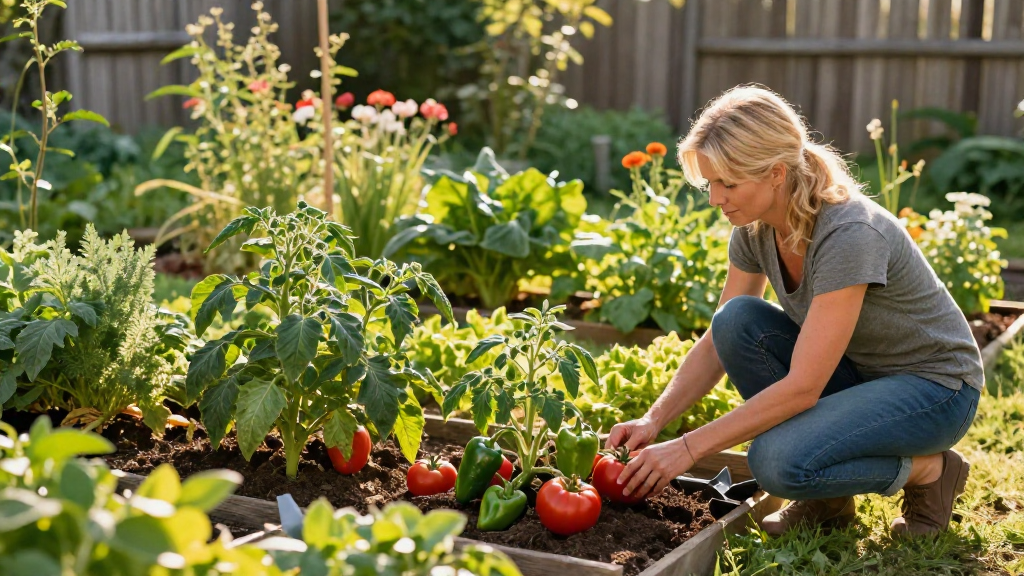
Gardening is a rewarding and therapeutic activity, and learning how to garden organically without chemicals is an essential skill for anyone keen on cultivating a healthy and sustainable garden.
Why Choose Organic Gardening?
Choosing to garden organically means avoiding synthetic pesticides and fertilizers, promoting a healthy ecosystem while growing your own food.
But why is organic gardening so important?
1. Health Benefits
- Reduced Chemical Exposure: Conventional gardening often relies on harmful chemicals that can end up on our food.
- Nutrient-Rich Produce: Organic crops tend to be more nutrient-dense due to the focus on natural soils and ecosystems.
2. Environmental Sustainability
- Soil Health: Organic practices improve soil health by promoting biodiversity, adding organic matter, and preventing erosion.
- Wildlife Preservation: An organic garden becomes a habitat for beneficial insects, birds, and other wildlife, enriching our ecosystem.
3. Flavor and Quality
- Taste: Many gardeners and chefs agree that organic fruits and vegetables are tastier than their chemically treated counterparts.
- Quality: Organic produce is often fresher, as it is typically grown locally and harvested at its peak.
How to Garden Organically: What Do You Need to Start?
Now that you understand the importance, let’s delve into how to garden organically.
1. Prepare Your Soil
Healthy soil is the foundation of any organic garden.
- Testing Soil: Conduct a soil test to determine pH and nutrient levels. Kits are available at local garden centers or through agricultural extensions.
- Amending Soil: Based on the test results, amend your soil with natural materials:
- Compost: Enhances soil fertility and structure.
- Manure: Provides vital nutrients (ensure it’s well-rotted).
- Mulch: Helps retain moisture and suppress weeds.
2. Choose Organic Seeds and Plants
When learning how to garden organically, it’s vital to source the right seeds and plants.
- Organic Seeds: Look for seeds labeled as “organic” from reputable suppliers.
- Heirloom Varieties: These are often more resilient to local pests and diseases.
3. Watering Practices: How Much, When, and How?
Watering is crucial to a thriving organic garden.
- Deep Watering: Encourage deep root growth by thoroughly soaking your plants rather than frequent, shallow watering.
- Timing: Water in the early morning to reduce evaporation and fungal diseases.
- Rainwater Harvesting: Consider using rain barrels to collect rainwater for an eco-friendly watering method.
4. Weeds: How to Manage Them Naturally?
Weeds can quickly overtake your organic garden, but there are several natural ways to manage them.
- Mulching: Spread organic mulch around your plants to smother weeds and retain moisture.
- Hand Pulling: Regularly inspect your garden and pull weeds by hand.
- Cover Crops: Plant cover crops during the off-season to suppress weed growth and improve soil health.
5. Pest Control: What Are Your Options?
Learning how to garden organically also involves managing pests without harmful chemicals.
- Beneficial Insects:
- Ladybugs and lacewings feed on aphids.
- Parasitic wasps target various pests.
- Natural Sprays: Use homemade remedies, such as:
- Neem Oil: Works against many soft-bodied insects.
- Garlic Spray: Deters a variety of pests.
6. Fertilizers: What Should You Use?
Instead of synthetic fertilizers, opt for natural options to feed your plants.
- Compost Tea: Diluted compost provides nutrients and beneficial microorganisms.
- Fish Emulsion: A quick-release organic fertilizer rich in nitrogen.
- Bone Meal: Offers a source of phosphorous to promote flowering and root growth.
How to Maintain Your Organic Garden?
Once your garden is planted, maintenance becomes key to long-term success.
1. Regular Monitoring
Keep an eye on your plants for any issues.
- Pest Damage: Look for signs of pest infestations and act quickly.
- Plant Health: Catching nutrient deficiencies early can help you resolve them before they become severe.
2. Rotate Your Crops
Crop rotation helps maintain soil health and prevents pest build-up.
- Plan Your Layout: Rotate your crops each season to reduce soil-borne diseases.
- Pairing Plants: Consider companion planting, where certain plants benefit from being grown together.
3. Seasonal Maintenance
As the seasons change, so do your garden’s needs.
- Autumn: Rake fallen leaves and add them to your compost.
- Spring: Begin planting cool-weather crops like peas and lettuce.
How to Sustain Organic Practices Year-Round?
Being an organic gardener is an ongoing journey. Here’s how to maintain your commitment throughout the year.
1. Education
Staying updated on organic gardening methods is fundamental.
- Read Books: There are many well-regarded texts on organic gardening you can explore.
- Online Courses: Websites and organizations often offer free resources.
2. Community Involvement
Engaging with a like-minded community can enhance your skills.
- Join Local Gardening Clubs: Share experiences and learn from others.
- Attend Workshops: Participate in workshops and seminars focusing on organic gardening techniques.
3. Embrace Permaculture Principles
Permaculture focuses on designing agricultural systems that mimic natural ecosystems.
- Observe Nature: Understand how organic processes work in the wild and implement them in your garden.
- Cultivate Diversity: Plant a variety of species to promote a balanced ecosystem.
Conclusion: Enjoy the Fruits of Your Labor!
Learning how to garden organically without chemicals is a fulfilling journey that promotes health, sustainability, and biodiversity.
By following the tips in this article, you can create a thriving organic garden that benefits both you and the environment.
The effort you invest will not only yield delicious, chemical-free produce but also provide a sanctuary of beauty and life in your backyard.
So grab your tools, get your hands dirty, and embrace the joys of organic gardening today!