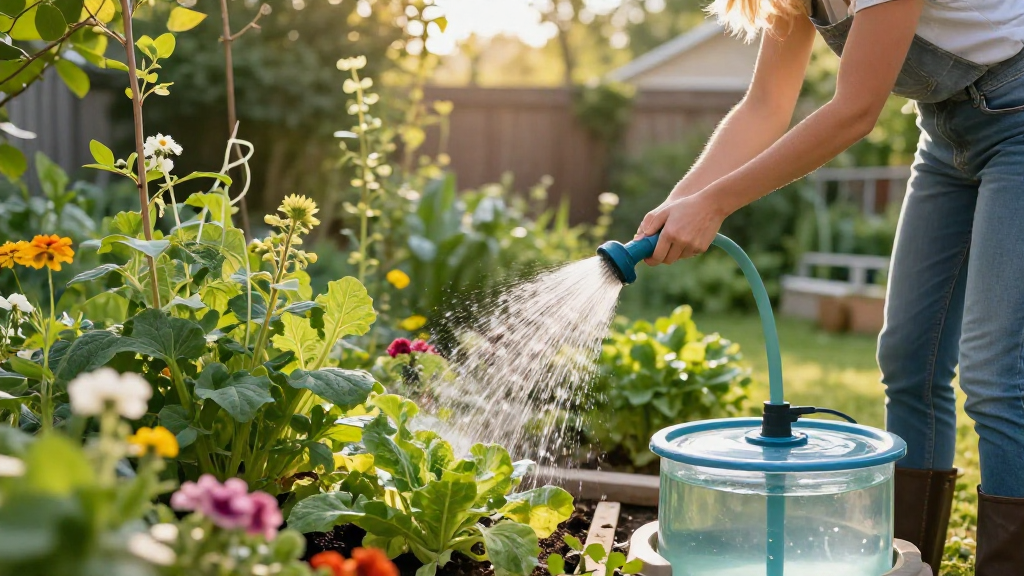
If you’re looking to irrigate your garden sustainably, understanding how to garden with greywater is essential.
What is Greywater?
Greywater is wastewater generated from household activities like laundry, dishwashing, and bathing, excluding toilet waste.
It’s typically much cleaner than blackwater (which includes toilet waste) and can be a valuable resource for your garden when used safely.
Why Should You Use Greywater?
Using greywater in your garden offers several benefits:
-
Conservation of Water: With increasing water scarcity, greywater helps reduce your dependency on freshwater sources.
-
Nutrient Recycling: Greywater can contain nutrients that benefit plant growth, such as phosphorus and potassium.
-
Cost-Effective: Using greywater can lower your water bill, especially in areas with high utility costs for fresh water.
How to Garden with Greywater: What You Need to Know
So, how can you safely use greywater in your gardening practices? Here are some guidelines to follow:
Is Your Greywater Safe to Use?
Not all greywater is created equal.
Before utilizing it in your garden, determine if it’s safe based on the source and its content.
Consider these factors:
-
Source of Greywater: Water from kitchen sinks may contain fats and oils, while water from showers or washing machines tends to be safer.
-
Detergents and Chemicals: Check the labels of products you use. Avoid using greywater containing harmful chemicals, particularly sodium, boron, and chlorinated compounds.
-
Plant Types: Not all plants will react positively to greywater. Edible plants, such as fruits and vegetables, may absorb harmful substances. Stick to ornamental plants unless you’re confident in the safety of your greywater.
How Do You Collect Greywater?
Learning how to garden with greywater requires an effective collection system. Here are some methods:
-
Buckets: The simplest method for collecting greywater is using buckets. This may involve manual labor but is effective for small amounts of water.
-
Laundry-to-Landscape Systems: A more permanent solution can be set up by directing wastewater from your washing machine straight to your garden. This involves some plumbing knowledge but can be incredibly efficient.
-
Greywater Diverters: You can also install diverters that automatically route greywater to your garden instead of the sewer.
What Equipment Do You Need for Greywater Use?
If you want to make the best use of greywater in your garden, consider investing in a few essential tools:
-
Greywater Storage Tanks: If you intend to reuse greywater over a few days, look into tanks designed for this purpose.
-
Drip Irrigation Systems: These systems provide a slow, steady supply of water right to the roots of your plants, minimizing evaporation and maximizing efficiency.
-
Pre-Filtering Systems: It’s wise to filter out larger particles to prevent clogging your irrigation systems. Use mesh screens or gravel filters for this purpose.
How Do You Apply Greywater to Your Garden?
Understanding how to garden with greywater means knowing when and how to apply it effectively:
-
Timing: Apply greywater during the cooler parts of the day (early morning or late afternoon) to minimize evaporation.
-
Dilution: Consider diluting your greywater with fresh water, especially if you’re using water with high detergent levels.
-
Soil Absorption: Greywater should be applied directly to the soil and avoided on leaves to prevent potential problems like algae growth.
What Plants Are Best for Greywater Irrigation?
Not every plant thrives on greywater. Here’s a list of plants that generally do well with greywater irrigation:
-
Non-Culinary Plants: Ornamental plants, hedges, and shrubs often handle greywater better than food-producing plants.
-
Drought-Tolerant Species: Plants native to arid areas are usually more resilient and can benefit from recycled water.
-
Deep-Rooted Vegetables: Some deep-rooted crops may tolerate greywater if the source is from safe household activities.
Are There Risks Associated with Greywater?
While greywater is a fabulous resource, there are risks associated with its use:
-
Health Risks: Pathogens from greywater can pose health risks if not managed properly. Stick to safe sources and methods.
-
Soil Contamination: High salt or chemical content in greywater can lead to soil degradation over time.
-
Regulatory Concerns: Check local regulations regarding greywater use. Some regions have specific guidelines to follow.
How Do You Maintain Your Greywater System?
Proper maintenance ensures your greywater system functions effectively:
-
Regular Cleaning: Clean filters and irrigation lines to prevent blockages and build-up.
-
Monitoring Plant Health: Keep an eye on your plants. If they show signs of distress or poor growth, reassess the greywater quality being used.
-
Adapting as Needed: Be flexible and willing to adapt your greywater irrigation based on seasonal changes or plant needs.
Conclusion: Embrace Greywater Gardening Safely
Knowing how to garden with greywater can turn what was once waste into a sustainable resource for your green space.
By understanding the types of greywater, safe collection methods, and best practices for irrigation, you can create a flourishing garden while minimizing your environmental footprint.
As you begin to implement greywater systems in your gardening practices, remember to always prioritize safety for yourself and your plants.
With the proper care and consideration, greywater gardening can be a rewarding way to contribute to sustainable living.