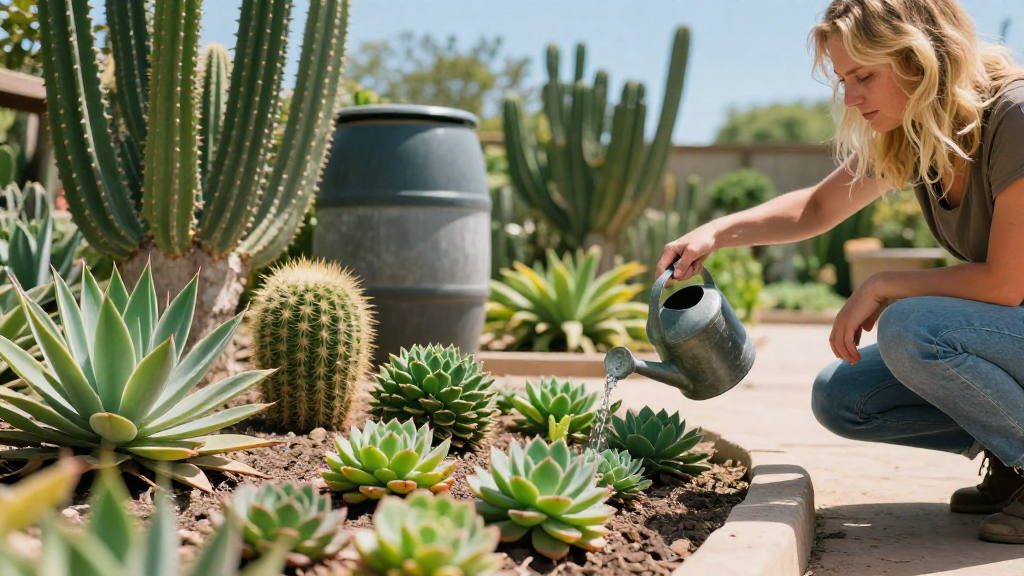
In a world where water scarcity is becoming a growing concern, knowing how to garden with limited water is essential for sustainable gardening practices. This article will provide valuable insights into techniques that conserve water while ensuring a flourishing garden.
What Techniques Can You Use for Efficient Water Use?
When you want to learn how to garden with limited water, you must understand various methods to optimize your water resources. Here are some effective techniques:
-
Mulching
Applying a thick layer of mulch around your plants can reduce water evaporation from the soil. It also helps suppress weeds that compete for water.
– Organic Mulch: Made from bark, straw, or grass clippings.
– Inorganic Mulch: Includes stones or synthetic materials. -
Drip Irrigation
This system delivers water directly to the plant roots, minimizing waste.
– Soaker Hoses: These can be placed directly in the soil to allow slow, even watering.
– Micro-irrigation Systems: These are suitable for larger gardens. -
Rainwater Harvesting
Collecting and storing rainwater can significantly reduce reliance on municipal supplies.
– Use barrels or cisterns to collect rainwater from your roof.
– Set up a filtration system to keep the water clean for gardening use. -
Plant Selection
Choosing drought-resistant plants can dramatically affect your garden’s water needs.
– Native Plants: These are adapted to your local environment and require less water.
– Perennials over Annuals: Perennials are established plants that generally need less water after their first year.
How Can You Improve Soil Quality for Better Water Retention?
The type of soil you have can impact how to garden with limited water effectively. Improving soil quality will enhance its water retention capabilities. Consider these methods:
-
Organic Matter Addition
Incorporating compost or well-rotted manure into your planting beds can improve soil structure and water retention. -
Soil Testing
Perform a soil test to determine its pH and nutrient levels. This will allow you to amend your soil for optimal plant growth.
– Adjust soil with compost or specific fertilizers based on test results. -
Soil Aeration
Aerating compacted soil enhances root growth and allows for better water absorption.
– Use a garden fork or a mechanical aerator to loosen the soil.
What Gardening Practices Help Reduce Water Loss?
Adopting particular gardening practices is crucial in learning how to garden with limited water. These practices can help reduce overall water consumption:
-
Watering Schedule
Watering early in the morning or late in the evening can benefit your garden.
– This minimizes evaporation and allows water to reach plant roots effectively. -
Deep Watering Techniques
Instead of frequent shallow watering, aim for deep irrigation sessions.
– This encourages deeper root growth and improves drought resistance. -
Group Installation of Plants
Place plants with similar watering needs together.
– This helps in targeting your watering efforts and conserving moisture. -
Cover the Soil
A dry top layer acts as a barrier against evaporation, so avoid disturbing topsoil unnecessarily.
– Consider minimal tillage practices to retain moisture.
Can You Design Your Water-Efficient Garden?
When you consider how to garden with limited water, designing your garden layout can significantly impact efficiency. Here are some tips on garden design:
-
Zoning Plants by Water Needs
Divide your garden into zones based on the specific water needs of the plants.
– High water usage plants can be placed in shaded areas.
– Drought-resistant plants should be planted on the sunniest side. -
Incorporate Paths and Patios
Use pathways and hardscapes to limit areas that require watering.
– This allows you to focus resources where they are needed most. -
Create Contoured Beds
Contouring garden beds can help retain water.
– This method allows water to pool at the plant’s root zone, making the most of limited water resources. -
Sensory Gardens
Designing a sensory garden that includes textures and scents can also attract pollinators and beneficial insects without high water needs.
– Use low-water flora to enhance sensory experiences without overusing resources.
What Tools Can Assist in Water Conservation?
Investing in the right tools can make a significant difference in how to garden with limited water. Here are some essential tools to consider:
-
Water Timers
Automatic timers can schedule watering based on the season and plant needs.
– This ensures optimized water usage. -
Rain Gauges
By measuring rainfall, you can adjust your watering schedule accordingly.
– This helps prevent overwatering. -
Soil Moisture Meters
Using a soil moisture meter will inform you when it’s time to water.
– This prevents unnecessary watering and ensures healthy soil moisture levels. -
Watering Cans and Buckets
These classic tools are efficient for targeted watering of specific plants.
– They offer control and minimize water waste.
How Can You Sustain Your Water-Efficient Garden Long-Term?
Sustaining a garden that thrives with limited water requires ongoing effort. Here are some ways to ensure your garden remains sustainable in the long run:
-
Regular Maintenance
Check for leaks in irrigation systems and replace damaged hoses or connectors.
– This will keep your garden watering systems efficient. -
Seeding a Cover Crop
Cover crops protect the soil and enhance its structure.
– They help in regulating moisture and nutrients throughout the year. -
Create a Gardening Community
Share resources and knowledge with neighbors on water conservation techniques.
– Community gardening initiatives can further reinforce sustainable practices. -
Observe and Adapt
Regularly assess plants for health and water needs. Adjust strategies based on your observations.
– Keeping a journal to record rainfall, watering schedules, and plant responses will help you adapt your approach.
Conclusion
Incorporating these strategies will empower you with the knowledge on how to garden with limited water while achieving a vibrant and sustainable landscape. With mindful practices, proper planning, and the right tools, you can contribute to water conservation while enjoying the beauty of your garden.
Explore these methods and adapt them to your unique gardening circumstances, proving that with determination, even limited resources can yield bountiful results!