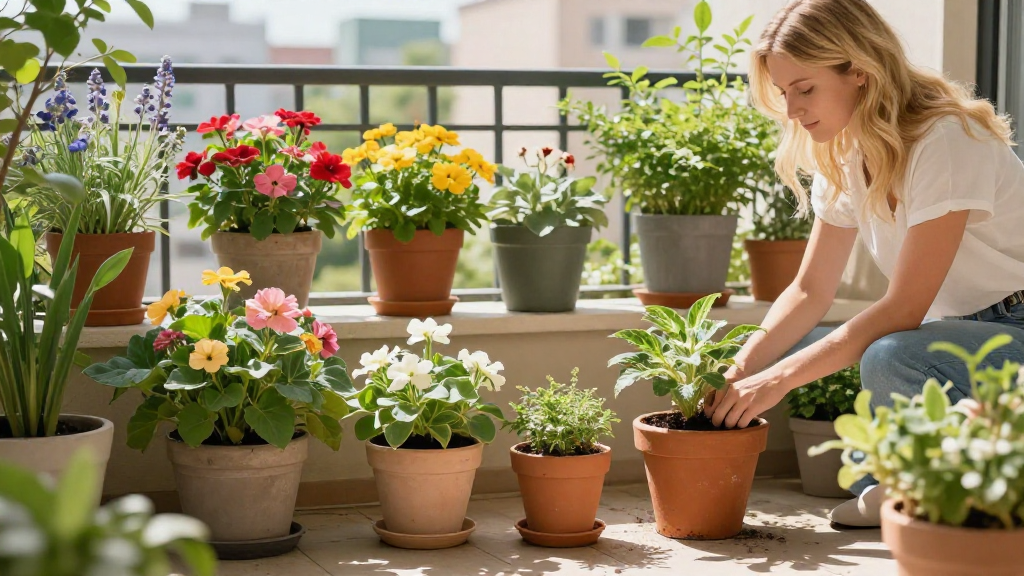
If you’ve ever asked yourself how to garden without a yard, you’re not alone. Many people living in apartments, condos, or houses without an outdoor space still wish to cultivate their own plants.
In this article, we’ll explore the ins and outs of container gardening, revealing how you can enjoy the benefits of gardening without a traditional yard. From choosing the right pots to selecting plants and maintaining your container garden, you’ll learn everything you need to get started.
What Is Container Gardening?
Container gardening, also known as pot gardening, involves growing plants in pots or containers rather than in the ground. This method is perfect for individuals without yards, as it allows for flexibility and creativity in both plant selection and placement.
The great news is that you don’t need a large outdoor area to enjoy gardening. Here are some advantages:
- Space Efficiency: Perfect for small apartments or balconies.
- Mobility: You can move the pots as needed for sun or shelter.
- Design Flexibility: Create a unique display tailored to your style.
Now that we’ve covered the basics, let’s delve into how to garden without a yard using pots.
What Supplies Do You Need to Start Container Gardening?
To successfully garden without a yard, you’ll need a few essential supplies:
-
Pots or Containers
– Materials can include terracotta, plastic, or ceramic.
– Ensure proper drainage to prevent overwatering. -
Potting Soil
– Use high-quality potting mix designed for container gardens.
– Look for mixes that retain moisture but still allow drainage. -
Plants or Seeds
– Choose plants suitable for container growing.
– Herbs, small vegetables, and flowers are great options. -
Watering Can or Hose
– Make sure your watering tool is easy to manage. -
Fertilizer
– Use a slow-release fertilizer or organic options tailored for container use.
Which Plants Are Best for Container Gardening?
When figuring out how to garden without a yard, plant selection plays a critical role. Here are some categories of plants that do particularly well in pots:
1. Herbs
Herbs are ideal for container gardening because they don’t require much space and can thrive in smaller pots. Some excellent choices include:
– Basil
– Parsley
– Mint
– Cilantro
2. Vegetables
You can grow a variety of vegetables in pots, provided the container is large enough. Some popular choices are:
– Cherry tomatoes
– Peppers
– Lettuce
– Radishes
3. Flowers
Flowers add color and beauty to your living space. Consider these flowering plants for your container garden:
– Petunias
– Marigolds
– Geraniums
– Impatiens
How Can You Optimize Your Pot Placement?
Without a garden, placement becomes even more critical. Here’s how to figure out where to put your pots for the best results:
- Assess Sunlight: Most vegetables and flowering plants need 6-8 hours of sunlight per day.
- Use Vertical Space: Consider using shelves or plant stands to maximize space.
- Create a Focal Point: Arrange your containers to draw attention to a specific area, like a balcony or patio.
Pro Tip:
If outdoor sunlight is limited, you can consider using grow lights indoors. They’re a fantastic way to ensure your plants receive the light they need.
How to Water Your Container Garden?
Watering requirements can differ significantly for container gardening. Here are some key considerations:
- Check Soil Moisture: Always check the top inch of soil before watering. If it feels dry, it’s time to water.
- Water Thoroughly: Make sure water flows out of the drainage holes to ensure all roots receive hydration.
- Adjust Based on Weather: On hotter days, container plants may need more water, while shady or cooler spots may require less.
A Simple Watering Schedule:
- Daily Checks: Inspect your pots daily, especially during hot days.
- Weekly Deep Watering: Once a week, water deeply, ensuring moisture reaches the bottom of the pot.
Should You Use Fertilizer?
Fertilization is crucial in container gardening because nutrient levels can decline quickly in pots. Here’s how to fertilize effectively:
- Start with Quality Potting Mix: Good mixes often contain nutrients; you may not need to fertilize immediately.
- Choose the Right Fertilizer: Use a balanced fertilizer suited for container plants, applying it every 4-6 weeks during the growing season.
- Monitor Plant Health: If leaves become yellow or growth slows, it may be time to adjust your fertilization routine.
How Can You Deal with Pests and Diseases?
Even a small container garden can fall victim to pests or diseases. Here are some natural solutions:
- Keep Things Clean: Remove dead leaves and debris to deter pests.
- Use Neem Oil: This natural insecticide can help eliminate common pests.
- Companion Planting: Some plants naturally repel pests, so strategically place them. For example, marigolds can help deter aphids.
Can You Extend the Growing Season?
If you want to maximize your time gardening without a yard, consider these tips for extending your growing season:
- Start Indoors: Begin growing seeds indoors before the last frost, then transplant them outside.
- Use Cloches or Row Covers: These can protect plants from chilly nights or early frosts.
- Choose Perennial Plants: Certain herbs and flowers can come back year after year, minimizing replanting.
Summary: How to Garden Without a Yard
In conclusion, learning how to garden without a yard using pots is not only possible but also incredibly rewarding.
With careful planning and the right materials, you can create a vibrant container garden.
From herbs to vegetables and flowers, the options are endless.
By following these tips and techniques, you can enjoy the therapeutic benefits of gardening right from your balcony, patio, or even inside your home.
So roll up your sleeves, gather your supplies, and start your container gardening journey today! Happy gardening!