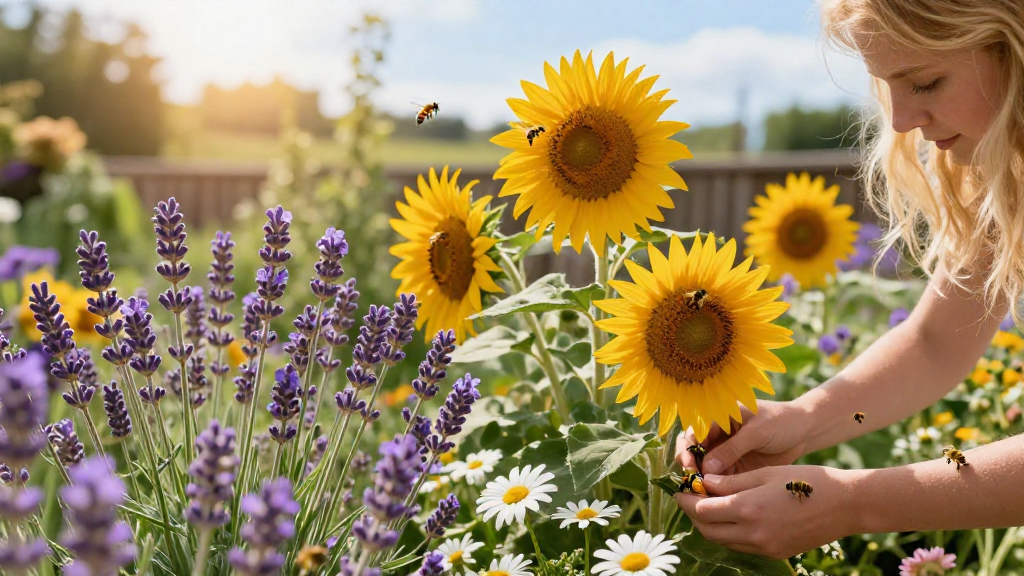
Are you interested in how to grow a bee-friendly garden that not only attracts these important pollinators but also enriches your outdoor space?
Creating a bee-friendly garden is not only beneficial for the environment but also adds beauty and diversity to your home. In this article, we will explore various techniques, plants, and design elements to help you successfully create a haven for bees.
What Are the Benefits of a Bee-Friendly Garden?
Growing a bee-friendly garden has numerous advantages. Here are some key benefits:
-
Increased Pollination: Bees play a vital role in pollinating many crops and flowers.
-
Biodiversity Encouragement: By attracting bees, you also support a host of other wildlife, such as birds and butterflies.
-
Improved Plant Health: Pollination enhances the health and yield of your plants.
-
Environmental Impact: A bee-friendly garden contributes to the conservation of bee populations, which have been declining in recent years.
What Plants Attract Bees?
One of the most important aspects of how to grow a bee-friendly garden is selecting the right plants. Here’s a list of bee-friendly flowers that can enhance your garden:
-
Lavender: This fragrant herb blooms for long periods, providing a plentiful food source for bees.
-
Echinacea (Coneflower): Attracts a variety of pollinators with its vibrant colors and sturdy structure.
-
Sunflowers: Their large blooms are filled with pollen, making them irresistible to bees.
-
Bee Balm: As its name suggests, bee balm is a favorite among bees and attracts other pollinators too.
-
Milkweed: Besides attracting bees, it is the host plant for monarch butterflies.
To maximize the effectiveness of your garden, consider planting both perennials and annuals, as well as incorporating plants that flower at different times throughout the growing season.
How to Create a Suitable Habitat for Bees?
Creating a suitable habitat is crucial for your bee-friendly garden. Here are some tips on how to do this:
-
Choose Native Plants: Native plants are usually better suited for local pollinators. They thrive in their natural environment and require less maintenance.
-
Create Nesting Sites:
– Leave some areas of bare soil as ground nesting sites for solitary bees.
– Consider installing bee hotels or bundles of twigs to accommodate cavity-nesting bees. -
Avoid Pesticides: Pesticides can be harmful to bees.
– Opt for organic farming practices, and if pest control is necessary, choose natural alternatives. -
Provide Water Sources: Bees need water to survive.
– Create shallow water dishes with pebbles where bees can land without drowning. -
Create a Diverse Ecosystem: Incorporate a variety of plants, shrubs, and trees. A diverse ecosystem attracts a broad range of bee species.
What Are the Best Practices for Maintaining Your Bee-Friendly Garden?
Maintaining a bee-friendly garden requires some dedication. Here are some best practices to ensure your garden thrives:
-
Monitor Pollinator Activity: Observe the pollinators in your garden to understand which plants are most attractive to them.
-
Deadhead Flowers: Remove spent blooms to encourage new growth and prolong the blooming period.
-
Mulch Wisely: Use organic mulch that allows for easy access to the soil for ground-nesting bees.
-
Rotate Crops: Practicing crop rotation can help prevent soil depletion and encourage healthy pollinator activity.
-
Educate Yourself: Stay informed about the needs of local bee populations and adapt your gardening techniques accordingly.
How Can You Make Your Garden More Inviting for Bees?
To further enhance your garden’s bee-friendliness, consider these elements:
- Design for Accessibility: Ensure that flowers are easily accessible.
-
Cluster plants together for easier navigation.
-
Eliminate Invasive Species: Invasive plants can outcompete native flora. Remove them to create room for beneficial plants.
-
Add Flowering Herbs: In addition to ornamental plants, consider growing herbs like thyme, oregano, and rosemary. They attract bees and are useful in the kitchen.
-
Create a Bee-Friendly Area: Set aside a particular section of your garden dedicated entirely to bee-friendly plants.
-
Engage Your Community: Share your knowledge about how to grow a bee-friendly garden with neighbors, and encourage them to do the same!
How Can You Teach Others About Bees?
Education plays a vital role in protecting bee populations. Here are some ways to promote bee awareness:
-
Host Workshops: Organize local workshops to teach community members about the importance of bees and how to create their own bee-friendly gardens.
-
Create Informational Signage: If your garden is visible to the public, consider putting signs that educate passersby about the benefits of bees and the plants within your garden.
-
Share on Social Media: Use platforms like Instagram or Facebook to showcase your garden and share tips on how to grow a bee-friendly garden.
-
Collaborate with Local Schools: Partnering with schools can help educate the next generation about the importance of bees and gardening.
Why Is It Important to Support Bee Populations?
Bees are invaluable to our ecosystems and agriculture. Here’s why supporting them is crucial:
-
They pollinate over 75% of the world’s flowering plants, adding diversity to our flora.
-
Many farmers rely on bee pollination for the production of fruits and vegetables. Without them, crop yields would dramatically decrease.
-
The decline of bee populations can lead to ecological imbalances, affecting not only plants but also animals that depend on those plants.
Creating a bee-friendly garden is beneficial for everyone.
By following the guidelines outlined in this article, you can contribute positively to the environment and support vital bee populations.
So what are you waiting for? Start your journey on how to grow a bee-friendly garden today, and enjoy the marvel of nature buzzing in your backyard!