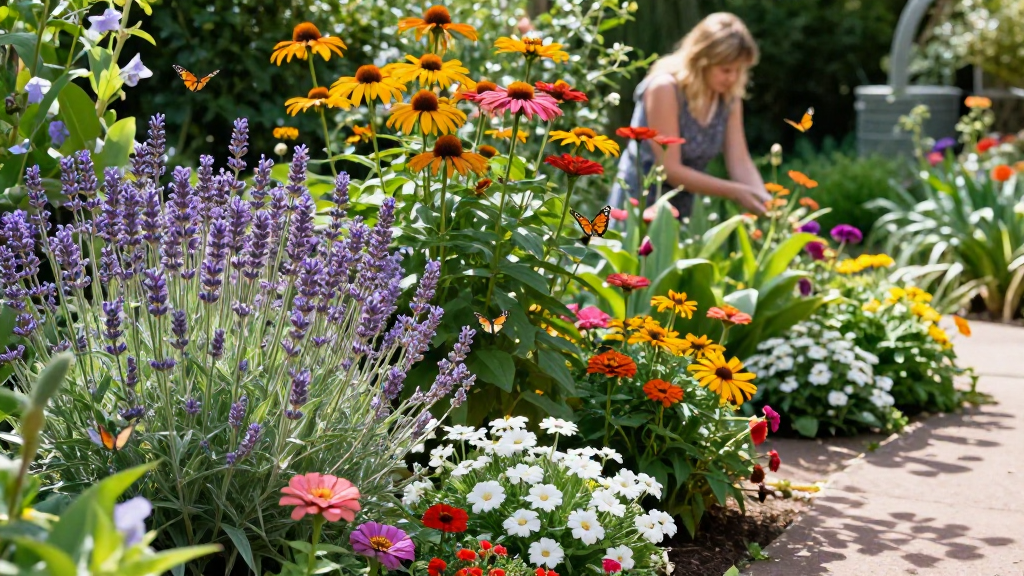
Are you looking to attract beautiful butterflies to your garden? In this article, we will explore how to grow a butterfly garden that thrives, ensuring you create a vibrant habitat for these delightful creatures.
What Do Butterflies Need to Thrive?
To successfully learn how to grow a butterfly garden, you first need to understand the requirements of butterflies. Their needs can be broadly categorized into food and shelter.
Food Sources
-
Nectar Plants: Butterflies feed on nectar, so it’s crucial to include a variety of nectar-producing plants in your garden. These can include:
– Buddleja (Butterfly Bush)
– Lantana
– Coneflower
– Milkweed
– Zinnia
– Aster -
Host Plants: These plants are essential for caterpillars, providing the necessary nutrition for their growth. Common host plants are:
– Milkweed (for Monarchs)
– Parsley, dill, and fennel (for Swallowtails)
– Hops (for the Hops Swallowtail) -
Water Sources: Butterflies also need water but often get it from puddles. Consider creating a shallow dish or birdbath filled with stones to provide a safe drinking area.
Shelter
Maintaining a safe environment is crucial for butterflies. Providing sheltered spots can protect them from predators and harsh weather. Here’s how to provide better shelter:
- Dense Shrubs: Plant them around the edges of your butterfly garden to create a haven.
- Open Areas: Butterflies prefer sunny spots, so ensure you have open areas for them to bask.
- Natural Debris: Adding logs, rocks, or leaf piles can offer shelter for caterpillars and chrysalis.
How Do You Choose the Right Location for Your Butterfly Garden?
Choosing the right location is one of the fundamental steps in learning how to grow a butterfly garden. Here are some tips for selecting the perfect spot:
-
Sunlight: Most butterfly species thrive in sunny environments. Aim for a location that receives at least 6 hours of sunlight a day.
-
Wind Protection: Avoid windy areas as strong winds can deter butterflies. Use fences, walls, or trees to block excess wind.
-
Diverse Planting: Plan for a mix of plants that bloom at different times. This will ensure a continuous food source throughout the growing season.
-
Accessibility: Make sure the garden is accessible for maintenance and observation.
What Plants Should You Include in Your Butterfly Garden?
To execute your plan—how to grow a butterfly garden—incorporate a diverse selection of plants. Here are some must-have options:
Native Plants
Native plants are generally the best choice since they are adapted to the local climate and soil conditions. Examples include:
- Purple Coneflower (Echinacea purpurea)
- Black-eyed Susan (Rudbeckia hirta)
- Milkweed (Asclepias spp.)
Fruit-bearing Plants
These not only attract butterflies but also provide food for other wildlife. Opt for:
- Berry bushes, such as blackberry and raspberry
- Fruit trees, like apple or plum
Herbs
Herbs are beneficial as they attract butterflies while adding scents and flavors to your garden:
- Basil
- Thyme
- Lavender
When is the Best Time to Plant Your Butterfly Garden?
Timing is key when learning how to grow a butterfly garden. Here’s a simple planting timeline to follow:
Spring Planting
- Early Spring (March to April): Start sowing seeds of annuals and perennial flowers.
- Late Spring (May): Transplant young plants from pots into the ground after the last frost.
Summer Maintenance
- Continue planting and ensuring that your flowers are blooming.
- Fertilize as needed, but be cautious of chemicals that can harm butterflies.
Fall Preparations
- Cut back dead plants to the ground as they die.
- Leave your butterfly garden’s native plants intact over the winter to provide shelter for butterflies.
Winterizing
- Avoid over-cleaning! Leave some sticks and dried flowers for shelter.
- Consider planting native evergreen shrubs they can use as protection.
How Can You Create a Maintenance Routine?
Learning how to grow a butterfly garden is only half the journey; maintenance is essential to ensure your butterflies continue to thrive. A simple routine includes:
-
Watering: Ensure the plants remain hydrated, especially during dry spells.
-
Weeding: Regularly check for weeds that can suffocate or compete for nutrients with your butterfly-attracting plants.
-
Observing: Take time to sit and observe. Note which plants attract butterflies and caterpillars the most.
-
Pest Control: Use organic methods to manage pests, such as introducing beneficial insects or using soap solutions.
How to Attract More Butterflies to Your Garden?
Once your garden is established, you can take additional steps to attract more butterflies:
Add a Butterfly Feeder
- DIY Butterfly Feeder: Make a simple feeder with a sponge soaked in a sugar-water solution. Replace it regularly to keep it fresh.
Create a Butterfly-Friendly Environment
- Plant flowers in groups instead of single plants, as butterflies are more likely to visit clustered flowers.
- Avoid using pesticides and herbicides, as these can be toxic to butterflies.
Host events or workshops:
Share your butterfly gardening experience with friends or neighbors. This creates a community that values local biodiversity!
Conclusion
In summary, mastering how to grow a butterfly garden that thrives is not just a gardening project; it is a commitment to nature.
By choosing the right plants, providing essential resources, and maintaining your garden with care, you can create a joyous sanctuary for butterflies and other wildlife!
Start your butterfly garden today, and marvel at the vivid colors and mesmerizing patterns that these lovely creatures bring to your space. Happy gardening!