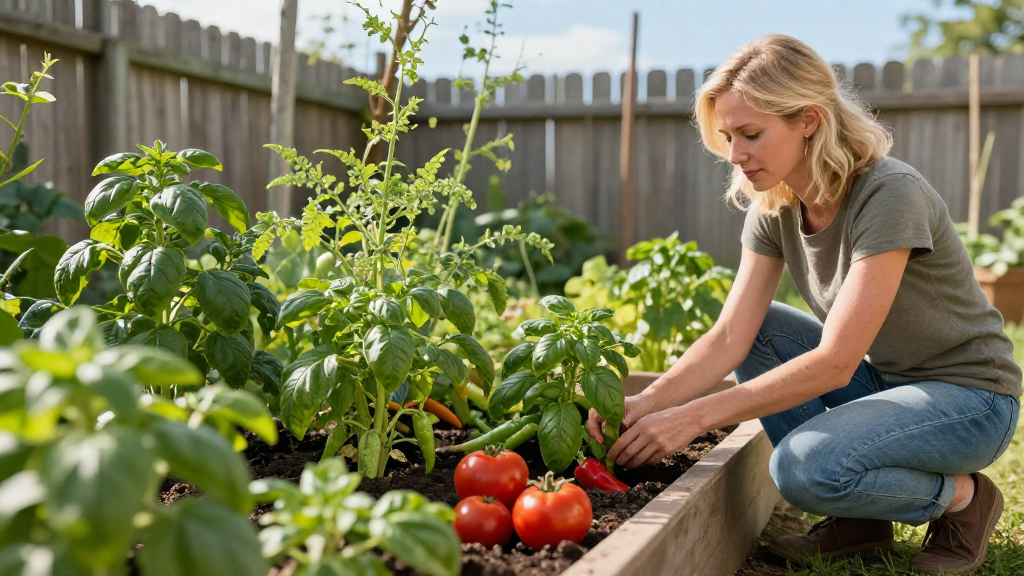
If you’re interested in how to grow a kitchen garden, you’ve come to the right place. In this article, we will guide you through the essential steps to cultivate a small space where you can grow your own fresh produce.
What is a Kitchen Garden?
A kitchen garden, also known as a vegetable garden or potager, is a space—either in your backyard or indoors—where you can cultivate herbs, vegetables, and fruits for your culinary use.
Not only does this provide you with fresh ingredients, but it also offers numerous benefits such as cost savings, environmental sustainability, and personal satisfaction from growing your own food.
Where Should You Start?
Understanding how to grow a kitchen garden begins with choosing the right location.
Here are some essential considerations:
- Sunlight: Most vegetables need 6 to 8 hours of direct sunlight daily.
- Soil Quality: Rich, well-draining soil is crucial. You can improve soil health by adding compost.
- Accessibility: Make sure it’s easy to reach your garden to tend to it and harvest effectively.
- Watering Source: Proximity to a water source will simplify irrigation.
What Should You Plant?
To successfully learn how to grow a kitchen garden, you need to choose the right plants based on your preferences, climate, and space available.
Consider planting:
- Herbs: Basil, parsley, cilantro, and mint are great starter herbs that can be used in numerous dishes.
- Vegetables: Tomatoes, peppers, spinach, and lettuce are rewarding choices that tend to flourish if cared for properly.
- Fruits: Strawberries and dwarf varieties of fruit trees can add joy to your garden and are a delicious way to enjoy fresh produce.
Seasonal Planting Tips
Understanding the growing season in your area is vital. Here’s a quick breakdown of when to plant some common kitchen garden crops:
- Spring:
- Lettuce
- Radishes
- Peas
- Summer:
- Tomatoes
- Peppers
- Cucumbers
- Fall:
- Kale
- Carrots
- Beets
What if You Have Limited Space?
Even if you have minimal outdoor space, you can still learn how to grow a kitchen garden effectively. Here are some tips for maximizing small spaces:
- Container Gardening: Use pots, window boxes, or hanging baskets.
- Vertical Gardening: Install trellises or wall-mounted planters to grow climbing plants like peas and cucumbers.
- Raised Beds: Building raised beds can optimize soil quality and drainage.
How Do You Prepare the Soil?
Soil preparation is a critical step in how to grow a kitchen garden.
Here’s how to prepare it:
- Clear the Area: Remove any weeds, rocks, or debris from the soil.
- Test the Soil: Conduct a soil test to assess pH and nutrient levels.
- Amend the Soil: Based on the testing results, mix in:
- Compost: Improves soil fertility.
- Organic Fertilizers: Enhances nutrient availability.
- Tilling: Loosen the soil to allow roots to spread easily.
How Should You Water Your Garden?
Proper watering practices are essential for the success of your kitchen garden. Learn how to grow a kitchen garden by understanding the necessity for balance:
- Consistency is Key: Aim for deep watering at least once a week.
- Monitoring Soil Moisture: Check the top inch of soil. If it feels dry, it’s time to water.
- Time of Day: Early morning is the best time to water your plants.
How Do You Manage Pests Naturally?
It’s crucial to protect your kitchen garden from pests without relying on chemicals. Here’s how:
- Companion Planting: Some plants can repel pests when grown together. For instance, marigolds can deter nematodes.
- Natural Predators: Encourage beneficial insects like ladybugs and lacewings that eat harmful pests.
- Homemade Sprays: Use solutions like soap and water or neem oil to address infestations.
When Should You Harvest?
Once your plants are established, it’s important to know when to harvest them.
Here are some tips:
- Vegetables: Pick them regularly to encourage growth. For example, harvesting beans early can lead to more production.
- Fruits: Wait until they’re fully colored and firm to the touch.
- Herbs: Regularly trim back herbs to promote bushier growth.
Can You Expand Your Kitchen Garden?
As you become more experienced, you might want to expand your garden. Additionally, learning how to grow a kitchen garden can lead to a rewarding hobby or even a sustainable lifestyle.
Consider Adding:
- New Varieties: Try growing heirloom tomatoes or exotic herbs to diversify your harvest.
- Crop Rotation: Changing what you plant each season can improve soil health and reduce pest issues.
- Companion Crops: Incorporating these can allow for greater biodiversity and yield.
What Are the Benefits of a Kitchen Garden?
Growing your own kitchen garden comes with numerous advantages:
- Fresh Produce: Enjoy the freshest ingredients straight from your garden.
- Cost Savings: Reducing grocery bills is a major benefit, especially during peak growing seasons.
- Health Benefits: Fresh fruits and vegetables are vital for a healthy diet.
- Mental Well-being: Gardening is known to reduce stress and improve mood.
Conclusion
Now that you understand how to grow a kitchen garden, it’s time to get your hands dirty!
Start small, choose the right plants, and enjoy the yield of your hard work.
With each season, you’ll gain experience and perhaps even a bit of wisdom regarding your green thumb.
Growing your own food not only enriches your meals but also contributes to a more sustainable lifestyle. So gather your tools, plan your planting, and let your kitchen garden flourish!