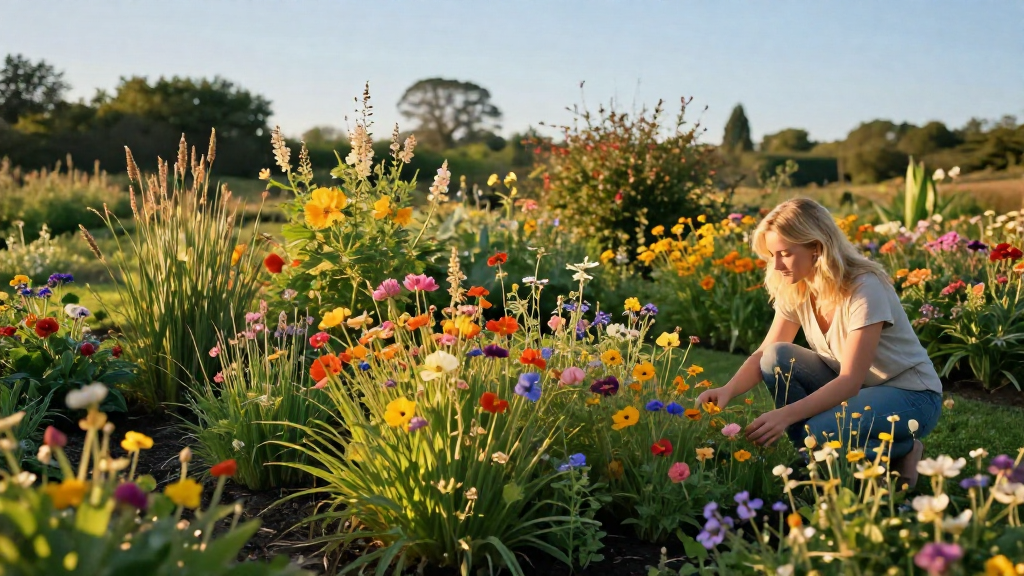
Growing a native plant garden not only enhances the beauty of your landscape but also supports local ecosystems.
What Does it Mean to Grow a Native Plant Garden?
When asking how to grow a native plant garden, it’s essential to understand what “native” means. Native plants are species that naturally occur in your region.
They are well-adapted to local environmental conditions, requiring less water and maintenance than non-native plants.
By incorporating native flora, you’re helping to sustain the local wildlife, including birds, butterflies, and beneficial insects.
Why Choose Native Plants for Your Garden?
Choosing native plants has numerous benefits:
- Ecosystem Support: Native plants support local pollinators and wildlife.
- Low Maintenance: These plants are acclimated to local weather conditions, thus requiring less irrigation and care.
- Drought Resistance: Many native plants thrive in dry conditions, making them ideal for areas facing water restrictions.
- Soil Health: Native plants can improve soil quality and promote a healthy ecosystem.
- Aesthetic Diversity: A native garden provides a unique and diverse look, showcasing plants that reflect the beauty of your region.
How Do You Start A Native Plant Garden?
If you’re ready to learn how to grow a native plant garden, follow these simple steps to get started:
1. Research Your Local Area
Start by discovering which native plants thrive in your local environment.
Local natural history museums, universities, or gardening clubs can be excellent resources for this information.
Look for these important factors:
- Climate zone: Check the USDA Plant Hardiness Zone Map.
- Soil type: Determine whether you have sandy, clay, or loamy soil.
- Local rainfall: Assess average rainfall in your area to plan appropriate watering strategies.
2. Identify the Right Plants
Ask yourself these questions:
- What attracts wildlife?
- Which plants grow well in my soil type and climate?
- Are there seasonal differences in bloom times?
Here are some popular native plants to consider:
- Wildflowers: Coneflower, Black-eyed Susan, and Purple Loosestrife.
- Grasses: Switchgrass and Little Bluestem.
- Shrubs: Serviceberry and Red Osier Dogwood.
- Trees: Oak, Maple, and Birch.
3. Design Your Garden Layout
Once you have chosen the plants, it’s time for the garden design.
Consider the following elements:
- Sunlight: Make sure to group plants based on their sunlight needs (full sun, partial shade, etc.).
- Watering: Place plants that require more moisture in lower areas or near a water source.
- Height and Spacing: Taller plants should go in the back of a border, with smaller plants in the foreground.
4. Prepare the Site
Proper site preparation is crucial for your native plant garden’s success.
Here are steps to effectively prepare the ground:
- Clear the Area: Remove any grass, weeds, or non-native plants.
- Test Your Soil: Conduct a soil test to check for nutrient levels and pH.
- Amend the Soil: Incorporate compost or organic material to improve soil quality if needed.
5. Planting Native Species
You’re now ready to plant! Follow these guidelines on how to grow a native plant garden effectively:
- Timing: Aim to plant during the spring or fall when temperatures are more moderate.
- Spacing: Refer to your design layout for spacing between plants—typically between 12 to 24 inches.
- Depth: Plant at the appropriate depth, usually where the roots meet the soil line, and avoid planting too deep.
6. Maintaining Your Native Plant Garden
While native plants are lower maintenance than others, they still need some attention, especially in the early stages.
Follow these maintenance tips to ensure a thriving garden:
- Watering: Keep an eye on moisture levels but avoid overwatering. If established, many native plants need little additional water.
- Mulching: Use organic mulch to suppress weeds and retain soil moisture.
- Weed Control: Regularly check for invasive weed species. Manual removal or targeted herbicide may be necessary.
- Pruning: Some plants may require occasional pruning to maintain their shape and encourage new growth.
7. How Do You Attract Wildlife to Your Native Plant Garden?
Once you’ve established your native plant garden, you may want to encourage visits from various wildlife.
Here’s how you can attract them:
- Provide Food Sources: Include flowering plants to attract pollinators and berry-producing shrubs for birds.
- Create Shelter: Leave snags or fallen branches as habitat for insects and small mammals.
- Water Features: Adding a small pond or birdbath can provide essential drinking and bathing areas for wildlife.
8. Where to Learn More About Local Native Plants?
To continue your journey in learning how to grow a native plant garden, dive deeper into these resources:
- Native Plant Societies: Upon joining, you can connect with experienced gardeners.
- Online Guides: Websites like the Lady Bird Johnson Wildflower Center offer extensive databases of native plants.
- Community Workshops: Participate in local gardening events focused on native plants.
Conclusion: Embrace the Beauty of Your Local Landscape
Learning how to grow a native plant garden is an enriching experience that benefits both you and the environment.
By supporting local wildlife, conserving water, and promoting biodiversity, your native plant garden becomes a sanctuary for both plants and animals.
With careful planning, execution, and maintenance, you’ll create a flourishing garden that contributes to your local ecosystem while enjoying the unique beauty that native species offer.
So grab your gardening tools and start planting to transform your space into a vibrant and sustainable habitat today!