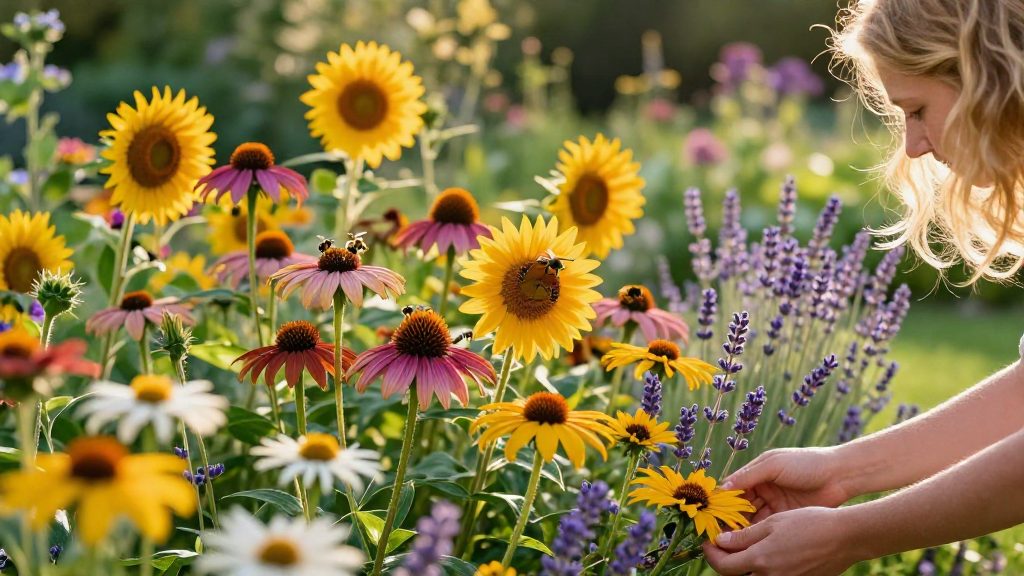
Creating a vibrant and thriving pollinator garden is not only a delightful project but also a crucial step you can take to support the well-being of bees and other important pollinators.
In this article, we’ll explore the steps and tips on how to grow a pollinator garden that can attract these vital insects, elevate your outdoor space, and enhance the ecosystem of your yard or community.
What is a Pollinator Garden?
A pollinator garden is a space dedicated to planting flowers and plants that attract and nourish bees, butterflies, and other pollinating insects.
These gardens are essential because they are designed to:
- Provide food sources in the form of nectar and pollen.
- Create habitats for resting and nesting.
- Encourage biodiversity in local ecosystems.
Why Should You Grow a Pollinator Garden?
Understanding the significance of pollinators is crucial when learning how to grow a pollinator garden. Here are a few reasons:
-
Ecosystem Support: Pollinators are responsible for the reproduction of many plants, including most fruits, vegetables, and nuts.
-
Local Food Security: By attracting pollinators, you contribute to the successful growth of crops important for human nutrition.
-
Biodiversity: A healthy population of pollinators promotes genetic diversity in plants, ensuring robust ecosystems.
-
Environmental Education: Gardening can be an excellent opportunity for you and your community to learn about ecology and conservation.
How Can You Attract Bees and Other Pollinators?
To successfully implement how to grow a pollinator garden, follow these key strategies that focus on attracting bees, butterflies, and other essential insects:
1. Choose the Right Plants
The foundation of any successful pollinator garden is diverse plant selection. Here are some recommendations for the best plants:
-
Native Plants: Opt for native species as they are well-adapted to your local climate and are ideal for attracting local pollinators.
-
Flowering Varieties: Include a variety of flowering plants that bloom at different times throughout the year to provide a constant food supply.
-
Herbs: Many herbs like lavender, sage, and basil not only attract pollinators but can also be used in your kitchen.
-
Wildflowers: Consider using a mix of wildflowers that thrive in your area, such as coneflowers, black-eyed Susans, and milkweed.
2. Provide Shelter and Nesting Sites
While knowing how to grow a pollinator garden, don’t forget about creating habitats. Many pollinators need safe spaces to rest and reproduce. Here’s how you can help:
-
Leave Some Ground Bare: Many ground-nesting bees prefer undisturbed soil, so leave patches of bare earth.
-
Install Bee Hotels: Consider placing bee houses or hotels made from wood, hollow stems, or bamboo to provide nesting sites for solitary bees.
-
Natural Materials: Incorporate logs, rocks, or brush piles for shelter—a naturalistic approach that appeals to many pollinators.
3. Avoid Pesticides and Herbicides
One of the most critical aspects of how to grow a pollinator garden is creating a safe environment for pollinators. Here are essential points to keep in mind:
-
Chemical-free Practices: Avoid using pesticides and herbicides, as many chemicals can be harmful to pollinators.
-
Natural Alternatives: If pests become an issue, consider using natural remedies or organic practices like introducing beneficial insects.
4. Optimize Sunlight and Water
Pollinators are most active in sunny, warm conditions. As you learn how to grow a pollinator garden, ensure your garden has:
-
Sunny Spots: Choose a location that gets at least six hours of sunlight daily to encourage active pollinators.
-
Fresh Water Sources: Provide a shallow dish filled with water and stones where bees can drink without drowning.
5. Plan for Continuous Bloom
Having flowers that bloom at various times ensures that pollinators have access to food throughout the growing season.
Consider planning your garden with these blooms scheduled across spring, summer, and fall:
- Spring: Crocus, hyacinth, and daffodil.
- Summer: Bee balm, milkweed, and sunflowers.
- Fall: Asters, goldenrod, and sedum.
6. Design for Diversity
To ensure that your garden successfully attracts a wide range of pollinators, consider these factors in your design:
-
Group Plantings: Plant flowers in groups of the same species to create a more visually appealing and accessible resource for pollinators.
-
Color Variety: Pollinators are attracted to vibrant colors. Bright flowers such as yellow, blue, and purple can draw them in effectively.
-
Flower Shapes: Different pollinators prefer various flower shapes; for example, tubular flowers attract hummingbirds, while flat flowers are ideal for butterflies.
How to Maintain Your Pollinator Garden?
Maintaining your pollinator garden is essential to ensure it remains a haven for bees and other vital insects.
Here’s how you can maintain it:
-
Regular Weeding: Stay on top of invasive species that may compete with your chosen plants.
-
Watering: Ensure your plants receive adequate water, especially in dry seasons.
-
Deadheading and Pruning: Remove dead flowers and prune plants to encourage new growth and prolonged blooming.
-
Seasonal Cleanup: At the end of the season, leave some stems and seed heads in place for winter shelter and food for pollinators.
Conclusion
Learning how to grow a pollinator garden is an enriching experience that contributes positively to the environment.
By choosing the right plants, providing shelter, avoiding harmful chemicals, and creating a diverse and blooming ecosystem, you can create a sanctuary for bees and other essential pollinators.
Remember, each little action counts towards a healthier planet.
So grab your gardening gloves, start planting, and watch your pollinator garden flourish while supporting the invaluable work of our buzzing friends!