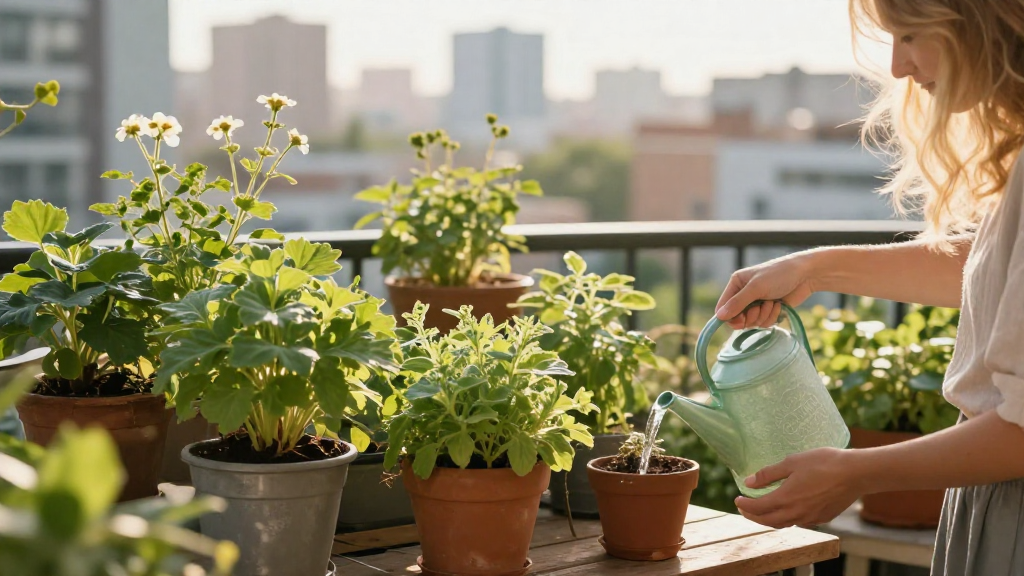
Are you looking for ways to cultivate a thriving garden in limited space?
In this article, we’ll explore how to grow a small space garden efficiently, providing you with practical tips and innovative ideas to transform any tiny area into a lush and productive garden.
What is a Small Space Garden?
A small space garden refers to any garden that is designed and maintained in a compact area such as a balcony, patio, urban rooftop, or even inside your home.
These gardens can be incredibly versatile, allowing you to grow a variety of plants despite spatial constraints.
By utilizing efficient gardening techniques, you can maximize your yield and enjoy gardening even if you’re short on space.
Why Choose to Grow a Small Space Garden?
-
Accessibility: A small garden can be more manageable and less physically demanding.
-
Cost-Effective: You can grow your own herbs and vegetables at home, reducing grocery bills.
-
Environmental Benefits: Healthy plants can improve air quality, and growing your own food minimizes transportation emissions.
-
Aesthetic Appeal: You can beautify your living space with greenery.
-
Educational Opportunity: It’s a perfect way to learn about plant care and sustainable practices.
What Types of Plants Can You Grow?
When considering how to grow a small space garden, plant selection is key.
Opt for:
-
Herbs: Basil, mint, and parsley are great choices.
-
Vegetables: Look for hardy options such as lettuce, radishes, and cherry tomatoes.
-
Fruits: Strawberries and dwarf varieties of apple or citrus can be grown in containers.
-
Flowers: Marigolds, petunias, and nasturtiums can add color and can also attract beneficial insects.
Tips for Efficient Plant Selection
-
Choose Compact Varieties: Some vegetables and fruits come in compact forms perfect for small gardens.
-
Opt for Vertical Plants: Climbing plants like pole beans or cucumbers can save ground space.
-
Diverse Planting: Companion planting can help in pest control and can maximize the use of available space.
How Do You Plan Your Small Space Garden?
Planning is crucial when determining how to grow a small space garden effectively:
-
Assess Your Space: Measure the area available and note sunlight patterns.
-
Choose a Layout:
– Vertical gardening, hanging pots, or tiered planters can utilize vertical space.
– Consider raised beds if you have ground space. -
Create a Planting Schedule: Research when to plant your chosen crops based on their growth cycles and the climate in your area.
-
Make a Budget: Factor in costs of soil, seeds, pots, and any other supplies needed.
What Are the Best Techniques for Small Space Gardening?
Utilizing smart gardening techniques can significantly improve your small space garden.
1. Vertical Gardening
Vertical gardening involves growing plants upward rather than outward.
You can use:
-
Wall Planters: These can be attached to walls or fences.
-
Staggered Shelves: Perfect for pots and containers.
-
Trellises: Ideal for climbing vegetables.
2. Container Gardening
Container gardening allows you to plant in pots or other containers. It’s a practical approach to how to grow a small space garden.
-
Materials: Use ceramic, plastic, or fabric pots.
-
Drainage: Ensure containers have adequate drainage holes.
-
Soil Quality: Use high-quality potting mix to provide nutrients.
3. Square Foot Gardening
This method divides your garden bed into squares, making it easy to maximize space.
-
Grid System: Each square can hold a different type of plant.
-
Efficient Use of Space: This method allows for high-density planting.
4. Hydroponics and Aquaponics
For the tech-savvy, hydroponics and aquaponics are excellent methods for small space gardening.
-
Hydroponics: Grow plants in nutrient-rich water without soil.
-
Aquaponics: Combines fish farming with hydroponics to create a self-sustaining ecosystem.
How Do You Care for Your Small Space Garden?
Once you’ve established your garden, proper care is essential.
1. Watering
-
Consistency is Key: Water your plants at the same time each day.
-
Using a Drip System: This can save water and deliver it directly to the roots.
2. Fertilization
-
Organic Methods: Consider compost tea or slow-release organic fertilizers.
-
Liquid Fertilizers: Easy to apply to container plants.
3. Pest Control
-
Natural Remedies: Use neem oil or insecticidal soap for pest issues.
-
Beneficial Insects: Encourage ladybugs and lacewings to control pests naturally.
4. Pruning and Trimming
Regularly prune your plants to promote healthier growth and remove any dead leaves or flowers.
This can also help manage height and shape, crucial in a small space.
What Challenges Will You Face?
When learning how to grow a small space garden, there are potential challenges to address.
-
Limited Sunlight: Look for plants that thrive in partial shade if your space lacks direct sunlight.
-
Soil Quality: Poor soil can hinder growth; always use good quality potting mix.
-
Pest Issues: Keep an eye on plants for early signs of pests.
-
Space Management: Overcrowding can diminish growth; ensure adequate spacing between plants.
How Can You Expand or Maintain Your Small Space Garden?
As you gain confidence in your gardening skills, you may want to expand or improve your space.
-
Add More Tiered Planters: This will give you an extra level of space without requiring more ground area.
-
Swap Crops Seasonally: Interchanging different plants can help soil health and keep your garden interesting.
-
Participate in Community Gardening: Engage with local groups to share experiences and even garden space.
Conclusion
With the right techniques and a little creativity, you can definitely learn how to grow a small space garden efficiently.
Whether you wish to grow herbs, vegetables, or beautiful flowers, small gardens can bring joy and a sense of achievement.
Start your small space garden today and reap the many benefits of gardening, even in the tightest of spots!