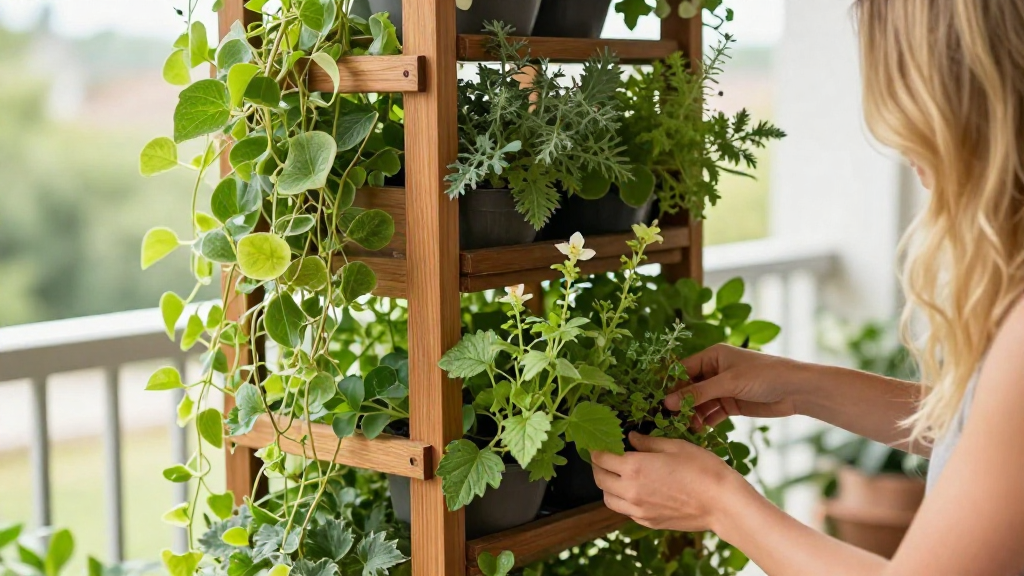
If you’re looking for innovative ways to enhance your living space, learning how to grow a vertical garden at home could be the perfect solution.
Vertical gardens are not only aesthetically pleasing but also maximize space efficiently. They can turn any dull wall into a lush, green paradise. In this article, we will explore every aspect of creating your own vertical garden, from selecting the right plants to choosing materials and maintenance strategies.
What is a Vertical Garden?
A vertical garden, also known as a living wall or green wall, is a garden that grows upwards rather than outwards.
They are typically installed on walls and can be either indoors or outdoors. These gardens utilize various structures to support plants, allowing for creative designs and diverse plant compositions.
Benefits of vertical gardens include:
- Space-saving: Perfect for small homes or apartments.
- Improved air quality: Plants purify the air, providing a healthier living environment.
- Aesthetic appeal: Adds a touch of nature to any space.
- Versatility: Can be customized to suit different themes and styles.
Now that we understand what a vertical garden is, let’s move on to how to grow a vertical garden at home.
What Materials are Needed to Create a Vertical Garden?
To successfully create your vertical garden, you’ll need several materials:
- Support Structure: This could be a wooden frame, metal grid, or pocket planters.
- Planting Medium: Use potting soil mixed with compost.
- Plants: Choose suitable plants that thrive in vertical environments.
- Watering System: Consider a drip irrigation system, or be ready to water them manually.
- Tools: Basic gardening tools like trowels, scissors, and a watering can.
Once you’ve gathered your materials, you’re ready to start building your unique vertical garden!
How Do You Choose the Right Plants?
Selecting plants for your vertical garden is crucial for its success. Here are some factors to consider:
- Sunlight Requirements: Choose plants based on the amount of sunlight they will receive. Some popular options include:
- Full Sun Plants: Succulents, Lavender, and Herbs.
- Partial Shade Plants: Ferns, Hostas, and Ivy.
-
Low-Light Plants: Snake Plant, Pothos, and Peace Lily.
-
Growth Habit: Opt for climbing vines, trailing plants, or compact varieties that grow well in confined spaces.
-
Aesthetic Appeal: Consider color, texture, and height. Mixing plants like vibrant flowers, rich greens, and varying leaf shapes can create a visually stunning display.
-
Maintenance Level: Assess how much time you are willing to dedicate to plant care. Some plants require more attention than others.
How to Assemble Your Vertical Garden?
Once you have your materials and plants selected, it’s time to assemble your garden. Follow these steps:
Step 1: Choose a Location
Find a wall that receives adequate sunlight. Consider ease of access for watering and maintenance.
Step 2: Build the Frame
If you’re using a wooden frame or shelving, make sure it’s sturdy enough to support the weight of the soil and plants.
Step 3: Prepare the Planting Medium
Mix potting soil with compost to enhance drainage and nutrient content. Fill your planting pockets or containers, ensuring there is enough soil for the roots.
Step 4: Plant Your Greens
Carefully place your selected plants into the soil, ensuring roots are well established but not overcrowded.
- Tip: Plant taller varieties at the top and cascading plants at the bottom for a layered effect.
Step 5: Install Your Garden
Secure your planting structure to the wall, ensuring it’s stable. For larger installations, consider using brackets or anchors to support heavy weights.
Step 6: Watering System
Set up your watering system to ensure consistent moisture. Drip irrigation is highly effective for vertical gardens but ensure it’s accessible for manual watering where needed.
What Maintenance is Required for Vertical Gardens?
Learning how to grow a vertical garden isn’t just about the installation; maintenance is crucial for a thriving garden. Here’s what to keep in mind:
Watering
- Frequency: Check the soil moisture regularly. Water your vertical garden at least once a week, adjusting for seasonal changes.
- Techniques: Consider using a soaker hose or drip irrigation for efficiency.
Pruning
Regularly prune your plants to promote healthy growth and shape. Remove dead leaves and faded flowers to maintain aesthetics.
Fertilization
Feed your vertical garden with diluted liquid fertilizer every 4-6 weeks during the growing season.
- Tip: A slow-release fertilizer can also be effective.
Pest Control
Monitor your plants for pests such as aphids or spider mites. Use organic pesticides or natural remedies like neem oil to treat infestations.
Can You Grow Herbs Vertically?
Absolutely! Growing herbs vertically is a fantastic way to have fresh ingredients at your fingertips while conserving space.
- Some popular vertical herbs include:
- Basil
- Mint
- Thyme
- Chives
- Cilantro
These herbs can be planted directly into your vertical garden and add aroma as well as flavor to your meals.
How to Troubleshoot Common Issues?
As with any garden, vertical gardens can face challenges. Here are common issues and solutions:
-
Pest Infestation:
– Resolution: Regularly check for pests, and use organic insecticides when necessary. -
Overwatering:
– Resolution: Ensure adequate drainage and avoid soggy soil. Adjust watering frequency. -
Insufficient Growth:
– Resolution: Check if the plants are receiving enough sunlight or nutrients. -
Falling Plants:
– Resolution: Ensure the structure is stable and that plants are adequately secured.
In Conclusion
Now that you understand how to grow a vertical garden at home, you’re ready to transform an ordinary wall into a vibrant, green space.
Vertical gardening is accessible for everyone, regardless of your gardening experience.
By following the steps outlined above, selecting the right plants, and maintaining them, you can create a flourishing vertical garden that not only beautifies your home but also offers fresh herbs and improved air quality.
So, gather your materials, get your hands dirty, and watch your vertical garden come to life! Happy gardening!