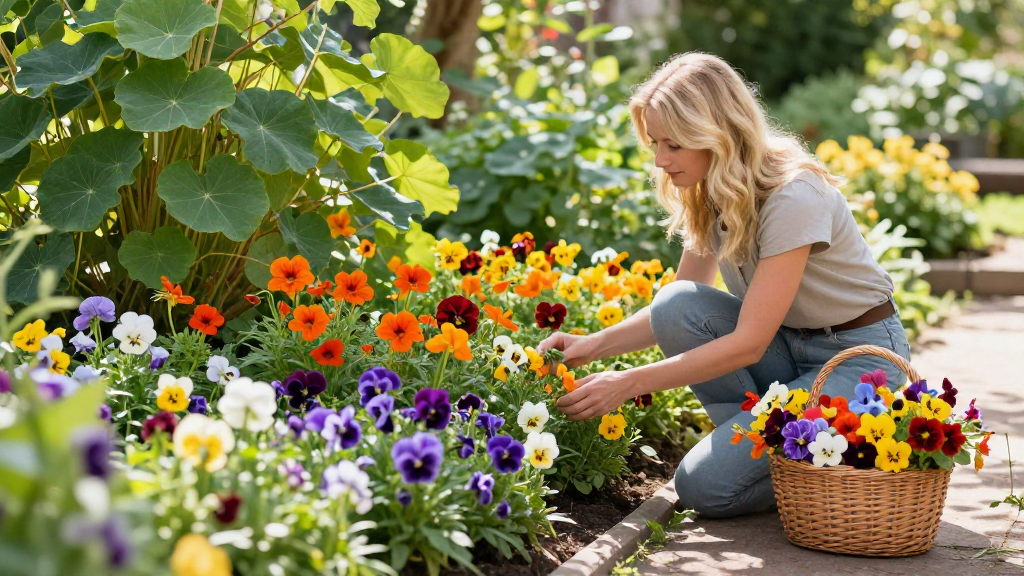
Are you ready to learn how to grow an edible flower garden that will enhance both the beauty of your space and the taste of your meals?
What Are Edible Flowers?
Edible flowers are not just visually appealing; they serve multiple culinary purposes.
They can add flavor, color, and nutrition to dishes.
Common edible flowers include:
- Nasturtiums: These have a peppery taste and come in various vibrant colors.
- Calendula: Bright and sunny, they add a mild, tangy flavor.
- Chive Blossoms: These have a mild onion flavor, perfect for salads.
- Pansies: Sweet and colorful, great for garnishing desserts.
Understanding these flowers is the first step in learning how to grow an edible flower garden.
Why Grow an Edible Flower Garden?
Growing an edible flower garden presents a myriad of benefits.
Here are some reasons why you should consider incorporating edible flowers into your gardening plan:
- Aesthetic Appeal: They add splashes of color to your garden.
- Culinary Uses: They can enhance the flavor and presentation of your dishes.
- Pollinator-Friendly: Attract beneficial insects like bees and butterflies.
- Health Benefits: Many edible flowers come packed with vitamins and nutrients.
These advantages make it worthwhile to explore how to grow an edible flower garden.
How Do You Start an Edible Flower Garden?
To successfully begin your journey in how to grow an edible flower garden, consider these essential steps:
-
Choose a Location:
– Look for a spot that receives at least 6 hours of sunlight daily.
– Ensure the area has good drainage. -
Select Appropriate Flowers:
– Opt for flowers that suit your climate and soil conditions.
– Start with beginner-friendly options like marigolds, violets, or zinnias. -
Prepare the Soil:
– Amend the soil with organic matter such as compost.
– Test the soil pH and make necessary adjustments for optimal growth. -
Plan Your Layout:
– Group flowers based on their sunlight and water requirements.
– Mix taller plants with shorter ones for visual interest. -
Sow Seeds or Transplant:
– Follow instructions for seed depth and spacing.
– Water gently after planting.
Following these steps sets the foundation for your successful edible flower garden!
How Do You Care for Your Edible Flowers?
Caring for your edible flower garden is crucial to ensure healthy growth and vibrant blooms. Here are some tips to keep in mind:
- Watering:
- Ensure plants receive consistent moisture, especially during dry spells.
-
Water the roots early in the morning or late afternoon to reduce evaporation.
-
Weeding:
- Regularly check for weeds that can rob your flowers of nutrients.
-
Mulching can help suppress weed growth.
-
Fertilizing:
- Use organic fertilizers to promote healthy growth.
-
Be cautious not to over-fertilize, as this can lead to more foliage than blooms.
-
Pest Management:
- Keep an eye out for pests like aphids and caterpillars.
- Use organic methods such as neem oil or insecticidal soap to manage infestations.
By paying attention to these care tips, you’ll be on your way to harvesting beautiful and tasty flowers!
When Is the Best Time to Harvest Edible Flowers?
Timing is crucial when it comes to harvesting your flowers.
Here are some guidelines on the best practices:
- Morning Harvesting:
- Flowers are usually more fragrant and flavorful in the morning.
-
Aim to harvest once the dew has dried.
-
Choose Flowers at Their Peak:
- Select blooms that are fully open for the best flavor.
-
Avoid picking wilted or damaged flowers.
-
Use Clean Tools:
- Always use clean scissors or pruners to avoid spreading disease.
- Harvest flowers gently to avoid bruising.
How Do You Use Edible Flowers in Cooking?
Now that you’ve learned how to grow an edible flower garden, it’s time to explore the culinary possibilities!
Here are some creative and delicious ways to incorporate them into your meals:
- Salads:
- Toss fresh edible flowers into salads for a pop of color and flavor.
-
Unique varieties like nasturtiums or pansies can be a delightful addition.
-
Beverages:
- Infuse water or teas with edible flowers for added flavor.
-
Try ice cubes with flowers frozen inside for stunning drinks.
-
Garnishes:
- Use flowers to garnish your favorite dishes or desserts for a professional touch.
-
They can elevate simple meals and impress guests.
-
Jams and Jellies:
- Create unique jams using petals such as rose and lavender.
- This can add a special twist to your breakfast!
What Are Some Common Mistakes to Avoid?
When learning how to grow an edible flower garden, it’s important to be aware of common pitfalls.
Here’s what to avoid:
- Choosing Inedible Flowers:
- Always double-check that the flowers you select are indeed edible.
-
Some flowers can be toxic to humans.
-
Neglecting Soil Quality:
- Poor soil can lead to weak plants.
-
Regularly test and amend your garden soil as needed.
-
Overcrowding Plants:
- Too many plants in a space can lead to competition for nutrients.
-
Follow recommended spacing guidelines for healthy growth.
-
Ignoring Local Pests:
- Pests can quickly devastate your edible flower garden.
- Monitor regularly and take action at the first sign of trouble.
By being mindful of these mistakes, you can ensure a flourishing garden.
Conclusion: Why You Should Start an Edible Flower Garden Today
Learning how to grow an edible flower garden not only enriches your cooking but also beautifies your environment.
The vibrant colors and unique flavors of edible flowers can enhance your dishes and bring joy to your garden.
With proper planning, care, and creativity, you can enjoy the many benefits that these flowers offer.
So, what are you waiting for? Grab your gardening tools and get started on your delightful edible flower garden today!