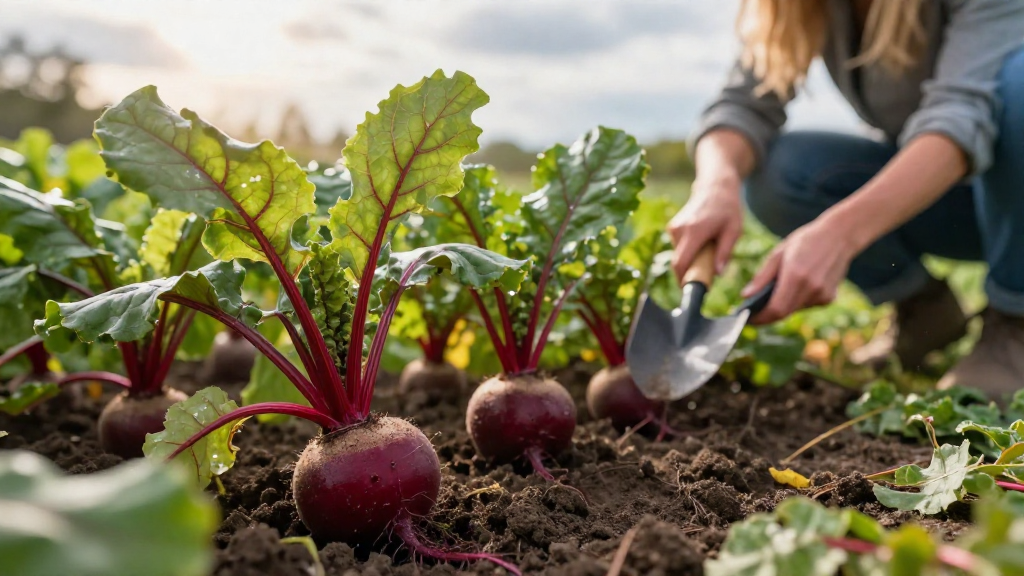
If you’re wondering how to grow beets, you’re in for a treat! Beets are nutritious, versatile, and can be a beautiful addition to your garden. Whether you’re a seasoned gardener or just starting out, this guide will help you successfully cultivate beets in your own backyard.
What Are the Best Conditions for Growing Beets?
To understand how to grow beets, it’s essential to know their ideal growing conditions. Beets thrive in:
- Soil: Well-drained, loamy soil rich in organic matter. Aim for a pH of 6.0 to 7.5.
- Sunlight: At least 6 hours of full sun daily. They can tolerate partial shade but prefer the sun.
- Temperature: Beets love cool weather. The ideal temperature range is between 50°F and 75°F (10°C to 24°C).
With the right conditions, you’ll set the stage for a successful beet harvest!
How Do I Prepare the Soil for Beets?
Soil preparation is a critical step in learning how to grow beets. Here’s how to get your soil ready:
-
Choose the Right Location: Select a sunny spot in your garden.
-
Test the Soil: Use a soil testing kit to check pH and nutrient levels. Amend as necessary.
-
Loosen the Soil: Dig at least 12 inches deep to break up compacted soil.
-
Add Organic Matter: Mix in compost or well-rotted manure to improve soil fertility and drainage.
-
Rake Level: Smooth the surface to create an even planting bed.
By preparing the soil meticulously, you’ll encourage healthy beet growth.
When Is the Best Time to Plant Beets?
Timing is crucial when learning how to grow beets. Beets can be planted in both spring and fall. Here’s when to plant:
-
Spring Planting: Start 2-4 weeks before the last expected frost date. This is typically between March and May.
-
Fall Planting: Sow seeds in late summer to early fall, about 8-10 weeks before the first expected frost.
Knowing when to plant ensures that your beets grow at the right temperature and conditions.
How Do I Plant Beet Seeds?
Now that you know the best conditions and timing, let’s dive into the planting process. Follow these steps for successful beet planting:
-
Seed Spacing: Plant beet seeds about 1 inch apart, at a depth of 1-2 inches.
-
Row Spacing: Space rows 12-18 inches apart to allow for growth and airflow.
-
Watering: After planting, water the area gently to keep the soil moist without washing away the seeds.
-
Mulching: Apply a layer of mulch to help retain moisture and suppress weeds.
Being careful and purposeful during the planting process can lead to a bountiful harvest.
How Do I Care for Beet Plants?
Once your seeds are planted, attentive care will significantly improve your chances for success. Here are effective tips for caring for beets:
-
Watering: Beets need about 1 inch of water per week. Water deeply but infrequently to promote strong root growth.
-
Weeding: Regularly remove weeds that compete with your beets for nutrients and water.
-
Thinning: Once seedlings reach 2-3 inches tall, thin them to about 3-4 inches apart, allowing the strongest beet plants to thrive.
-
Fertilization: Use a balanced fertilizer (like 10-10-10) or organic options, applying according to package directions during mid-season.
By following these care instructions, your beet plants will grow healthy and robust.
What Pests and Diseases Should I Watch For?
Understanding common beet pests and diseases is vital to successful beet gardening. Here are some to keep an eye out for:
- Pests:
- Leaf Miners: These insects burrow into the leaves. You can combat them by removing affected leaves and using insecticidal soap.
-
Aphids: Small, green insects that can spread disease. Use a strong spray of water to dislodge them.
-
Diseases:
- Downy Mildew: A fungal disease that appears as gray-green patches on leaves. Ensure good air circulation and crop rotation to prevent this.
- Fusarium Wilt: A soil-borne disease that causes yellowing leaves and wilting. Remove infected plants immediately.
By being vigilant and proactive about pests and diseases, you can protect your beet crop effectively.
When Are Beets Ready to Harvest?
Knowing when to harvest is a critical aspect of learning how to grow beets. Here’s how to determine if your beets are ready:
-
Timing: Beets typically take 50-70 days to mature after planting.
-
Size: After about 1-2 months, check the size of the beet roots. Harvest when they are around 1.5-3 inches in diameter for the best flavor and tenderness.
-
Tops: If the leaves start to die back or turn yellow, it’s also an indicator that your beets are ready to be pulled.
Harvesting at the right time ensures the best taste and texture for your beets.
How Do I Store Freshly Harvested Beets?
After a successful harvest, the next step is proper storage to maintain freshness. Follow these guidelines:
-
Cleaning: Gently wash your beets to remove soil, but do not remove the tops yet as that can cause them to bleed out moisture.
-
Trimming: Cut the tops off about 1 inch above the root to prevent them from drawing moisture from the bulb.
-
Storage: Place the beets in a plastic bag with holes or a perforated container. Store them in the refrigerator, where they can last up to 2-3 weeks.
-
Long-term Storage: For longer preservation, try pickling or canning beets.
Correct storage techniques can help you enjoy your beets for weeks to come.
What Can I Do with My Beets?
Once you’ve successfully grown and harvested your beets, you might be wondering what to do with them. Here are some delicious ideas:
-
Roasting: Roasting enhances their natural sweetness and earthy flavor. Simply peel, cube, and roast with olive oil and spices.
-
Salads: Grate raw beets into salads for a crunchy texture and vibrant color.
-
Juicing: Incorporate beets into fresh juices for a nutrient-packed drink.
-
Baking: Use beet puree in baked goods like brownies or cakes for added moisture and color.
Beets are not just versatile in the garden; they can be equally versatile in the kitchen!
Conclusion: Are You Ready to Grow Beets?
Now that you know how to grow beets, there’s nothing stopping you from getting started! With the right conditions, preparation, and care, you’ll be able to enjoy a bountiful beet harvest.
Beets are a delicious, healthy addition to any diet, and growing your own can be immensely satisfying. So gather your seeds, prepare your soil, and dive into the wonderful world of beet gardening! Happy gardening!