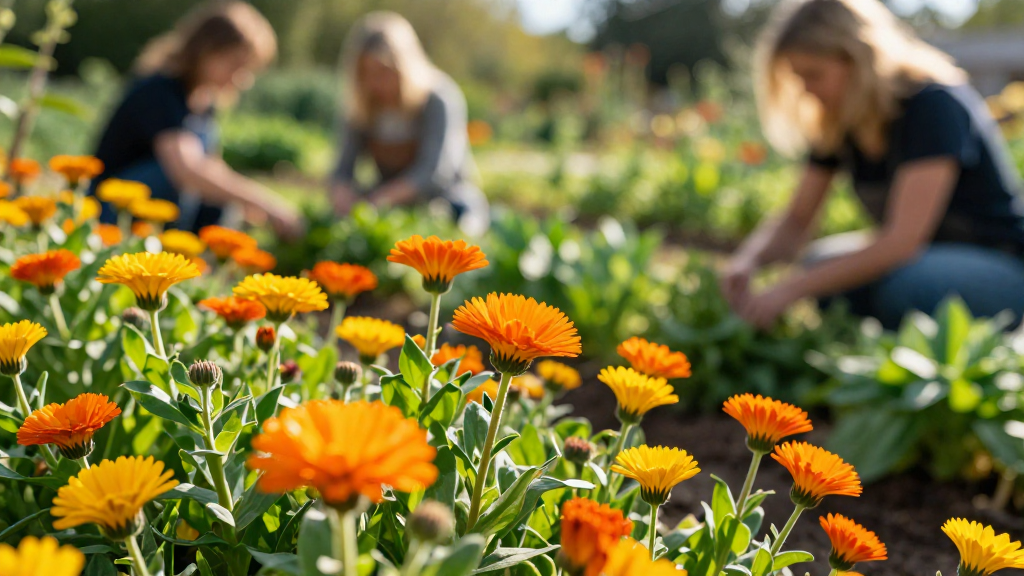
Are you looking to learn how to grow calendula? This vibrant flower not only adds beauty to your garden but also offers a host of benefits. In this article, we will explore everything you need to know about cultivating calendula from seed, including tips, tricks, and common pitfalls to avoid.
What Is Calendula and Why Should You Grow It?
Calendula, often known as pot marigold, is a hardy annual flower belonging to the Asteraceae family.
Here are some reasons to grow calendula:
- Aesthetic Appeal: Calendula flowers come in shades of yellow, orange, and gold, adding vibrant colors to your garden.
- Medicinal Uses: The petals can be used in herbal remedies for their anti-inflammatory properties.
- Attract Pollinators: Calendula attracts bees and butterflies, promoting biodiversity.
- Easy to Grow: Even beginners can successfully cultivate this flower with minimal effort.
How to Grow Calendula: What Do You Need?
Before you embark on your journey of how to grow calendula, it’s essential to gather the right supplies. Here’s a checklist:
- Seeds: Choose from various varieties such as ‘Calendula Officinalis’ or ‘Indian Prince.’
- Soil: Well-draining soil rich in organic matter is ideal for calendula growth.
- Containers or Garden Bed: Ensure you have designated planting areas.
- Watering Can or Hose: Adequate watering equipment is necessary for maintaining moisture.
- Labels: For marking seed varieties if you are planting multiple types.
When Is the Best Time to Grow Calendula?
Calendula is a cool-season flower that thrives in both spring and autumn:
- Spring Planting: Sow seeds indoors 6-8 weeks before the last frost date or directly outdoors after the frost.
- Fall Planting: You can also plant calendula in late summer for fall blooms.
How to Grow Calendula: Step-by-Step Guide
Now that you’re equipped and knowledgeable about when to plant, let’s dive into how to grow calendula step by step.
Step 1: Prepare the Soil
Before planting your seeds, ensure your soil is ready.
- Loosen the Soil: Use a fork or tiller to break it up.
- Add Organic Matter: Mix in compost or well-rotted manure to improve soil fertility.
- Check pH Levels: Calendula prefers a pH between 6.0 and 7.0 for optimal growth.
Step 2: Sow the Seeds
When it comes to sowing calendula seeds, follow these steps:
- Direct Sowing: If planting outdoors, scatter the seeds evenly over the soil.
- Cover Lightly: Sprinkle about ¼ inch of soil over the seeds, then gently press down.
- Spacing: Space seeds approximately 6 to 12 inches apart according to the variety.
Step 3: Watering Your Seeds
Watering is crucial for seed germination.
- Initial Watering: Use a gentle spray or watering can to avoid displacing the seeds.
- Maintain Moisture: Keep the soil consistently moist but not soggy.
- Avoid Overwatering: Too much water can lead to root rot.
Step 4: Monitor Growth
Once your seeds have germinated (usually takes 5 to 14 days), monitor them closely:
- Thin Seedlings: If multiple plants sprout closely together, thin them out to allow room for growth.
- Weeding: Regularly remove weeds that compete with your calendula for nutrients.
- Fertilization: Use a balanced liquid fertilizer once every 4-6 weeks to boost growth.
Step 5: Prune and Deadhead
To encourage more blooms throughout the growing season:
- Deadheading: Remove spent flowers to promote additional growth.
- Pruning: Trim back any unhealthy or damaged leaves to keep the plant healthy.
How to Grow Calendula: Tips for Success
For those looking to succeed in their calendula growing endeavors, consider these tips:
- Location Matters: Choose a spot with full sun for best flowering results.
- Pest Control: Watch for common pests like aphids and caterpillars. Use organic insecticidal soap if necessary.
- Companion Planting: Calendula can thrive alongside plants like tomatoes and peppers, as they may deter pests.
Troubleshooting Common Issues
Even the best gardeners face challenges when learning how to grow calendula. Here’s how to handle common issues:
- Yellow Leaves: This may indicate overwatering or nutrient deficiencies.
- Poor Flowering: Lack of sunlight can affect blooms; ensure the plant gets at least 6 hours of sun daily.
- Leggy Plants: If plants appear tall and spindly, they may be seeking more light; consider relocating.
When to Harvest Calendula
Calendula flowers are not just decorative but also useful for culinary and medicinal purposes.
- Harvest Time: When blooms are fully open, typically mid-summer to early fall.
- Gathering: Snip the flowers or pick petals gently to use fresh or dry them for later.
Conclusion: Enjoy the Blooms
Learning how to grow calendula can be a rewarding experience for any gardener.
With its stunning colors and numerous benefits, calendula is an excellent addition to any garden.
By following the steps outlined in this article, you’ll be well on your way to cultivating these lovely flowers successfully.
Remember to be patient, monitor your plants closely, and enjoy the process. Happy gardening!