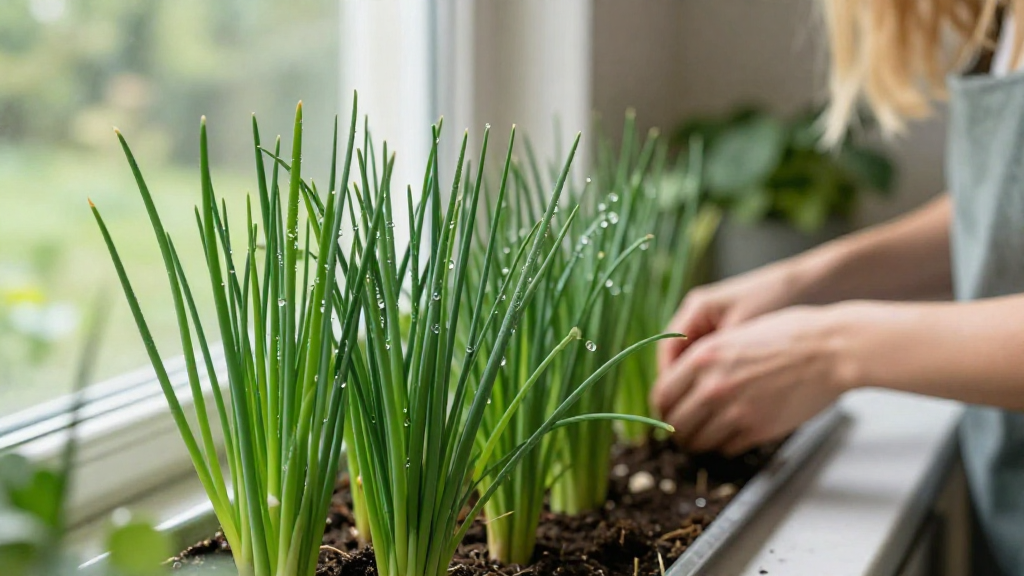
If you’re wondering how to grow chives, you’ve come to the right place. Chives are a wonderful addition to any kitchen garden, whether planted indoors or outdoors, and they come with numerous culinary and health benefits.
What are Chives and Why Grow Them?
Chives, scientifically known as Allium schoenoprasum, belong to the onion family and are prized for their delicate onion-like flavor.
Chives are easy to grow and can be cultivated in pots, garden beds, or even window sills, making them a perfect herb for gardening enthusiasts at all levels.
What Do You Need to Grow Chives?
Before diving into the specifics of how to grow chives, it’s essential to gather the necessary supplies:
- Chive Seeds or Starter Plants: Depending on your preference, you can choose seeds or established plants.
- Quality Potting Mix or Soil: Well-draining soil is critical.
- Containers (if planting indoors): Choose pots that have drainage holes.
- Watering Can: For maintaining moisture.
- Location with Adequate Sunlight: Chives thrive in sunlight, ideally 6-8 hours a day.
How Do You Choose the Right Location?
When thinking about how to grow chives, location is crucial:
Indoors vs. Outdoors
Indoor Growth
If you’re growing chives indoors:
- Place them near a south-facing window where they can receive ample sunlight.
- Grow lights can be an alternative if natural light is insufficient.
Outdoor Growth
For outdoor cultivation:
- Select a spot in your garden that receives full sun to partial shade.
- Ensure the area is sheltered from harsh winds.
What is the Best Soil for Chives?
Chives prefer well-draining soil rich in organic matter.
Soil Mix Recipe
You can create the perfect blend by mixing:
- 2 parts potting soil
- 1 part sand
- 1 part compost
This mix ensures good drainage and nutrient availability, essential for how to grow chives effectively.
How Do You Plant Chives?
Seed or Planting Method
Whether you’re using seeds or starter plants, the methods differ slightly.
Planting Seeds
- Sow Seeds Indoors: Plant seeds about ¼ inch deep in seedling trays or pots.
- Water Gently: Keep the soil moist but avoid waterlogging.
- Thin Out: Once seedlings are 3-4 inches tall, thin them out to a space of 4-6 inches apart.
Planting Starter Plants
- Dig Holes: Create holes about 12 inches apart in the garden for spacing.
- Plant: Place each chive plant in the hole and cover the roots with soil.
- Water: Ensure the soil is well-watered after planting.
How Often Should You Water Chives?
Chives thrive in moist soil, but overwatering can lead to root rot.
Watering Tips
- Water when the top inch of soil feels dry.
- During the hot summer months, check daily.
Generally, chives require:
– Less frequent watering during cooler months.
– More regular watering during the warmer growing seasons.
How to Fertilize Chives for Maximum Growth?
Fertilizing chives can boost their growth and enhance flavor.
Fertilization Tips
- Use a balanced fertilizer every 4-6 weeks during the growing season.
- Organic options like fish emulsion or compost can also be excellent choices.
How Can You Maintain Healthy Chives?
Maintaining your chives is part of learning how to grow chives effectively.
Regular Care Routine
- Prune: Trim the leaves to encourage new growth.
- Weed: Keep the area around your chives free of weeds.
- Inspect for Pests: Watch for aphids and caterpillars, treating them quickly if found.
How Do You Harvest Chives?
Harvesting is an exciting part of growing these flavorful herbs.
Harvesting Guidelines
- When to Harvest: Wait until the chives reach at least 6 inches tall and have plenty of leaves.
- How to Cut: Use scissors to snip the leaves, leaving about 2 inches above the soil for regrowth.
- Best Time: Harvest in the morning for optimal flavor and freshness.
How to Store Chives for Later Use?
Once you’ve harvested chives, knowing how to store them properly ensures longevity.
Storage Methods
- Refrigeration: Place chives in a damp paper towel and store them in an airtight container in the refrigerator. They can last up to a week this way.
- Freezing: Chop chives and mix them with a little olive oil, then freeze in ice cube trays for easy future usage.
- Drying: Chives can be dried, although this may affect flavor; place them in a dark, dry place until brittle.
What Are Some Culinary Uses for Chives?
Now that you know how to grow chives, it’s time to explore how to use them in your cooking.
- As a Garnish: Chopped chives add color and taste to soups, salads, and omelets.
- In Sauces: Incorporate chives into sour cream or yogurt for a flavorful dip.
- Flavoring Dishes: Add chives to potatoes, fish, or any savory dish needing a light onion flavor.
To Sum Up
In summary, knowing how to grow chives can be rewarding and enjoyable. They thrive in diverse conditions, making them a favorite among gardeners and chefs alike. Just remember to:
- Choose a suitable location.
- Use quality soil.
- Water and fertilize appropriately.
- Harvest regularly to encourage more growth.
With these steps, you can enjoy fresh chives from your home garden, enhancing your recipes and providing a delightful culinary experience. Happy gardening!