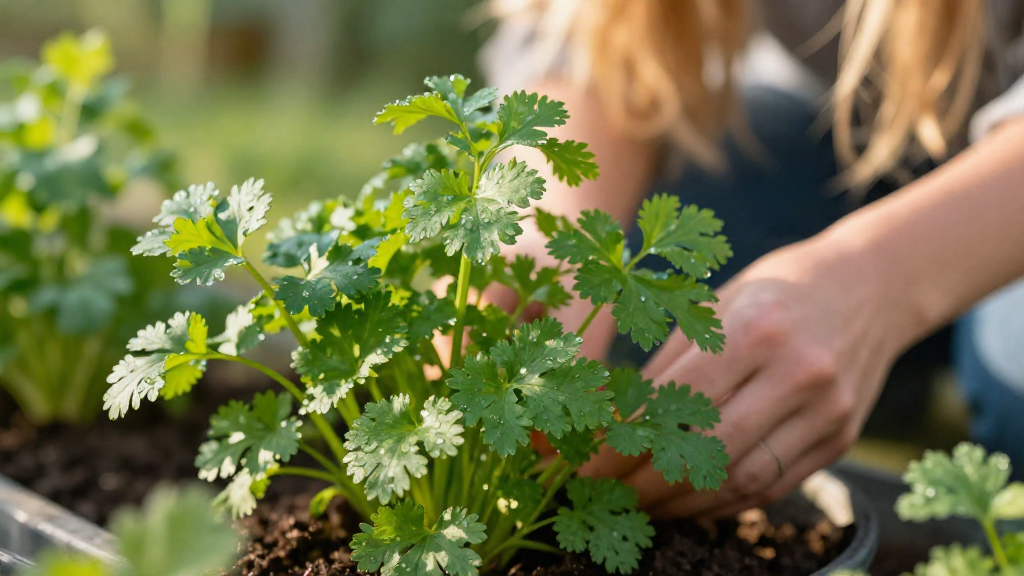
Cilantro is a fantastic herb that adds a burst of flavor to dishes.
However, many gardeners struggle with how to grow cilantro without it bolting.
Why Does Cilantro Bolt?
Understanding why cilantro bolts is essential for anyone looking to grow this flavorful herb.
Bolting occurs when a plant transitions from its leafy growth stage to flowering.
Several factors contribute to this process:
- Temperature: Cilantro prefers cooler weather. High temperatures can trigger bolting.
- Light: Extended daylight hours can also encourage the plant to flower prematurely.
- Stress: Environmental stressors like inconsistent watering or nutrient shortages can hasten bolting.
By learning how to grow cilantro effectively, you can reduce the chances of it bolting and ensure a bountiful harvest.
What Conditions Are Ideal for Growing Cilantro?
Creating the right environment for cilantro is crucial for how to grow cilantro successfully.
Here are some ideal conditions to consider:
1. Temperature
Cilantro thrives in temperatures between 50°F and 85°F (10°C to 29°C).
- Spring or Fall Planting: These seasons provide cooler weather, reducing the chances of bolting.
- If you live in a hot climate, consider planting cilantro in the early spring or late summer to avoid the heat.
2. Soil Quality
Cilantro prefers:
- Well-draining soil enriched with organic matter.
- A soil pH of around 6.2 to 6.8 is optimal.
Tip: Add compost or well-rotted manure to improve soil quality.
3. Sunlight
Cilantro requires full sun but can benefit from partial shade.
- If the temperatures start rising, providing some shade can help extend the harvest period.
- Morning sunlight is excellent, while the intense afternoon sun can be more stressful for the plant.
How to Plant Cilantro for Success?
Learning how to grow cilantro starts with proper planting techniques.
1. Seed Selection
Choose high-quality seeds from reputable sources.
Popular varieties include:
- Santo: Known for its slow-bolting nature.
- Leisure: A fast-growing variety that offers a robust flavor.
2. Sowing Seeds
- Direct sow cilantro seeds into the garden about 1/4 to 1/2 inch deep.
- Spacing is crucial; sow seeds 6 to 8 inches apart to allow for adequate growth.
3. Watering Techniques
Watering is a critical aspect of how to grow cilantro.
- Keep the soil consistently moist but not soggy.
- Water early in the morning to help prevent fungal diseases.
How to Care for Cilantro Plants?
Regular maintenance is vital to keep cilantro from bolting.
1. Fertilization
Cilantro does not require heavy fertilization, but a light application of balanced fertilizer can help:
- Apply a slow-release organic fertilizer before planting.
- Side dress with compost every few weeks during the growing season.
2. Weed Control
Weeds compete for nutrients and can stress your cilantro plants.
- Regularly remove weeds by hand or use mulch to suppress their growth.
- Organic mulch, like straw or grass clippings, can help retain moisture.
3. Pest Management
Cilantro is generally pest-resistant but can attract:
- Caterpillars
- Aphids
Natural Pest Control:
- Spray a mild soap solution to eliminate pests without harmful chemicals.
- Introduce beneficial insects like ladybugs to naturally control pests.
When Should You Harvest Cilantro?
Harvesting at the right time is essential for maximizing the use of your cilantro plant.
1. Timing
- Cilantro can be harvested when it reaches about 6 inches tall.
- Regularly snipping the leaves encourages bushier growth.
2. How to Harvest
- Cut the outer leaves first, allowing the inner ones to continue growing.
- Always use clean, sharp scissors to prevent damage to the plant.
Tip:
Be mindful of the temperatures when harvesting.
During the hottest part of the day, it’s best to avoid cutting the plant to prevent shock.
Can You Extend the Life of Your Cilantro?
If you want to enjoy cilantro long after it’s gone to seed, consider these strategies.
1. Succession Planting
- Plant cilantro every 3-4 weeks to ensure a continuous crop.
- This method helps maintain a steady supply of fresh cilantro throughout the seasons.
2. Regrowing from Stems
Did you know you can regrow cilantro from leftover stems?
- Place the stems in water and watch new roots develop.
- Once rooted, transplant them into the ground or a pot for continued growth.
3. Using Shade Cloth
As temperatures rise, covering your cilantro with a shade cloth can prevent bolting.
This technique can help maintain a cooler environment for your plants.
How to Store Cilantro for Longer Use?
Finally, knowing how to store cilantro properly can help you enjoy its vibrant flavor long after harvesting.
1. Refrigeration
- Wrap the fresh cilantro in a damp paper towel and place it in a plastic bag.
- This method keeps cilantro fresh for up to a week.
2. Freezing
For long-term storage, cilantro can be frozen:
- Chop cilantro and place it in ice cube trays.
- Fill with water or olive oil, then freeze.
- Transfer cubes to a freezer bag for easy use in cooking.
Conclusion
Learning how to grow cilantro without it bolting requires knowledge of its growth conditions, proper planting techniques, effective care, and post-harvest storage solutions.
By providing the right environment, maintaining consistent care, and using smart strategies like succession planting and shade cover, you can enjoy a thriving cilantro garden.
Now, take this guide and start your cilantro-growing journey with confidence.
Enjoy the fresh herb’s flavor in your dishes throughout the seasons!