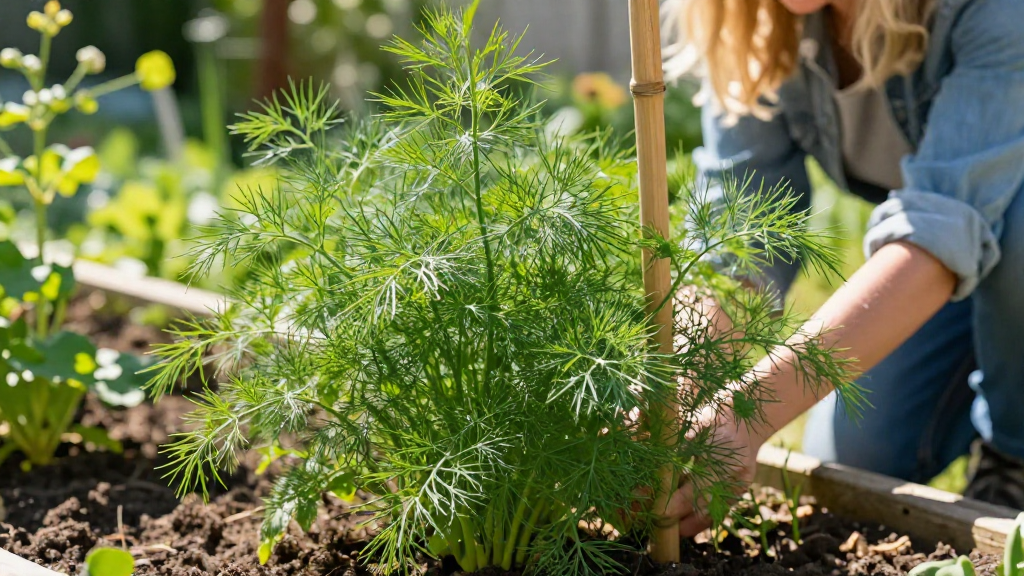
Growing dill can be a rewarding experience for both novice and experienced gardeners.
However, many face the challenge of how to grow dill without it falling over.
In this article, you’ll discover essential tips and tricks to cultivate dill successfully while ensuring that it remains upright and flourishing.
What Are the Ideal Conditions for Growing Dill?
When it comes to learning how to grow dill, understanding its ideal growing conditions is crucial.
Dill thrives in specific environmental settings, including:
- Sunlight: Dill flourishes in full sun. Aim for at least 6 to 8 hours of direct sunlight each day.
- Soil: Well-drained, nutrient-rich soil is essential. Consider using sandy or loamy soil with a pH of 6.0 to 7.0 for optimal growth.
- Temperature: Dill prefers cooler temperatures. The best range is between 60°F and 70°F (15°C and 21°C), especially during its early growth stages.
How Should You Plant Dill for Stability?
Now that you understand the ideal conditions for how to grow dill, it’s time to focus on planting techniques to prevent it from falling over.
Here are some effective methods to secure your dill plants:
1. Choose the Right Space
Select a location with sufficient sunlight and protection from strong winds.
Consider planting your dill near taller plants or a fence that can act as a natural windbreak.
2. Use Proper Spacing
When sowing seeds or planting seedlings, ensure that you provide ample spacing.
Crowded plants can become top-heavy.
- For seeds: Space them about 12 inches apart.
- For seedlings: Ensure each plant has at least 12 inches of room to grow.
3. Plant in Rows
Planting dill in rows helps maintain better airflow between the plants, reducing the risk of bending or breaking under their weight.
4. Support Tall Varieties
If you are growing taller varieties of dill, consider using stake supports.
Drive a stake into the ground beside the plant and gently tie the dill stem to the stake using soft garden twine.
This method keeps your dill upright and prevents it from flopping over.
How to Care for Dill to Prevent Falling Over?
Knowing how to grow dill is just the beginning; proper care is essential to maintain its upright structure.
Here are some caring techniques to consider:
1. Watering Techniques
Dill needs regular watering.
However, overwatering can lead to root rot, making the plant weak and susceptible to falling over.
- Water deep but infrequently to encourage deep root systems.
- Aim for 1 inch of water per week.
2. Fertilizing for Strong Growth
Fertilizing aids in robust growth which can help keep your dill upright.
- Use a balanced fertilizer at the time of planting.
- A nitrogen-rich fertilizer is particularly beneficial during early growth.
3. Pruning and Thinning
Regular pruning encourages bushy growth, which aids in stability:
- Thin out weak seedlings, allowing stronger plants to flourish.
- Regularly pinch off the flower heads before they bloom; flowering can cause the plants to become leggy and fall over.
4. Mulching
Mulching around your dill plants can help maintain soil moisture and temperature, promoting healthy root growth.
Moreover, it helps in keeping the soil structure intact, reducing the risk of erosion that might destabilize your plants.
- Use organic materials like straw or grass clippings.
- Apply a layer of 2 to 3 inches around the base of each plant.
Can Dill Seeding Timing Affect Growth?
Absolutely! Timing is a crucial factor in knowing how to grow dill successfully.
1. Ideal Planting Time
Dill can be grown as both an early spring and a late summer crop.
Knowing when to plant can set you up for success:
- Spring planting: Sow seeds after the last frost.
- Late summer planting: This can provide a fall harvest, especially in milder climates.
2. Germination Duration
Dill typically takes 7 to 14 days to germinate.
During this time, soil moisture and warmth are essential.
Monitor the soil to ensure it remains moist but not waterlogged.
How to Identify and Handle Common Pests and Diseases?
Identifying problems early is vital when learning how to grow dill.
Common threats include:
- Aphids: These tiny insects can weaken your plants. A strong blast of water or insecticidal soap can effectively remove them.
- Disease: Fungal diseases can occur if air circulation is poor.
Ensure proper spacing and avoid excess moisture to prevent this issue.
How to Harvest Dill Without Causing Damage?
To maintain your dill’s health and continued upright growth, proper harvesting techniques are critical.
1. When to Harvest
Harvest dill when the flowers are about to bloom. This stage ensures the leaves are at their most flavorful.
2. Harvesting Techniques
- Cutting: Use scissors or garden shears to cut the stems.
- Leaving Some Stems: Always leave a portion of the plant to encourage regrowth.
In summary, learning how to grow dill without it falling over is achievable with the right techniques and care.
By understanding the ideal conditions for growth, proper planting methods, and effective maintenance techniques, you can enjoy flourishing dill in your garden.
Remember, consistency is key, so be mindful of your plants’ needs and monitor them regularly.
Happy gardening, and enjoy the fresh flavor of dill in your culinary creations!