If you’re wondering how to grow drought-tolerant plants with less water, you’re not alone.
As climate change increasingly affects global weather patterns, many gardeners are shifting their focus to more sustainable practices, including selecting plants that require minimal water.
In this article, we will explore practical techniques and tips for growing drought-tolerant plants while conserving water.
What Are Drought-Tolerant Plants?
Drought-tolerant plants are varieties that can thrive in dry conditions.
They have adapted to survive with minimal water, making them perfect for areas with prolonged dry spells.
Some popular drought-tolerant plants include:
- Succulents: Such as aloe vera and agave.
- Herbs: Like rosemary, thyme, and lavender.
- Perennials: Such as sedums and coneflowers.
These plants not only require less water but can also enhance the beauty of your garden.
How Can You Select the Right Plants?
When learning how to grow drought-tolerant plants, selecting the right varieties is crucial.
Here are some factors to consider:
-
Local Climate: Choose plants that are native to your region as these species are naturally adapted to local weather patterns and soil types.
-
Soil Type: Evaluate whether your soil is sandy, clay, or loamy. This will affect water retention and nutrient availability.
-
Sunlight: Determine how much sunlight your garden receives daily. Some drought-tolerant plants thrive in full sun, while others prefer partial shade.
Make a list of potential plants that fit these criteria to help you make informed decisions.
What Techniques Help Reduce Water Usage?
Knowing how to grow drought-tolerant plants effectively requires implementing certain techniques to minimize water usage.
Here are some proven strategies:
-
Mulching:
– Apply a thick layer of organic mulch (like wood chips or straw) around your plants.
– Mulch helps retain moisture, suppresses weeds, and adds nutrients back into the soil as it decomposes. -
Watering Wisely:
– Water early in the morning or late in the afternoon to reduce evaporation.
– Use a drip irrigation system to deliver water directly to the plant roots instead of overhead watering. -
Soil Improvement:
– Enrich your soil with organic compost to improve its water-retention capacity.
– Consider adding substances like vermiculite or perlite to enhance drainage and aeration. -
Natural Plant Grouping:
– Group plants with similar watering needs together.
– This not only conserves water but allows for more efficient watering practices. -
Rainwater Harvesting:
– Install rain barrels to collect and store rainwater for watering purposes.
– This is a sustainable method and a great way to reduce your reliance on municipal water sources.
When Is the Best Time to Plant?
Timing is critical when learning how to grow drought-tolerant plants.
The best time to plant drought-tolerant species is typically:
- Early Spring: Allows plants to establish roots before the summer heat.
- Fall: Provides cooler weather, which is beneficial for root development.
Before planting, consider the following:
- Prepare the Planting Site: Clear any existing weeds and debris.
- Test the Soil: Determine pH and nutrient levels to ensure optimal health for your drought-tolerant plants.
How Should You Care for Your Drought-Tolerant Plants?
Caring for drought-tolerant plants is relatively easy, but there are essential practices to keep in mind:
-
Water Sparingly: Once established, most drought-tolerant species require minimal watering.
- Water only when the soil is dry to a depth of 1-2 inches.
-
Pruning: Regularly prune dead or unhealthy growth to promote better airflow and encourage new growth.
-
Observe for Pests: Keep an eye out for pests and diseases. Catching these early can prevent significant damage.
Can You Enhance Aesthetic Appeal?
Yes, you can enhance your landscape’s aesthetic appeal while learning how to grow drought-tolerant plants!
Here’s how:
-
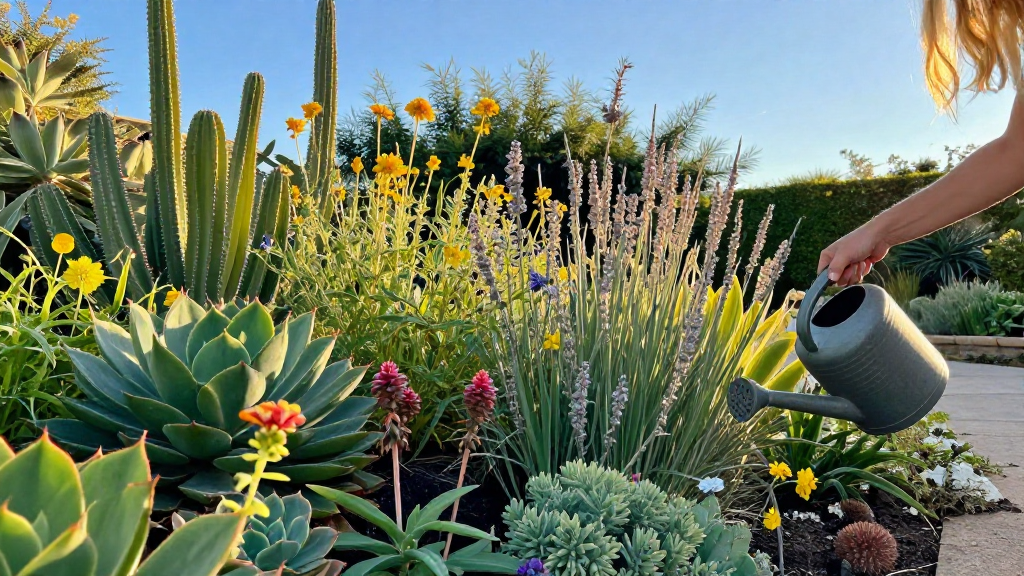
Variety in Form and Texture: Mix different shapes and textures for visual interest. For example, combine spiky agaves with rounded succulents.
-
Seasonal Blooms: Choose plants that bloom at different times of the year. This ensures your garden looks lively throughout various seasons.
-
Use of Color: Select drought-tolerant flowers that have bright colors, such as purple, orange, and yellow, to add vibrancy to your space.
-
Incorporate Hardscape Elements: Use stones, pebbles, and gravel to create paths or borders to add depth and dimension to the garden.
Are There Common Mistakes to Avoid?
When learning how to grow drought-tolerant plants, be mindful of these common mistakes:
-
Overwatering: Too much water can lead to root rot. Always check the soil moisture before watering.
-
Neglecting Soil Preparation: Poor soil can affect plant health. Amend the soil as needed to ensure good drainage and nutrients.
-
Planting Too Close Together: Give each plant enough space to grow. Crowding can lead to competition for resources and increased susceptibility to diseases.
-
Ignoring Regional Recommendations: Always check local guidelines for plant selections and care. Native plant societies are excellent resources for this information.
Conclusion: Why Grow Drought-Tolerant Plants?
Learning how to grow drought-tolerant plants not only saves water but also promotes a sustainable gardening approach that benefits the environment.
These plants:
- Require Less Maintenance: Saving you time and resources.
- Attract Pollinators: Supporting local wildlife.
- Create a Beautiful Landscape: Offering diverse aesthetics and seasonal changes.
Embracing drought-tolerant plants is a proactive step toward a more sustainable lifestyle.
By implementing the tips outlined in this article, you’ll be well on your way to cultivating a vibrant, water-efficient garden that thrives with minimal water input.
Start planning your drought-tolerant garden today, and enjoy the numerous benefits it brings!