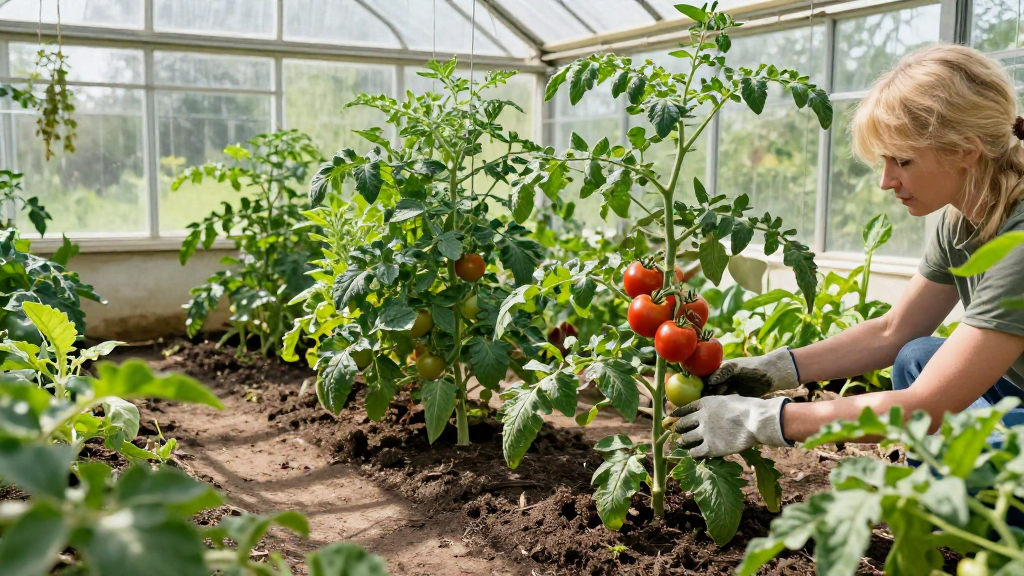
If you’re wondering how to grow food in a greenhouse, you’re in the right place!
This guide will provide you with all the essential tips and techniques to maximize your greenhouse’s potential, enabling you to enjoy fresh produce throughout the year.
Why Grow Food in a Greenhouse?
Growing food in a greenhouse offers numerous benefits, particularly for those who want to extend their gardening season.
Here are some advantages:
-
Controlled Environment: Greenhouses create a stable growing environment, protecting plants from harsh weather conditions.
-
Pest Management: They reduce the risk of pests and diseases while providing a habitat for beneficial insects.
-
Soil Quality: You can control the soil quality, leading to healthier plants.
-
Extended Seasons: You can grow vegetables and fruits year-round, including in winter months.
What Can You Grow in a Greenhouse?
When contemplating how to grow food in a greenhouse, it’s essential to know what crops thrive in this environment. Here are some of the best options:
-
Leafy Greens: Spinach, kale, and lettuce can grow almost all year round.
-
Herbs: Basil, cilantro, and parsley flourish in controlled conditions.
-
Tomatoes: With adequate sunlight and warmth, you can produce tomatoes in any season.
-
Peppers: Bell peppers and chili peppers thrive in warmer conditions.
-
Cucumbers: These plants love warmth and do well when grown in greenhouses.
How to Create the Ideal Greenhouse Environment?
To successfully grow food in a greenhouse, follow these steps to create an optimal setting:
1. Choose the Right Location
-
Sunlight: Aim for a south-facing spot to maximize sunlight exposure.
-
Accessibility: Ensure that the greenhouse is easily accessible for maintenance and harvesting.
-
Water Source: Proximity to a water source is essential for irrigation.
2. Select the Right Greenhouse Structure
There are various types of greenhouses to consider:
-
Lean-To Greenhouses: These are attached to another building and are an excellent choice for limited space.
-
Freestanding Greenhouses: Provide flexibility in placement and can be designed based on your needs.
-
Hoop Houses: Easy to construct and cost-effective, they are perfect for beginners.
3. Manage Temperature and Humidity
Temperature and humidity control is crucial for successful greenhouse gardening.
-
Heating: Use heaters during colder months to maintain warmth.
-
Cooling: Ventilation, shaded areas, and evaporative coolers can help keep the greenhouse temperature in check.
4. Optimize Lighting
-
Natural Light: Ensure your greenhouse is designed for maximum sunlight penetration.
-
Supplemental Lighting: Consider grow lights during shorter winter days to promote photosynthesis.
5. Watering System
A reliable watering system is essential for plant health.
-
Drip Irrigation: This conserves water and provides a steady flow.
-
Misting Systems: Keep humidity levels up while ensuring leaves don’t dry out.
How to Prepare and Maintain Soil?
Healthy soil is the backbone of any successful greenhouse garden.
1. Soil Quality
-
Use a high-quality potting mix or a soil-less medium.
-
Conduct regular soil tests to check nutrient levels and pH balance.
2. Fertilization
-
Incorporate organic fertilizers such as compost and well-rotted manure to enrich your soil.
-
Choose slow-release fertilizers to provide continuous nourishment.
3. Crop Rotation
- Rotate your crops annually to prevent disease and restore soil nutrients.
What Are the Best Practices for Planting?
Once your greenhouse environment is set up, it’s time to focus on how to grow food in a greenhouse effectively.
1. Seed Starting
-
Start seeds indoors and transplant them into your greenhouse once they are established.
-
Use seed trays or small pots to give each seed the space it needs to grow.
2. Transplanting
- Ensure that seedlings are hardened off—gradually exposed to outdoor conditions before moving them into the greenhouse.
3. Spacing
- Follow recommended spacing guidelines for each plant to promote healthy growth and airflow.
How to Control Pests and Diseases?
Integrated pest management is key to maintaining a healthy growing environment.
1. Monitoring and Identification
- Frequent checks on your plants can help identify pests and diseases early on.
2. Organic Remedies
- Use neem oil, insecticidal soap, or diatomaceous earth to combat pest infestations organically.
3. Beneficial Insects
- Introduce predatory insects such as ladybugs and lacewings to help control pests naturally.
How to Harvest Properly?
Harvesting your crops is one of the most rewarding parts of gardening.
1. Timing
- Understand the best time to harvest each crop to ensure peak flavor and quality.
2. Technique
-
Use sharp, clean tools to minimize damage to plants.
-
Harvest regularly to promote new growth.
Conclusion: Ready to Grow Food in Your Greenhouse?
Now that you’re equipped with knowledge on how to grow food in a greenhouse, it’s time to take action and start your greenhouse journey!
By implementing these tips and best practices, you’ll not only extend your growing season but also enjoy abundant and sustainable food production year-round.
Take the leap and enjoy the fruits of your labor all year long! Happy gardening!