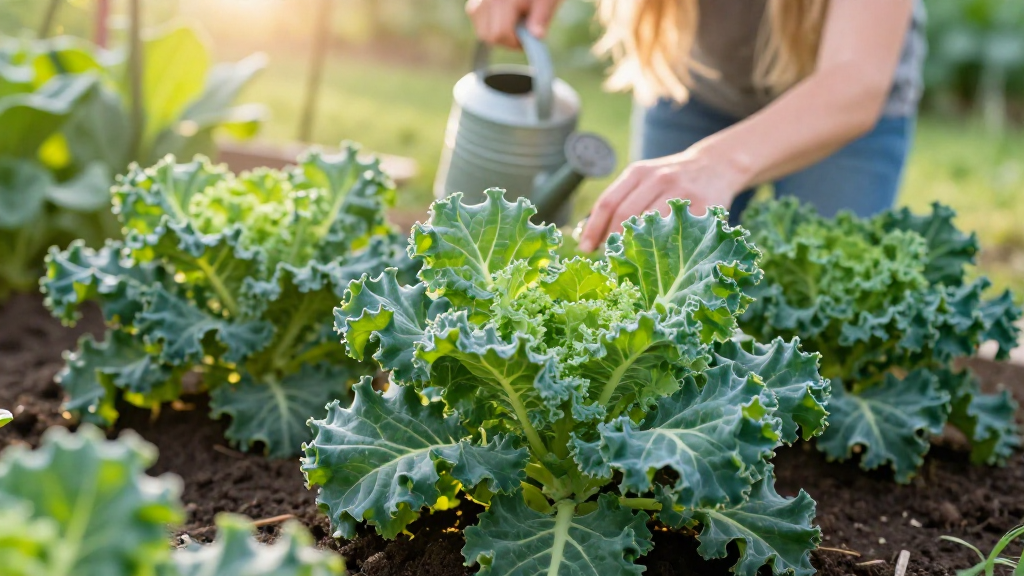
If you’re wondering how to grow kale, you’re in the right place! This nutrient-dense leafy green is not only versatile in the kitchen, but it’s also remarkably easy to cultivate year-round.
Why Grow Kale?
Kale is celebrated for its high nutritional value, which includes:
- Vitamins A, C, and K
- Rich in antioxidants
- Omega-3 fatty acids
- Calcium and potassium
Its adaptability makes it a staple for both beginner and experienced gardeners.
When is the Best Time to Grow Kale?
You might be asking yourself, “Can I grow kale in winter?” The answer is, yes! Understanding the growing seasons for kale can help you maximize your harvest.
- Spring:
- Plant your kale seeds 2-4 weeks before the last frost date.
-
Ideal temperatures range from 50°F to 70°F.
-
Fall:
- Kale can be planted in late summer for a fall harvest.
-
It can withstand light frosts, which actually enhance its flavor.
-
Winter:
- If the climate permits, consider using a cold frame or row cover to grow kale throughout winter.
How to Grow Kale from Seeds?
What Are the Steps for Planting?
If you’re ready to learn how to grow kale from seeds, follow these steps:
-
Choose Your Variety:
– Popular choices include Lacinato, Curly Blue, and Red Russian kale. -
Prepare the Soil:
– Kale thrives in loamy, well-draining soil rich in organic matter. Aim for a pH of 6.0 to 7.0. Add compost or aged manure to improve soil quality. -
Sow the Seeds:
– Plant seeds about 1/2 inch deep and 1 inch apart. Thin seedlings to about 12 to 18 inches apart once they develop their second set of leaves. -
Watering:
– Provide consistent moisture. Water regularly to keep the soil damp but not waterlogged. A good rule of thumb is about 1 inch of water per week. -
Light Requirements:
– Ensure your kale gets at least 6 hours of sunlight daily. If you’re growing indoors or in areas with less sunlight, consider using grow lights.
How to Care for Kale Plants?
What Are the Best Practices for Maintenance?
Learning how to grow kale involves more than just planting the seeds. Here are some essential care tips:
- Fertilizing:
-
Use a balanced organic fertilizer every 4-6 weeks to support growth.
-
Pest Management:
-
Keep an eye out for pests like aphids, Cabbage worms, and beetles. You can use insecticidal soap or neem oil to help manage infestations.
-
Mulching:
-
Apply a layer of organic mulch around the base to help retain moisture and suppress weeds.
-
Pruning:
- Regularly harvest leaves from the outer part of the plant to encourage new growth.
How to Harvest Kale?
When and How to Collect My Kale?
Finally, understanding how to grow kale extends to knowing when and how to harvest it:
- Timing:
- Typically, kale is ready for harvest 70-80 days after planting.
-
You can begin harvesting leaves when they are 6-8 inches long.
-
Harvesting Technique:
-
Use scissors or garden shears to cut the leaves from the base. Make sure to leave the center leaves, known as the growing crown, intact to encourage further growth.
-
Storage:
- Store your kale in the refrigerator’s crisper drawer in a perforated plastic bag to keep it fresh for up to one week.
Tips for Growing Kale in Containers
Can I Grow Kale in Pots?
Yes! Growing kale in containers can be a great way to cultivate this green if you’re short on space. Here’s what you need:
- Container Size:
-
Use at least a 5-gallon pot for each plant to ensure enough room for root development.
-
Soil:
-
Use a high-quality potting mix enriched with organic matter.
-
Watering:
- Container plants generally require more frequent watering, so monitor soil moisture closely.
What Are the Benefits of Growing Kale Year-Round?
Why Should I Consider Year-Round Cultivation?
Cultivating kale in any season offers several advantages:
- Continuous Supply:
-
With staggered planting, you can enjoy fresh kale throughout the entire year.
-
Flavor Enhancement:
-
Kale that withstands frost tends to be sweeter and more flavorful.
-
Nutritional Boost:
- Fresh kale means you’ll always have access to this powerhouse of nutrients.
Conclusion: Is Growing Kale Worth It?
Absolutely! By understanding how to grow kale effectively, you can reap numerous health benefits and enjoy its versatility in various dishes.
Whether you’re planting in spring, welcoming a winter harvest, or flexibly utilizing containers, kale’s ease of growth makes it a prime choice for any gardener.
Empower yourself by planting your own kale today, and relish the results of your hard work in the kitchen! Happy gardening! 🌿