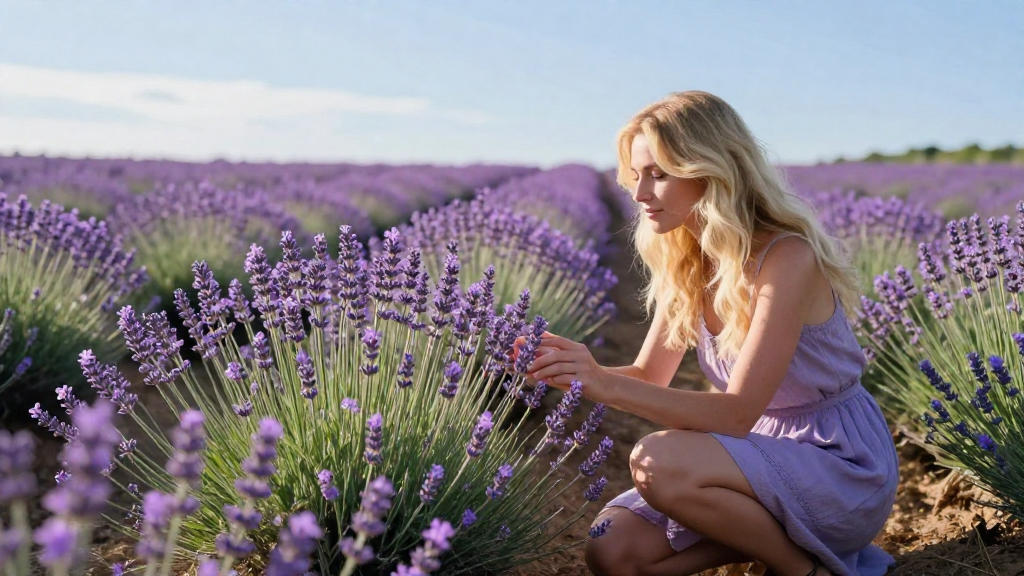
If you’ve ever wondered how to grow lavender, you’re in luck! This delightful herb is not only beautiful but also exudes a calming fragrance that can transform any garden space.
Why Should You Grow Lavender?
Lavender (Lavandula) is renowned for its striking purple flowers and soothing scent. But why should you consider growing it in your garden or in pots? Here are some compelling reasons:
- Aromatic Qualities: The sweet fragrance of lavender can help reduce stress and enhance relaxation.
- Versatile Usage: Lavender is perfect for crafting essential oils, culinary delights, sachets, and potpourri.
- Pollinator Friendly: Lavender attracts bees, butterflies, and other beneficial pollinators.
- Drought Resilient: Once established, lavender exhibits excellent resistance to drought, making it low-maintenance.
So, let’s dive into the nitty-gritty of how to grow lavender in your own garden!
What are the Best Conditions to Grow Lavender?
To successfully grow lavender and enjoy its enchanting scent, specific conditions must be met:
- Sunlight: Lavender thrives in full sunlight, requiring at least 6 to 8 hours of direct sunlight per day.
- Soil: It prefers well-drained, sandy, or gravelly soil with a pH level between 6.5 and 7.5. Heavy clay soils can lead to root rot.
- Watering: Lavender is drought-tolerant once established. Water deeply but infrequently, allowing the soil to dry out between waterings.
If you live in an area with excess humidity, consider planting lavender in raised beds or containers to ensure good drainage.
How to Plant Lavender?
Getting started with how to grow lavender begins with the planting process:
-
Choose the Right Variety:
– English Lavender (Lavandula angustifolia) is known for its fragrance and hardiness.
– French Lavender (Lavandula dentata) boasts a unique look and scent.
– Spanish Lavender (Lavandula stoechas) has distinctive flower heads and is great for warmer climates. -
Select a Planting Site:
– Pick a location that receives ample sunlight and has well-drained soil.
– Avoid areas with standing water after rain. -
Prepare the Soil:
– Amend heavy soil with sand or gravel to improve drainage.
– You can also mix in some compost for added nutrients. -
Plant Lavender:
– Dig a hole slightly larger than the root ball of your lavender plant.
– Place the plant in the hole, making sure the crown is level with the soil surface.
– Backfill with soil and pat it down gently. -
Space Your Plants:
– Ensure adequate space between plants. Spacing them 2 to 3 feet apart allows for adequate air circulation and prevents disease. -
Water After Planting:
– Water thoroughly after planting but avoid overwatering.
How to Care for Lavender?
After you’ve planted your lavender, proper care is essential to maintain its health and fragrance:
Watering Schedule
- Water newly planted lavender once or twice a week.
- Gradually reduce watering as the plant establishes itself.
Pruning Lavender
- Prune your lavender plants once a year.
- Remove dead flower heads and shape the plant to encourage bushiness.
Fertilizing Lavender
- Lavender generally doesn’t require a lot of fertilizer.
- If desired, apply a low-nitrogen fertilizer in the spring to promote growth.
Protecting from Pests
- Lavender is relatively pest-resistant.
- However, watch out for aphids and spider mites.
- Use insecticidal soap if needed, or introduce beneficial insects like ladybugs.
When to Harvest Lavender?
One of the most rewarding aspects of learning how to grow lavender is the harvesting process:
-
Timing is Key:
– Lavender is usually ready for harvest when the flowers are in full bloom and before the petals begin to fall. -
Harvest Method:
– Use a sharp pair of garden scissors or pruners to cut the stems.
– Cut just above the foliage and in the early morning when the essential oils are most concentrated. -
Drying Lavender:
– Gather the cut stems into small bundles and hang them upside down in a dark, dry place.
– This will allow the lavender to retain its aroma.
How to Use Lavender?
Now that you know how to grow lavender, the next step is to enjoy its benefits. Here are some ideas:
- Aromatherapy: Use lavender essential oil in diffusers for a relaxing ambiance.
- Culinary Uses: Incorporate dried lavender into baked goods, teas, and salads for an aromatic flavor.
- Sachets: Fill small fabric bags with dried lavender to keep clothing smelling fresh.
- Decor: Use fresh flowers in floral arrangements or as part of a garden display.
How to Overwinter Lavender?
To ensure your lavender thrives through harsh winters, consider these tips:
- Mulch: Apply a light layer of mulch around the base to protect roots but avoid piling it against stems.
- Draining: Ensure good drainage around the plant to prevent rot during wet weather.
- Container Growing: If growing in pots, bring them indoors or protect them with frost blankets during extreme cold.
Conclusion: Start Growing Lavender Today!
Learning how to grow lavender opens up a world of possibilities for enhancing your space with delightful fragrance and beauty.
Plant your lavender, care for it with diligence, and enjoy the myriad of uses it has to offer.
With its minimal maintenance and stunning blooms, lavender is a beautiful addition to any garden.
So why wait? Start your lavender journey today and experience the joy and tranquility it brings!