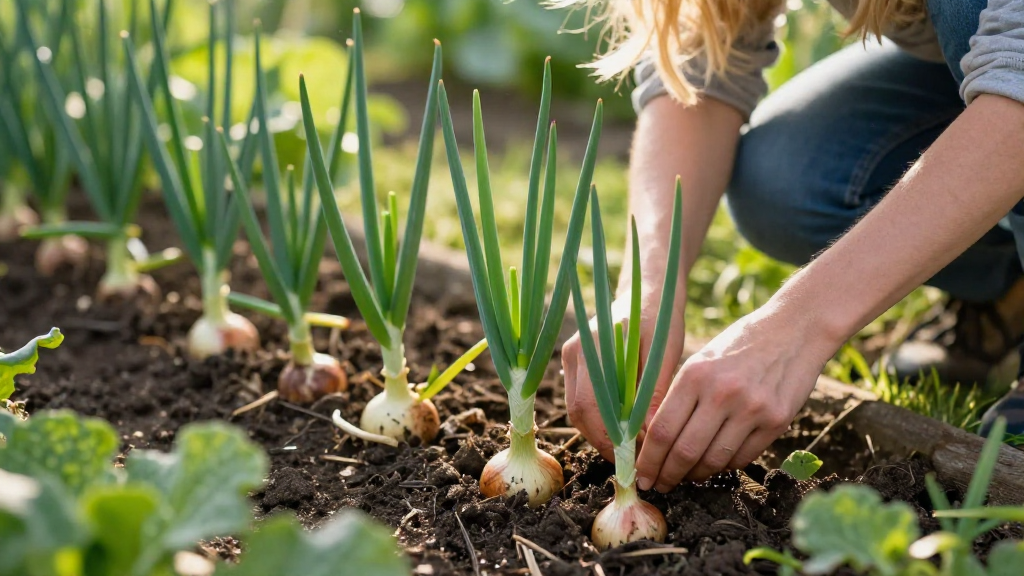
Growing onions in your garden can be a rewarding and delicious endeavor.
Whether you’re a seasoned gardener or a beginner, knowing how to grow onions can greatly enhance your culinary experiences while providing you with fresh produce right from your backyard.
Why Should You Grow Onions?
Onions are a versatile vegetable that can be used in various dishes, adding flavor and nutrition. Here are some reasons why you should consider incorporating them into your garden:
- Nutritional Value: Rich in vitamins C, B6, and manganese, onions offer various health benefits.
- Culinary Versatility: Onions can be used in salads, soups, stir-fries, and garnishes.
- Ease of Cultivation: Onions are generally easy to grow, making them an ideal choice for beginners.
What Are the Best Varieties of Onions to Grow?
When learning how to grow onions, it’s essential to choose the right variety based on your climate and cooking preferences. Here are some popular onion varieties:
- Yellow Onions: The most commonly used onion, which is versatile and flavorful.
- Red Onions: Known for their sharp flavor and color, perfect for salads and salsas.
- Sweet Onions: These are milder and great for caramelizing; examples include Vidalia and Walla Walla onions.
- Green Onions: Also known as scallions, these are harvested early and can be used as a garnish.
Choose the variety that suits your taste and the climate of your gardening zone.
When Is the Best Time to Plant Onions?
To successfully learn how to grow onions, timing your planting is crucial. Follow these simple guidelines:
- Spring Planting: In most regions, onions are planted in early spring as soon as the ground can be worked.
- Fall Planting: In milder climates, you can plant overwintering varieties in the fall.
Where Should You Plant Onions?
Selecting the right location is vital when figuring out how to grow onions effectively. Onions thrive in specific conditions:
- Sunlight: Onions prefer full sun, requiring at least 6 to 8 hours of direct sunlight daily.
- Soil Type: Well-draining soil enriched with organic matter works best. A pH between 6.0 and 7.0 is ideal.
- Spacing: Ensure enough space to allow for air circulation. Spacing onions 4-6 inches apart is ideal in rows that are about 1-2 feet apart.
How to Prepare Your Soil for Planting Onions
Soil preparation is a crucial step in mastering how to grow onions. Here’s a quick guide:
- Test Your Soil: Check the pH and nutrient levels.
- Add Organic Matter: Incorporate compost or well-rotted manure to enhance fertility.
- Turn the Soil: Loosen the soil to a depth of 12-15 inches to create a favorable growing environment.
- Level the Bed: Ensure the garden bed is level to prevent water pooling.
How Do You Plant Onions?
Once your soil is ready, it’s time to plant your onions. Here’s how to do it effectively:
- Choose Your Method: You can use seeds, sets (small onion bulbs), or transplants.
- Planting Seeds: If using seeds, plant them in small rows about ¼ inch deep.
- Planting Sets: For onion sets, place them in the soil with the point facing up; bury them about 1 inch deep.
- Transplants: For onion transplants, plant them at the same depth they were growing in their containers.
Make sure that the rows are straight, and keep an eye on spacing to allow for bulb development.
How to Care for Your Onion Plants
Caring for your onions is essential to ensure a bountiful harvest. Here are some tips on how to grow onions successfully:
Watering
- Consistency: Onions need about 1 inch of water per week. Ensure soil is kept moist but not waterlogged.
- Avoid Overhead Watering: Water at the base to prevent fungal diseases.
Fertilizing
- Choose the Right Fertilizer: Use a balanced fertilizer or one high in nitrogen. Apply fertilizer every 3-4 weeks.
- Follow Instructions: Always follow the recommended application rates.
Weed Control
- Mulching: Apply a layer of mulch to suppress weeds and retain moisture.
- Manual Weeding: Be careful not to disturb onion bulbs when weeding.
Pest and Disease Management
- Monitor for Pests: Watch out for common onion pests such as onion maggots and thrips.
- Rotate Crops: Avoid planting onions in the same location consecutively to minimize diseases.
When and How to Harvest Onions?
Knowing when to harvest onions is another key aspect of how to grow onions successfully. Here’s how to determine the right time:
- Observe the Tops: When the green tops begin to fall over and dry out, it’s a sign the onions are ready to be harvested.
- Pulling Up the Bulbs: Carefully pull the onions from the soil, being cautious not to damage them.
- Curing Onions: Allow the harvested onions to cure in a cool, airy place for about 2 to 3 weeks. This helps to improve their storage life.
How to Store Your Onions Properly
To maximize your onion harvest, proper storage is key. Here are some tips:
- Choose the Right Environment: Store onions in a cool, dry, dark place with good air circulation.
- Avoid Refrigeration: Onions should not be stored in the refrigerator, which can cause them to sprout.
- Use Mesh Bags: To keep them well-aerated, consider storing onions in mesh bags or open baskets.
Conclusion
Learning how to grow onions can be a simple yet rewarding gardening project.
By following the tips outlined in this article, from choosing the right variety to proper care and storage, you can enjoy a successful onion harvest that enhances your meals.
So, roll up your sleeves, get your hands dirty, and start growing your delicious onions today!
Happy gardening!