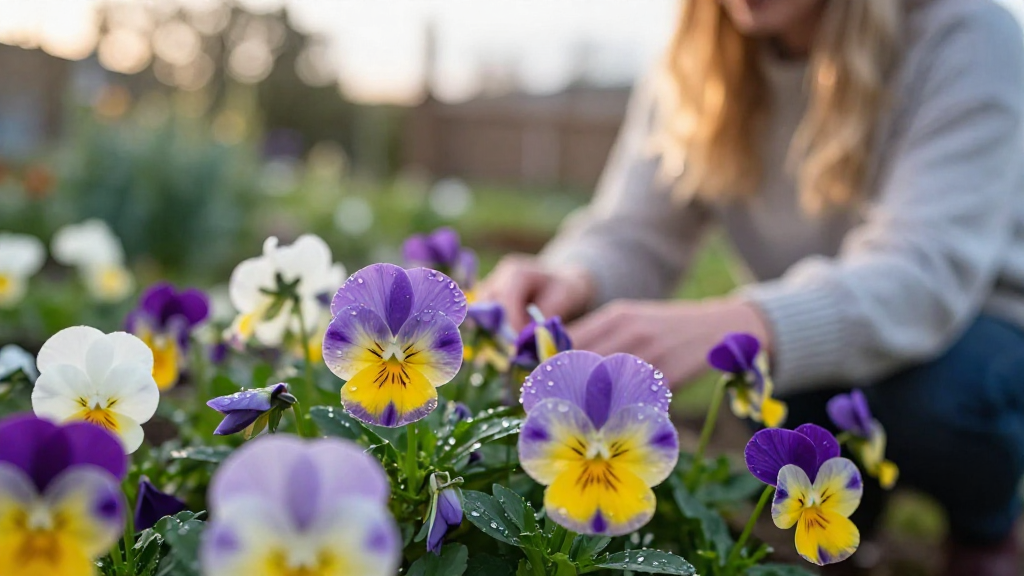
If you’re wondering how to grow pansies, you’re in the right place! These vibrant flowers can add a splash of color to your garden, especially in cooler weather.
What are Pansies and Why Grow Them in Cooler Weather?
Pansies (Viola tricolor var. hortensis) are hardy, cool-weather annuals. They thrive when temperatures are mild, making them perfect for early spring or fall gardens.
With their wide variety of colors and patterns, pansies can illuminate any outdoor space, providing beauty long after other flowers in your garden have wilted.
Additionally, these flowers can withstand frost, making them a reliable choice for gardeners in cooler climates.
When is the Best Time to Plant Pansies?
If you’re eager to learn how to grow pansies, timing is key!
Ideal Seasons for Planting:
- Early Spring:
-
Plant pansies 2 to 4 weeks before your last frost date.
-
Fall:
- Consider planting in early fall, about 6 to 8 weeks before the first expected frost.
This enables the plants to establish themselves before the colder months.
What are the Best Growing Conditions for Pansies?
To successfully understand how to grow pansies, it’s crucial to know their ideal growing conditions.
1. Light Requirements
Pansies prefer full sun to partial shade. Aim for at least 6 hours of sunlight per day.
- If you live in a particularly hot climate, consider providing some afternoon shade to protect the plants from scorching.
2. Soil Quality
Pansies thrive in well-drained, fertile soil.
Key Soil Traits:
-
pH Level: Aim for a pH of 6.0 to 6.8 for optimal growth.
-
Nutrients: Incorporate organic matter, such as compost, to enrich the soil.
This aids in improving soil drainage and providing essential nutrients.
3. Temperature Tolerance
Pansies are cool-weather flowers. They flourish in temperatures between 45°F and 65°F (7°C to 18°C).
- They can survive light frosts and prefer temperatures that are not too hot.
How Often Should I Water My Pansies?
How to grow pansies also involves understanding their watering needs.
Watering Tips:
- Frequency: Water pansies once or twice a week, depending on rainfall.
- Method: Use a soaker hose or water at the base of the plant to prevent fungal diseases.
Ensure the top inch of the soil is dry before watering to avoid overwatering.
What Fertilizer Should I Use for Pansies?
Using the right fertilizer is essential for vibrant blooms.
Choosing Fertilizers:
- Balanced Fertilizer: Use a balanced fertilizer with equal parts nitrogen, phosphorous, and potassium (e.g., 10-10-10).
- Granular or Liquid: Both granular and liquid fertilizers can be effective. For pots, a liquid feed every 4 weeks is ideal.
This ensures the plants receive the nutrients needed without overwhelming them.
How to Care for Pansies in Cooler Weather?
Caring for pansies involves both routine maintenance and protection against cold.
Key Care Practices:
- Regular Deadheading:
-
Remove spent flowers to promote continuous blooming.
-
Mulching:
-
Apply a layer of organic mulch to protect roots from frost and help retain moisture.
-
Pest Control:
- Keep an eye out for common pests like aphids and slugs. Use insecticidal soap or natural remedies to alleviate infestations.
Winter Protection:
If you live in a region with harsh winters:
- Consider covering your pansies with frost cloth during severe frosts.
- If the plants are in pots, you can bring them indoors or into a frost-free shed during extreme cold.
When Will My Pansies Bloom?
Understanding how to grow pansies also means knowing what to expect in terms of blooming.
Blooming Cycle:
- Pansies typically bloom within 6 to 8 weeks after planting, depending on the variety and growing conditions.
- Expect blooms to last through spring and into early summer if cared for properly.
How to Troubleshoot Common Pansy Problems?
Even with the best care, you may encounter issues while learning how to grow pansies.
Common Problems & Solutions:
-
Faded or Wilting Flowers:
– This can indicate too much heat or insufficient water. Adjust sun exposure and watering frequency. -
Root Rot:
– Caused by overwatering or poor drainage. Ensure soil is well-drained and only water when the top inch is dry. -
Yellowing Leaves:
– This may denote nutrient deficiency, typically nitrogen. A balanced fertilizer can help resolve this.
By being attentive and proactive, you can maintain a vibrant display of pansies throughout the cooler months.
Conclusion
Now that you have all the essential tips on how to grow pansies, you can successfully enhance your garden with these cheerful, colorful flowers.
Remember to consider their environmental needs, provide adequate care, and tackle any challenges that arise along the way.
With a little patience and dedication, your pansies will bloom beautifully, bringing joy to your outdoor space even when the temperatures drop.
Transform your garden into a cool-weather wonderland with the vibrant hues of pansies!