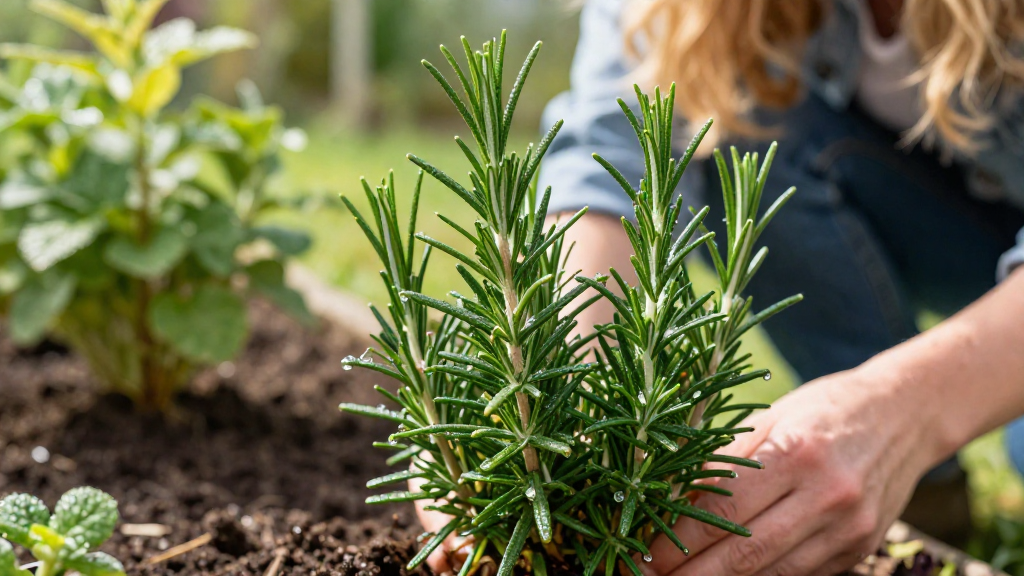
Are you interested in learning how to grow rosemary successfully in your garden?
In this comprehensive guide, we will explore everything you need to know about cultivating this aromatic herb, from selecting the right variety to ensuring it thrives in your garden.
What are the Best Conditions for Growing Rosemary?
Rosemary (Rosmarinus officinalis) is a hardy, evergreen herb that loves sunny conditions.
Here are the key factors to consider when setting up your rosemary garden:
- Sunlight:
- Rosemary requires at least 6 to 8 hours of direct sunlight each day.
- Soil Type:
- Well-draining, sandy or loamy soils are ideal.
- Aim for a soil pH of 6.0 to 7.0 for optimal growth.
- Watering:
- Rosemary prefers to be on the dry side, so watering once a week or when the top inch of soil is dry is usually sufficient.
By providing these essential conditions, you’ll set the stage for successful rosemary growth.
How Do You Prepare the Soil for Rosemary?
Prior to planting rosemary, it’s essential to prepare the soil properly.
Follow these steps:
- Choose the Right Location:
– Select a spot in your garden that receives ample sunlight. - Clear Debris:
– Remove rocks, weeds, and other plant materials. - Test the Soil:
– Use a soil test kit to determine pH and nutrient levels. - Amend the Soil:
– Mix in sand or perlite to improve drainage, if necessary.
– Incorporate organic matter like compost to boost nutrients.
Once your soil is ready, you’re on the right track to learn how to grow rosemary successfully.
Should You Start from Seeds or Cuttings?
When considering how to grow rosemary, you can either start from seeds or cuttings.
Each method comes with its own advantages:
Starting from Seeds:
- Advantages:
- You get to choose from a variety of rosemary types.
- Seeds are cost-effective.
- Disadvantages:
- Germination can take time (up to three weeks).
- Not all seeds may sprout.
Starting from Cuttings:
- Advantages:
- Faster results; cuttings typically root in 1-2 weeks.
- You’ll get a plant that is genetically identical to the parent.
- Disadvantages:
- Limited to the rosemary varieties available to you.
Choose the method that works best for you based on your needs and available resources.
What Are the Steps to Plant Rosemary?
Once you’ve selected your method of propagation, it’s time to plant rosemary.
Follow these steps:
- Seeds:
– If using seeds, start them indoors during early spring.
– Sow seeds about 1/4 inch deep and keep them moist until germination. - Cuttings:
– Snip a 4-6 inch cutting from a healthy plant.
– Remove the lower leaves and place the cutting in a glass of water or directly in the soil. - Transplant:
– When seedlings or cuttings are about 2-3 inches tall, transplant them to their final spot outdoors, spacing them 18-24 inches apart.
– Ensure that the top of the root ball is level with the soil surface.
How to Care for Rosemary?
Caring for rosemary is straightforward, but it’s vital to monitor growth conditions.
Here are key care tips:
- Watering:
- Water sparingly; overwatering can lead to root rot.
- Make sure the pot has drainage holes or the ground is well-drained.
- Fertilizing:
- Fertilize every 4-6 weeks during the growing season with a balanced fertilizer.
- Pruning:
- Regularly prune rosemary to encourage bushy growth.
- Trim back any woody stems and spent flowers.
- Pest Control:
- Keep an eye out for common pests like aphids and spider mites.
- Use neem oil or insecticidal soap for treatment.
How Do You Harvest Rosemary?
Knowing when and how to harvest is crucial in maximizing your rosemary yield.
To harvest rosemary successfully:
- Timing:
- The best time to harvest rosemary is in the morning after the dew has dried.
- Technique:
- Use sharp scissors or pruning shears.
- Cut stems about 4-6 inches long, ensuring you don’t take more than 1/3 of the plant at once.
Make sure to harvest regularly, as it encourages new growth and maintains the health of the plant.
Can You Grow Rosemary Indoors?
Absolutely!
Growing rosemary indoors can be a rewarding experience.
Here’s how to make it successful:
- Pot Selection:
- Use a pot with drainage holes to prevent water from pooling.
- Light Exposure:
- Position the pot near a south-facing window for maximum sunlight.
- Humidity:
- Rosemary enjoys low humidity, so avoid keeping it in steam-heavy areas like bathrooms.
With proper care, rosemary can thrive even in the confines of your home.
What Are Common Issues When Growing Rosemary?
Even seasoned gardeners can face challenges while growing rosemary.
Some common issues include:
- Overwatering:
- Look for yellowing leaves or mushy stems—these are signs of too much water.
- Insufficient Light:
- If your rosemary plants grow leggy or thin, they may not be getting enough sunlight.
- Pest Infestation:
- Regularly check for pests and treat them immediately to prevent loss.
Understanding these potential pitfalls can help you succeed in learning how to grow rosemary.
Conclusion:
Growing rosemary is not only straightforward but also incredibly rewarding.
From its delightful aroma to its culinary uses, rosemary can be a valued addition to your garden or kitchen.
By understanding how to grow rosemary effectively—selecting the right conditions, taking care of your plants, and knowing when and how to harvest—you can enjoy fresh rosemary year-round.
Get started today!
With patience and the correct information, your rosemary plants will thrive, providing you with fresh herbs for culinary delights and aromatic add-ons to your home.