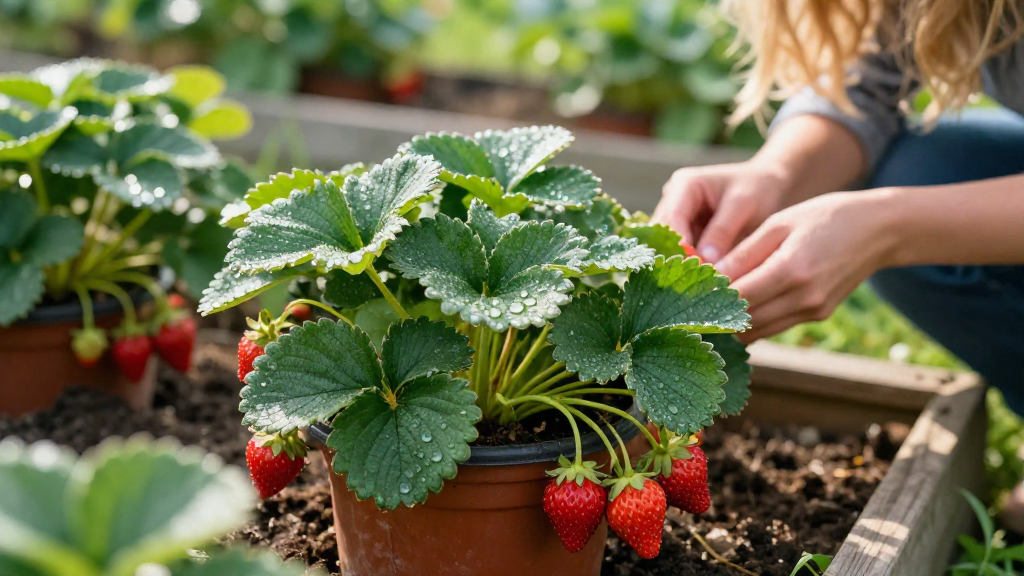
If you’re wondering how to grow strawberries, you’re in for a treat. Strawberries are delicious, versatile fruits that can be grown easily in various settings, whether in pots on a balcony or in garden beds.
What Do You Need to Grow Strawberries?
To successfully learn how to grow strawberries, you’ll need a few essential supplies and some knowledge about the ideal growing conditions. Here’s a list of what you will need:
-
Strawberry Plants: Choose between bare-root plants, potted plants, or plugs.
-
Containers or Garden Beds: Decide if you prefer growing in pots or directly in the ground.
-
Quality Potting Mix: A well-draining potting mix is crucial for healthy plant growth.
-
Fertilizer: Use a balanced, slow-release fertilizer suitable for fruiting plants.
-
Watering Can or Hose: Ensure your strawberries get adequate moisture, especially during dry spells.
-
Mulch: Helps retain soil moisture and keeps weeds down.
-
Sunlight: Strawberries love sunlight, so choose a location that gets at least 6-8 hours of sun daily.
By gathering these essentials, you’re already on your way to mastering how to grow strawberries!
Where is the Best Place to Grow Strawberries?
When considering how to grow strawberries, location is key:
-
Containers:
– If you’re limited on space, using pots or containers is an ideal option.
– Make sure they have drainage holes to prevent waterlogging. -
Garden Beds:
– If you have a garden bed available, this can be a more economical choice for growing larger quantities.
– Raised beds work especially well, as they provide excellent drainage and can be easily amended with high-quality soil. -
Sunlight Exposure:
– Both pots and beds should be placed in areas where they receive ample sunlight.
– Select a spot with full sun for the most prolific berry production.
What Varieties of Strawberries Should You Choose?
Understanding how to grow strawberries also involves knowing the right varieties to plant:
- June-Bearing Strawberries:
- Produce a single large crop during late spring to early summer.
-
They are ideal for freezing and making jams.
-
Everbearing Strawberries:
- Yield strawberries throughout the summer and fall.
-
Perfect for continuous snacking and fresh eating.
-
Day-Neutral Strawberries:
- Produce fruit regardless of day length.
- Excellent for cooler climates with a prolonged growing season.
Choosing the right variety will determine your overall success in how to grow strawberries!
How Do You Prepare the Soil?
Soil preparation is a vital step in deciding how to grow strawberries:
-
Testing the Soil:
– Check pH levels; strawberries thrive best in slightly acidic soil (pH of 5.5 – 6.8). -
Improving Soil Quality:
– Mix in compost or well-rotted manure to retain moisture and provide nutrients.
– Ensure the soil drains well to avoid root rot. -
Raised Beds vs. Pots:
– If using raised beds, fill them with a mixture of topsoil, compost, and peat moss.
– For pots, a high-quality commercial potting mix will work best.
How Should You Plant Strawberries?
Now that you have your supplies and soil ready, let’s dive into how to grow strawberries through planting:
-
Spacing:
– Plant strawberries 12-18 inches apart to allow for optimal airflow and growth.
– In pots, opt for a 12-inch diameter pot for one plant or a 24-inch pot for several. -
Depth:
– Ensure that you plant the strawberries deep enough that the crown — where the roots meet the stem — is slightly above soil level.
– If the crown is buried, it can rot or fail to produce fruit. -
Watering:
– Water the plants well immediately after planting.
– Ensure the soil stays moist but not soggy for the first few weeks.
How Do You Care for Strawberry Plants?
Proper care is essential when learning how to grow strawberries:
Watering
-
Frequency: Water plants regularly, especially during dry spells.
-
Methods: Use drip irrigation or a soaker hose to keep the foliage dry and prevent diseases.
Fertilizing
-
Apply a balanced fertilizer every few weeks during the growing season.
-
Avoid excessive nitrogen as it can lead to lush foliage at the expense of fruit.
Mulching
-
Use organic mulch, such as straw or wood chips, to retain moisture and reduce weeds.
-
Mulch will also help prevent soil-borne diseases.
Pruning
-
Remove any dead or unhealthy leaves periodically.
-
For June-bearing varieties, trim off runners if you want to focus on fruit production.
How to Harvest Strawberries?
When your strawberries ripen, it’s time to enjoy the fruits of your labor! Here’s how to harvest:
-
Timing:
– Strawberries are ready to pick when they are fully red.
– Check daily during the harvest season, as they ripen quickly. -
Harvesting:
– Gently twist or cut the berries from the stem, leaving the green cap intact for extended shelf life. -
Storing:
– Store strawberries in a cool place, but avoid washing them until you’re ready to eat.
- For prolonged enjoyment, freeze excess strawberries for smoothies or baking.
What Are Common Pests and Diseases?
Understanding and preventing pests and diseases is crucial to successful strawberry cultivation:
Common Pests:
-
Slugs: They enjoy tender strawberry leaves. Use organic slug bait to keep them away.
-
Spider Mites: Occasionally, these can infest strawberry plants. Regularly mist them to keep the humidity up and insects at bay.
Common Diseases:
-
Powdery Mildew: A fungal issue prevalent in humid conditions; good airflow can help mitigate this.
-
Root Rot: Ensure proper drainage in the soil to prevent this disease.
By staying vigilant about care and maintenance, you can successfully combat most issues that arise when learning how to grow strawberries.
In Conclusion: Why Grow Strawberries?
Growing strawberries in pots or beds is not only fulfilling but also provides an abundant supply of fresh fruit.
Whether they are savored on their own, added to desserts, or blended into smoothies, strawberries are an enjoyable addition to your culinary repertoire.
With the proper preparation, planting techniques, and care routines, you’ll soon master how to grow strawberries in your garden or on your balcony. So, roll up your sleeves and start your strawberry-growing journey today!
Key Takeaways:
- Choose the right variety of strawberries based on your climate.
- Prepare your soil and container properly.
- Water and fertilize regularly, and be mindful of pests and diseases.
- Enjoy the rewards of your labor by harvesting at the right time.
Happy planting! Enjoy your fresh, home-grown strawberries!