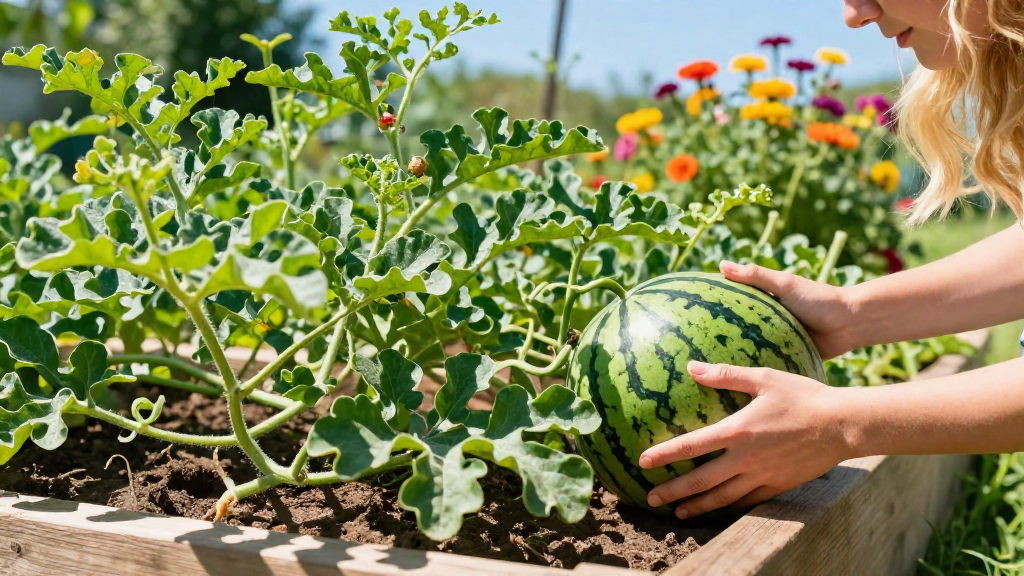
If you’re wondering how to grow watermelon in a small garden, you’re in the right place!
Watermelons are a delicious summertime treat, but they can take up a lot of space. Fortunately, even garden enthusiasts with limited space can successfully cultivate these juicy fruits with the right techniques. In this article, we’ll explore the best practices for growing watermelons in small gardens.
Why Grow Watermelon in a Small Garden?
Growing watermelons in a small garden not only saves space but also enhances your gardening skills. Watermelons can thrive in limited areas if you manage them properly.
- Limited Space: Small gardens can benefit from vertical gardening techniques, which we’ll discuss later.
- Health Benefits: Homegrown watermelons are fresher and more nutritious than store-bought ones.
- Cost-Effective: Growing your own watermelons saves money during the peak season.
What Varieties of Watermelon Are Best for Small Gardens?
When considering how to grow watermelon, it’s crucial to select the right variety. Some types are more suited for small spaces than others. Here are some popular options:
- Sugar Baby: A small, sweet variety perfect for container gardening.
- Tom Watson: A more compact watermelon known for its excellent flavor.
- Miniature Varieties: Look for varieties specifically bred for limited spaces, like “Sweet Prince” or “Icebox”.
When is the Best Time to Plant Watermelon?
Timing your watermelon planting is essential to successful growth. Watermelons thrive in warm weather, so here are some tips:
- Soil Temperature: Ideal soil temperature for planting is around 70°F (21°C).
- Frost-Free Dates: Wait until the last frost has passed to start planting.
- Growing Season: Watermelons typically require a growing season of 70-90 days.
By selecting the right time frame, you ensure maximum yield from your small garden.
How Do You Prepare Your Soil for Watermelon Planting?
Knowing how to grow watermelon starts with understanding soil preparation. Here’s how to create optimal conditions for your plants:
- Soil Type: Watermelons prefer sandy loam soil.
- pH Level: Aim for a pH between 6.0 and 6.8.
- Fertilization: Incorporate compost or well-rotted manure to boost nutrient levels.
- Drainage: Ensure good drainage to prevent root rot. Raised beds can be beneficial.
How to Successfully Plant Watermelon Seeds or Seedlings?
Once your soil is prepared, it’s time to plant! Here are steps to follow for planting watermelon seeds or seedlings:
- Planting Depth: Sow seeds 1 inch deep for optimal sprouting.
- Spacing: If growing in rows, space seeds about 36 inches apart.
- Water: Water the area well after planting to ensure seed germination.
- Transplanting: If starting indoors, transplant seedlings after they have at least two true leaves.
How Can You Maximize Space When Growing Watermelon?
When you learn how to grow watermelon, maximizing your available garden space is essential. Consider these tips:
- Vertical Gardening: Use trellises to support watermelon vines. This technique also promotes better air circulation and reduces the risk of disease.
- Container Gardening: Choose large pots or containers to grow watermelon plants. Ensure proper drainage and provide a sturdy support system.
- Companion Planting: Plant watermelons alongside fast-growing plants like radishes or lettuce that won’t compete for nutrients during their growth cycle.
What Are the Watering Needs for Watermelon Plants?
Watermelons require adequate moisture for optimal growth. Here’s how to achieve the right watering balance:
- Frequency: Water deeply, once or twice a week, depending on weather conditions.
- Avoid Overwatering: Err on the side of caution to prevent root rot.
- Mulching: Apply organic mulch to help retain soil moisture and suppress weeds.
How Do You Fertilize Watermelon Plants?
Fertilization is critical in the journey of how to grow watermelon. Here are some best practices:
- Initial Fertilization: Use a balanced fertilizer at planting time, such as 10-10-10 or 5-10-10.
- Side Dressing: Apply additional nitrogen fertilizer when flowering begins to boost fruit development.
- Organic Options: If you prefer organic methods, consider using compost tea or fish emulsion.
What Are Common Pests and Diseases to Watch For?
Being mindful of pests and diseases can make or break your watermelon journey. Here are some common issues to be aware of:
- Pests:
- Aphids
- Cucumber beetles
-
Spider mites
-
Diseases:
- Powdery mildew
- Fusarium wilt
- Wilt caused by the root-knot nematode
Prevention Methods:
- Keep plants healthy with proper watering and fertilization.
- Rotate crops each season to prevent soil-borne diseases.
How Do You Know When Watermelons Are Ready to Harvest?
Knowing when to harvest is crucial to enjoying the fruits of your labor. Here’s how to determine when your watermelons are ripe:
- Color Change: The underside should turn a creamy yellow.
- Tendril Drying: The tendril closest to the fruit dries out.
- Sound Check: Tap the watermelon; a deep sound usually indicates ripeness.
Conclusion: How to Grow Watermelon Successfully in a Small Garden!
In conclusion, learning how to grow watermelon in a small garden is not only feasible but also rewarding.
With careful planning, soil preparation, and attention to watering and pest control, you can successfully cultivate this delicious fruit even in a limited space.
By selecting compact varieties, utilizing vertical gardening techniques, and ensuring proper care, you’ll be able to enjoy the sweetness of homegrown watermelon right from your garden.
Don’t wait! Start your miniature watermelon garden today and relish in the joy of fresh, homegrown fruit!