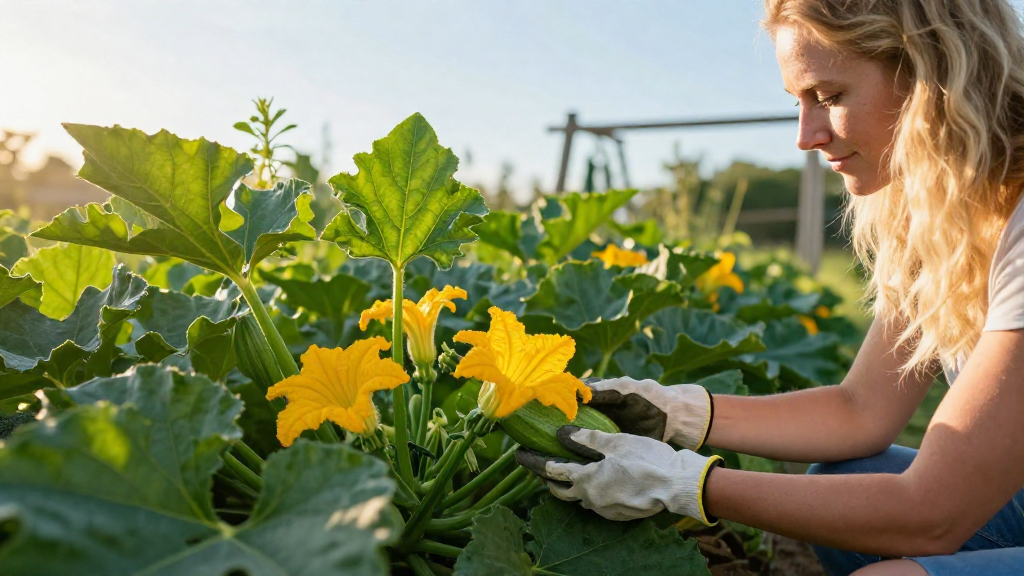
If you’ve ever wanted to learn how to grow zucchini without dealing with pesky pests, you’re in the right place.
Growing zucchini can be incredibly rewarding, but it can also come with its fair share of challenges, particularly when it comes to unwanted insects and diseases. Fortunately, with the right practices and knowledge, you can successfully grow zucchini while keeping pests at bay.
What Are the Best Practices for Growing Zucchini?
When it comes to how to grow zucchini, there are several best practices that you can implement to ensure healthy plants while minimizing pest issues. Here are essential tips to consider:
-
Choose the Right Variety:
– Opt for disease-resistant varieties which naturally deter pests.
– Popular choices include ‘Black Beauty’, ‘Costata Romanesco’, and ‘Cocozelle.’ -
Plant at the Right Time:
– Zucchini thrives in warm weather. Plant seeds or seedlings after the last frost to ensure quick growth.
– For optimal results, aim for a soil temperature of around 70°F (21°C). -
Select a Suitable Location:
– Ensure your zucchini receives at least 6-8 hours of sunlight each day.
– Choose a spot with good air circulation to prevent diseases. -
Prepare the Soil:
– Well-draining soil is crucial. Amend with compost or well-rotted manure to enrich the soil.
– The ideal pH for zucchini is between 6.0 to 7.0.
How Can You Prevent Pests When Growing Zucchini?
Knowing how to grow zucchini effectively also involves understanding pest prevention. Here are proven methods to keep pests away:
-
Companion Planting:
– Consider planting marigolds, basil, or nasturtiums nearby.
– These plants attract beneficial insects that prey on pests or repel harmful ones like aphids and squash bugs. -
Use Floating Row Covers:
– These lightweight fabric covers can protect young plants from pests.
– Be sure to remove them when flowers appear to allow pollinators access. -
Regular Inspections:
– Check your plants frequently for signs of pests, such as discoloration or holes in leaves.
– Early detection can prevent widespread damage. -
Handpicking Pests:
– For larger pests, like squash bugs and cucumber beetles, you can simply pick them off and dispose of them.
– Make it a routine part of your gardening chores. -
Encourage Beneficial Insects:
– Ladybugs, lacewings, and parasitic wasps can help control pest populations naturally.
– Plant flowers such as yarrow, and umbellifers to attract these helpful allies.
What Are Natural Remedies for Pest Control?
In addition to preventive measures, understanding how to grow zucchini includes knowing natural remedies for pest control. These options are safe for your garden and the environment:
-
Neem Oil:
– This natural insecticide disrupts the life cycle of pests.
– Mix 1-2 tablespoons of neem oil with water and spray on infested plants. -
Diatomaceous Earth:
– This fine powder can be sprinkled around your plants.
– It kills soft-bodied insects like slugs, thrips, and aphids without harming plants. -
Soap Spray:
– A simple mixture of liquid soap and water can deter aphids and spider mites.
– Use a ratio of 1 tablespoon of soap to 1 quart of water and spray affected areas. -
Garlic Spray:
– Garlic has excellent pest-repelling properties.
– Blend a few garlic cloves with water, strain, and spray it directly onto your plants.
How Important is Water Management in Growing Zucchini?
Water management plays a crucial role in how to grow zucchini successfully without pests. Proper irrigation can prevent many issues associated with both pests and diseases. Here’s how you can manage water effectively:
-
Deep Watering:
– Water zucchini deeply but less frequently.
– Ensure that the soil remains moist, especially during the flowering and fruiting stages. -
Mulching:
– Applying organic mulch can help retain moisture in the soil.
– It also suppresses weeds that may harbor pests. -
Avoid Overhead Watering:
– Water the base of the plants instead of spraying the leaves.
– This reduces humidity around the leaves which can lead to fungal diseases.
When is the Best Time to Harvest Zucchini?
Part of knowing how to grow zucchini effectively is understanding the right time to harvest. Proper timing ensures optimal flavor and size while preventing pest issues:
-
Size Matters:
– Harvest zucchini when it’s about 6-8 inches long.
– At this size, the squash is tender and flavorful, making it perfect for cooking. -
Regular Harvesting:
– Check your zucchini plants every couple of days.
– Frequent harvesting encourages the plant to produce more fruit. -
Use Sharp Tools:
– When harvesting, use sharp scissors or garden shears.
– This minimizes damage to the plant and helps prevent attracting pests.
Final Thoughts: How to Grow Zucchini Without Pests
Learning how to grow zucchini without pests requires diligence, knowledge, and proactive measures.
By following the best practices outlined in this article, from preventive strategies and natural remedies to water management and proper harvesting, you can cultivate a thriving zucchini garden.
Remember: A healthy garden not only provides delicious produce but also creates a balanced ecosystem where pests are kept in check naturally.
Happy gardening! Your zucchini paradise awaits!