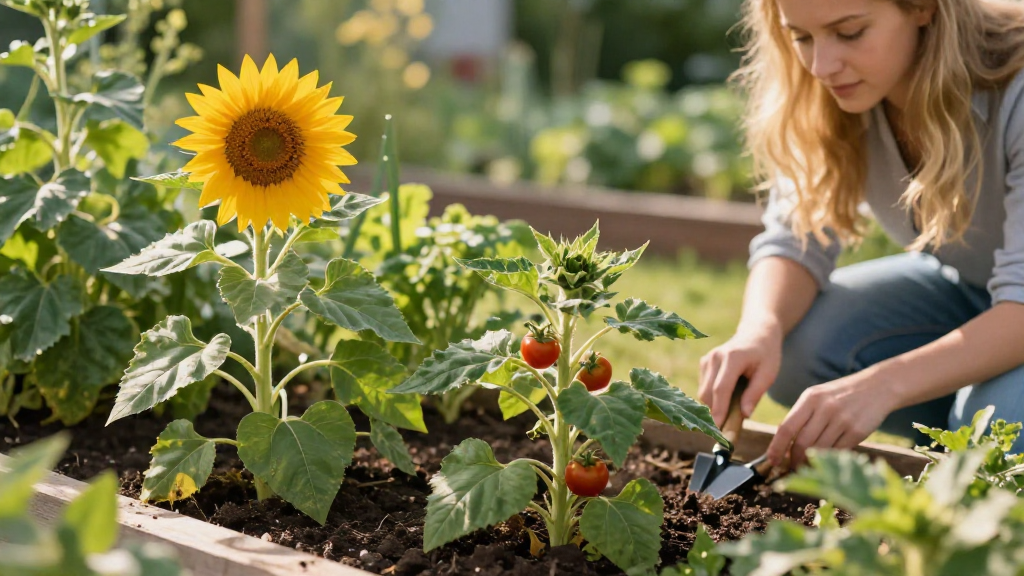
Identifying volunteer plants can transform your garden and reduce costs.
Gardening is not just a hobby; it’s an art that is intricately connected to nature.
Among the most intriguing aspects of gardening are volunteer plants.
But what exactly are they, and how can you identify them and use them effectively?
This comprehensive guide will answer these questions and provide valuable insights on how to identify volunteer plants.
What Are Volunteer Plants?
Volunteer plants are those that appear in your garden without intentional planting.
They can emerge from seeds that have dropped from previous plantings or from seeds brought by wind, birds, or other wildlife.
Because they grow spontaneously, volunteer plants can lead to unexpected delights in the garden.
However, it’s crucial to understand that not all volunteer plants are beneficial; some may be invasive or compete with your desired crops.
What are the Benefits of Volunteer Plants?
Identifying volunteer plants is important because they can provide numerous benefits, such as:
- Biodiversity: Volunteer plants increase the variety of species in your garden, encouraging a healthier ecosystem.
- Pest Control: Some volunteer plants can attract beneficial insects, helping to manage pest populations.
- Nutrient Recycling: They may enrich your soil by adding organic matter and nutrients.
- Cost-Effective Gardening: You can save money on seeds, as these plants appear naturally.
How to Identify Volunteer Plants
Understanding how to identify volunteer plants involves recognizing certain characteristics.
-
Familiarity with Common Plants:
Start by familiarizing yourself with plants commonly found in your region.
Look for local resources, such as gardening books or online databases, that detail native and invasive species.
Understanding your surroundings will make it easier to spot unexpected arrivals. -
Observe Leaf Shapes and Structures:
Leaf shapes, sizes, and textures vary greatly among plants.
Pay attention to details like:
- Leaf arrangement: Are they opposite or alternate?
- Leaf types: Are they simple or compound?
- Texture: Are they glossy, hairy, or smooth?
- Examine Flower Characteristics:
Flowers are distinctive and can help in identifying a plant.
Consider the following:
- Color: What colors are present?
- Shape: Are flowers tubular, daisy-like, or bell-shaped?
- Arrangement: Are the flowers clustered or solitary?
-
Check the Growth Habit:
The way a plant grows can provide clues about its identity.
Is it a climbing vine or a ground cover?
Is it a perennial or an annual?
Growth habits often indicate the category of the plant to which it belongs. -
Note the Habitat:
Where do these volunteer plants grow?
Are they in your vegetable garden, flower bed, or near a compost pile?
Different plants thrive in various conditions, which can help narrow your identification.
Where to Find Volunteer Plants?
Volunteer plants can be found in various locations, including:
- Garden Beds: Look for plants that sprout among your desired crops.
- Lawns: Even grass lawns can harbor surprising volunteers.
- Companion Planting Areas: In areas where you’ve previously planted herbs or flowers, volunteers are likely to emerge.
When Should You Identify Volunteer Plants?
Timing is crucial when it comes to how to identify volunteer plants.
It’s best to observe them early in the growing season when they are just beginning to sprout.
Identifying them in their juvenile stages allows you to make informed decisions about their future in your garden.
How to Decide If You Should Keep Them?
After identification, you need to evaluate whether these plants are beneficial for your space. Here’s how:
-
Assess Their Utility:
Are these plants edible?
Do they attract beneficial insects?
Do they contribute to your gardening goals?
If they serve a purpose, consider keeping them. -
Identify Potential Invasiveness:
Some volunteer plants can be invasive, choking out desirable plants.
Determine whether the plant is known to spread aggressively or outcompete others.
If so, you may want to remove them early on.
- Visual Appeal:
Do the plants add aesthetic value to your garden?
Sometimes, a plant’s beauty can justify its presence.
Make a choice based on both functionality and appeal.
How to Use Volunteer Plants in Your Garden?
Once you successfully identify volunteer plants and evaluate their usefulness, you can incorporate them into your garden in various ways:
-
Companion Planting:
Use volunteer plants to complement established crops.
Some may deter pests or enhance growth through beneficial relationships. -
Edible Uses:
Many volunteer plants are herbs or vegetables.
For example, if you find wild arugula or purslane, consider using them in your meals!
Ensure proper identification before consuming. -
Mulching:
If a volunteer plant is at risk of becoming invasive, consider using it as mulch.
Chop it down and let it decompose around your desired plants.
This can add nutrients to the soil. -
Research Uses:
Some volunteer plants have medicinal properties or can be used in crafting.
Take the time to research their potential uses.
How Do You Manage Volunteer Plants?
Managing volunteer plants is essential to maintain a balanced garden. Here are some effective strategies:
-
Regular Monitoring:
Keep a close eye on volunteers, especially as they mature.
This can prevent invasive species from taking over. -
Hand-Pulling:
For plants you prefer to remove, hand-pulling is effective, especially for young seedlings.
Make sure to pull them out before they set seeds. -
Mulching and Ground Cover:
Use mulch to suppress unwanted volunteer growth while encouraging beneficial varieties.
Ground covers can help compete with undesired species.
Conclusion
Understanding how to identify volunteer plants opens up a world of gardening possibilities.
You can embrace the unexpected beauty and functionality they bring to your space, all while contributing to a more biodiverse garden.
Take the time to observe, assess, and embrace volunteers that pique your interest.
They could be your garden’s next best-kept secret!
By applying these principles and strategies, not only will you be able to identify volunteer plants, but you will also be equipped to utilize them to create a thriving, vibrant garden ecosystem.
Happy gardening!