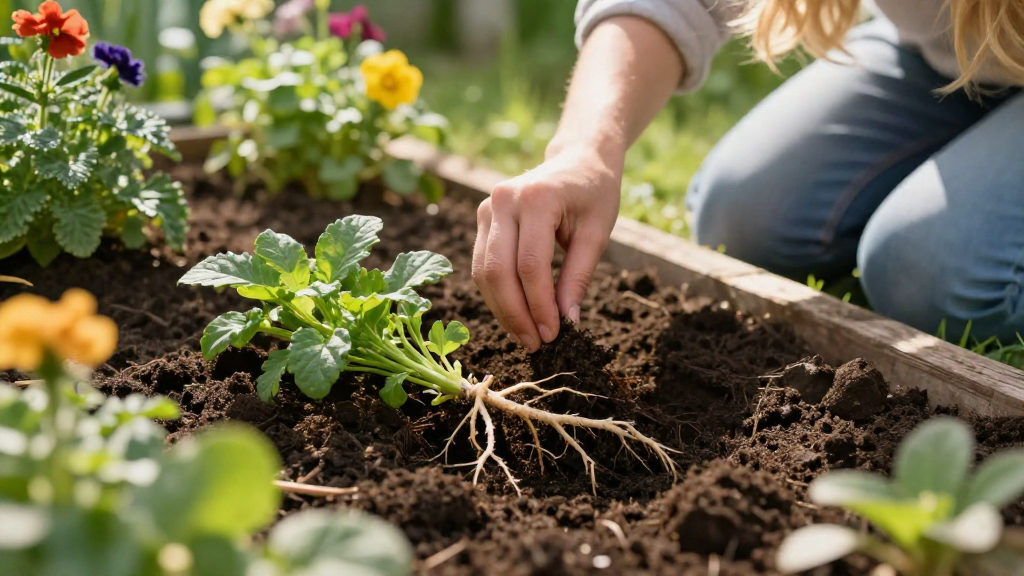
If you’re wondering how to improve garden soil, you’ve come to the right place!
Improving garden soil naturally not only enhances plant growth but also fosters a healthy ecosystem in your garden.
Why Is Garden Soil Important?
Garden soil plays a crucial role in the health and vitality of your plants.
Good soil provides essential nutrients, retains moisture, and encourages beneficial microbes.
Healthy garden soil leads to robust plants, which in turn produce more vibrant flowers and higher yields of vegetables.
How Can You Tell if Your Soil Needs Improvement?
Understanding the current state of your garden soil is the first step toward improving it.
Here are some indicators that your soil may need enhancement:
-
Poor drainage: If water pools on the surface after rain, it may be a sign of compacted soil.
-
Lack of earthworms: A dearth of these beneficial creatures indicates poor soil health.
-
Stunted plant growth: Plants that struggle to thrive are a clear signal that something is amiss.
-
Weed growth: Certain types of weeds can signal nutrient deficiencies in your soil.
What Are Natural Methods for Improving Garden Soil?
Now that you can assess the health of your soil, let’s explore effective ways to learn how to improve garden soil naturally.
Here are several methods to achieve this:
1. Add Organic Matter
Incorporating organic matter is one of the best ways to enhance soil quality.
-
Compost: Rich in essential nutrients, compost improves both structure and fertility.
-
Mulch: Applying a layer of mulch helps retain moisture and suppress weeds, while slowly breaking down to enrich the soil.
-
Manure: Well-rotted animal manure is a nutrient powerhouse that can boost soil health.
2. Use Cover Crops
Growing cover crops is a powerful method for restoring and enriching garden soil.
These plants—such as clover or rye—are not harvested but instead serve to:
-
Prevent erosion: Cover crops hold soil in place during rainfall.
-
Improve fertility: Many cover crops fix nitrogen, an essential nutrient, into the soil.
-
Suppress weeds: They help outcompete weeds, reducing the need for herbicides.
3. Practice Crop Rotation
Rotating your crops every season can prevent nutrient depletion and control pests and diseases.
Different plant families absorb different types of nutrients, so rotating helps maintain a balanced soil profile.
-
Legumes: Planting legumes like beans or peas can naturally enrich the soil with nitrogen.
-
Heavy feeders: Follow heavy feeders (like tomatoes) with nutrient scavengers (like leafy greens).
4. Incorporate Natural Amendments
Natural soil amendments can dramatically improve soil texture and fertility.
-
Peat Moss: A great way to improve soil acidity and moisture retention.
-
Bone Meal: An excellent source of phosphorus, which is vital for root growth.
-
Rock Phosphate: A slow-release source of phosphorus that supports flowering and fruiting.
5. Test Your Soil
Understanding what you’re working with makes it easier to customize your soil improvement strategies.
-
Soil Test Kits: Affordable kits are available to measure pH levels, nutrient deficiencies, and organic matter content.
-
Local extension services: Many universities offer free or low-cost soil testing services.
What Role Do Microorganisms Play?
Microorganisms are essential for healthy soil.
They help decompose organic matter, release nutrients, and enhance soil structure.
Here are a few strategies to foster a healthy microbiome in your garden soil:
-
Limit Pesticides and Herbicides: Chemicals can harm beneficial microbial populations.
-
Add Compost Tea: This nutrient-rich liquid can introduce beneficial microbes into your garden.
-
Encourage Biodiversity: Different plants attract various microorganisms, creating a thriving soil ecosystem.
How Often Should You Improve Your Garden Soil?
Soil health is not a one-time effort; it requires ongoing attention.
-
Annual Assessment: Test your soil at least once a year to understand its changing needs.
-
Seasonal Maintenance: Add organic matter and mulch in spring or fall.
-
Continual Observation: Keep an eye on plant performance and growth trends throughout the season.
Why Is Organic Gardening Better?
Many gardeners are curious about the advantages of organic gardening when learning how to improve garden soil.
-
Sustainability: Organic methods focus on sustainable practices that protect the environment.
-
Pest Resistance: Healthier soil leads to stronger plants that have better pest and disease resistance.
-
Nutrient-Rich Produce: Organic produce is often richer in nutrients and safer for consumption.
Conclusion: Your Path to Healthier Garden Soil
Improving garden soil naturally is an achievable goal that pays off in vibrant blooms and bountiful harvests.
By using methods such as adding organic matter, practicing crop rotation, and testing your soil, you can create a thriving environment for your plants.
Remember that how to improve garden soil is an ongoing journey.
Each step you take brings you closer to a thriving garden.
So start today and watch your garden flourish as you implement these natural practices!