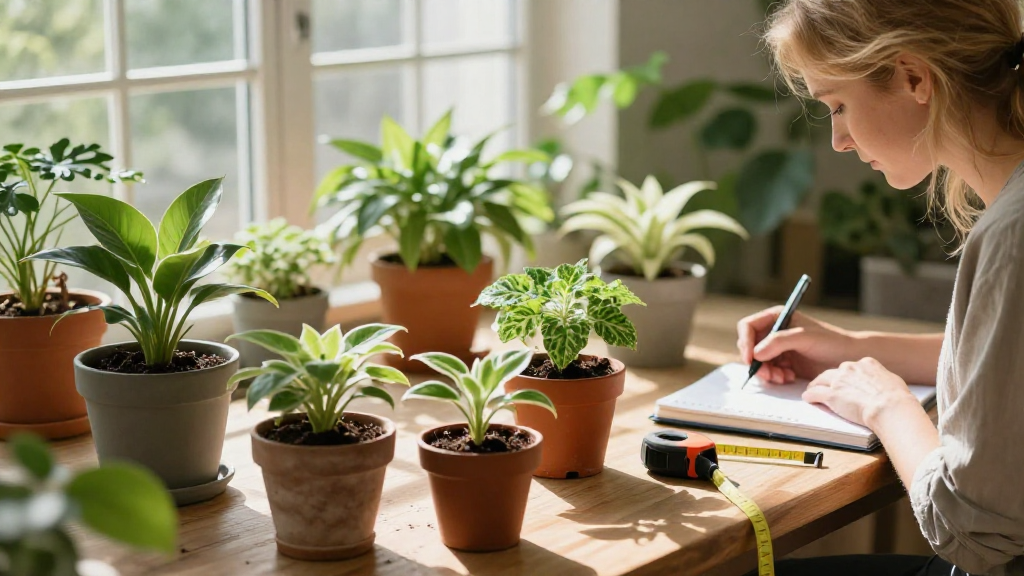
When it comes to growing your green friends, knowing how to keep track of plant growth can be essential for their health and development.
Growing plants can be rewarding, but tracking their progress manually can sometimes seem daunting. In this article, we will explore practical methods and creative techniques for monitoring plant growth without relying on modern applications.
Why Is It Important to Track Plant Growth?
Understanding how to keep track of plant growth is crucial for several reasons:
- Health Monitoring: Knowing how your plants are thriving can help you catch issues early.
- Optimal Conditions: Tracking growth can help you understand the environmental conditions your plants prefer.
- Effective Planning: Keeping records will enable you to make better decisions for future planting.
By keeping accurate records, you are more likely to correlate your plants’ progress with care habits, leading to better gardening practices.
What Simple Tools Can You Use?
Instead of apps, consider utilizing basic tools for tracking plant growth:
1. Journals and Notebooks
A dedicated plant journal is one of the simplest ways to document growth.
– Date of planting
– Species of the plant
– Watering schedule
– Daily or weekly notes on growth and health
This method not only helps with tracking plant height but also provides insights into growth patterns over time.
2. Measuring Tools
Using measuring tools can let you quantify growth effectively:
– Ruler or Tape Measure: Record the height of your plants regularly.
– Growth Chart: Create a simple chart to visualize changes over time with specific dates and measurements.
3. Photographs
Pictures are worth a thousand words!
– Take weekly or monthly photographs of your plants.
– Create a photo album or digital folder for easy reference.
This visual representation allows you to notice subtle changes which might not be apparent day-to-day.
How Often Should You Measure?
When learning how to keep track of plant growth, consistency is key.
Suggested Frequency:
- Daily Notes: Write down observations on plant color, health, and any new growth.
- Weekly Measurements: Use your measuring tool to check height or changes.
- Monthly Reviews: Analyze photos and notes to assess progress and make necessary adjustments.
This regular routine will help you stay engaged and informed about your plants.
What Factors Affect Plant Growth?
To effectively track growth, you need to understand the variables that impact it:
1. Light Conditions
- Ensure your plants receive adequate sunlight.
2. Watering Routines
- Keep track of your watering schedule, noting if your plants need more or less.
3. Soil Quality
- Monitor soil changes and consider re-potting if necessary.
4. Temperature and Humidity
- Check environmental conditions. Extreme changes can inhibit growth.
5. Fertilization
- Note when and what type of fertilizers you apply, as this can significantly affect development.
By noting these factors, you will gain a better understanding of how to keep track of plant growth effectively.
How Do You Identify Growth Stages?
Understanding plant growth stages helps simplify tracking. Here are the typical stages:
1. Germination
- This is where seeds sprout, and you need to monitor soil moisture.
2. Seedling Stage
- Young plants typically require more attention in terms of light and watering.
3. Vegetative Stage
- Rapid growth occurs here, and it’s crucial to support their needs.
4. Flowering and Fruiting
- Track flowering times, fruit production, and signs of stress or disease.
Use a checklist to note the milestones in each stage so that you are always aware of where your plants are in their growth journey.
How Can You Engage Children in Tracking Plant Growth?
If you want to teach kids about gardening and tracking, consider this:
- Plant Diary: Let them keep a journal with drawings or daily observations.
- Measure Together: Involve kids in measuring plant growth to spark their interest.
- Creative Crafts: Use stickers or colored markers to encourage note-taking.
This engagement not only teaches them how to keep track of plant growth but can cultivate a passion for nature as well.
Are There Creative Methods to Track Growth?
Absolutely! Here are some fun and creative ideas:
1. Growth Chart on the Wall
Draw a growth chart on the wall with a marker, adding heights monthly.
2. Plant Markers
Use plant markers that you can write on to indicate growth stages or changes.
3. Digital Frame for Photos
If you have digital photos, consider using a digital photo frame to create a sliding presentation showing your plants’ growth over time.
These methods add creativity to the recording process, making it more enjoyable.
What Should You Do If Growth Is Stunted?
If you notice stunted growth, don’t panic. Here’s what to assess:
- Check for Pests: Look closely for any insects or disease.
- Review Care Routine: Assess if you’ve been consistent with watering and feeding.
- Assess Light Needs: Make sure your plants are in optimal light conditions.
- Repot if Necessary: Sometimes roots can become bound; consider repotting into larger containers.
Being observant helps you identify problems early, leading to solutions that encourage healthy plant growth.
Conclusion: Make Tracking Part of Your Routine
By now, you should feel confident in your ability to understand how to keep track of plant growth without using apps.
With simple tools such as journals, photography, and measurement, you have everything you need to monitor your plants effectively.
Engaging children in this process can also enhance their learning experience and create a lifelong passion for gardening.
Remember, the joy of gardening lies in the journey, and tracking plant growth allows you to celebrate each step of that journey!
Recap:
- Use simple tools like journals, measuring tapes, and photographs.
- Stay consistent with your frequency of updates.
- Understand factors that affect plant growth.
- Introduce creative methods for fun tracking.
With these strategies in your toolkit, you’re all set for a thriving gardening adventure! Happy growing!