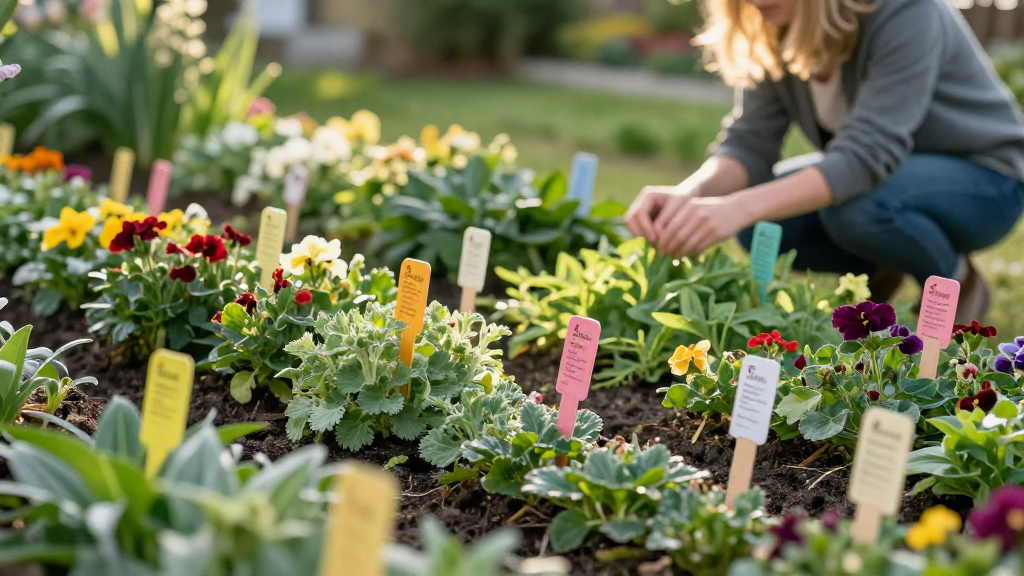
Labeling garden plants is crucial for an organized and thriving garden.
Whether you are a passionate gardener or just starting out, understanding how to label garden plants can help you keep track of your garden’s diverse specimens.
Why Is It Important to Label Your Garden Plants?
Proper labeling in your garden offers several benefits:
- Identification: Helps you recognize different plant varieties.
- Care Instructions: Reminds you of specific care needs for each plant.
- Organizational Clarity: Keeps your garden aesthetically pleasing.
- Learning: Enhances your knowledge about various plants.
Without clear labels, it can become challenging to remember which plant is which, especially as your garden grows and flourishes.
What Materials Can You Use for Plant Labels?
When considering how to label garden plants, choosing the right materials is key. Here are some popular options:
- Wooden Tags:
- Easy to make or purchase.
-
Can be painted or carved for a personalized touch.
-
Plastic Markers:
- Durable and weather-resistant.
-
Available in various colors and sizes.
-
Metal Labels:
- Long-lasting and withstand harsh weather.
-
Can have nameplates attached or be engraved.
-
Biodegradable Labels:
-
Eco-friendly options made from materials like bamboo, recycled paper, or plant-based plastics.
-
Chalkboard Labels:
- Fun and reusable.
- Can be written on with chalk or erasable markers.
How Should You Design the Labels?
Once you have selected a material, think about the design of your plant labels.
Here are some tips on creating effective labels:
- Keep It Simple:
- Use clear, easy-to-read fonts.
-
Limit text to the plant’s name and key care notes.
-
Size Matters:
-
Ensure labels are large enough to read but not too bulky to clutter your garden.
-
Weatherproofing:
-
Consider sealing labels to protect them from moisture and sun exposure.
-
Color Coding:
- Use different colors for various plant types or sections of your garden for easy navigation.
What Should You Include on the Labels?
When figuring out how to label garden plants, you may want to keep it simple or include detailed information.
Here are some common details to consider:
- Plant Name:
-
Common name and scientific name (if desired).
-
Planting Date:
-
Helps you track growth and care schedules.
-
Care Instructions:
-
Watering frequency, sunlight requirements, or special care notes.
-
Growth Size:
- An estimate of how tall or wide the plant will grow can be helpful for spacing.
How Can You Ensure Your Labels Are Neat?
Maintaining a neat appearance in your garden is crucial. Here are some practical tips on how to label garden plants without creating a mess:
- Consistent Placement:
-
Place labels next to the base of the plants, consistent across the garden.
-
Aligning Labels:
-
Ensure that all labels face the same direction for a tidy look.
-
Clean Surface:
-
Clean the area where the label will go to ensure it adheres well and looks good.
-
Use Straight Lines:
- If you are digging into the soil, create straight lines for neatness.
How Often Should You Update Your Labels?
As your garden evolves, there will be times when you’ll need to update your labels. Here’s when you should consider making changes:
- New Plant Varieties:
-
Add new labels for new plants.
-
Plant Growth:
-
If a label becomes illegible due to wear, replace it promptly.
-
Relocation:
- If you move plants to different sections or beds, update the labels accordingly.
What Creative Labeling Ideas Can You Explore?
If you want to spice things up while learning how to label garden plants, consider these creative ideas:
- DIY Painted Stones:
-
Use smooth stones and paint plant names on them for a rustic look.
-
Wine Corks:
-
Write names on wine corks and stick them into the soil.
-
Garden Stakes:
-
Create personalized stakes using popsicle sticks or other wood pieces.
-
Upcycled Items:
- Use old spoons, forks, or other utensils to create unique labels.
Conclusion
With a thoughtful approach to labeling, you can easily learn how to label garden plants in a clear and neat manner.
Utilizing various materials and ensuring consistency in design will not only enhance the organization of your garden but also deepen your relationship with the plants that grace your growing space.
Incorporate creative elements and be mindful of upkeep, and you will create a stunning and manageable garden!
Happy gardening!