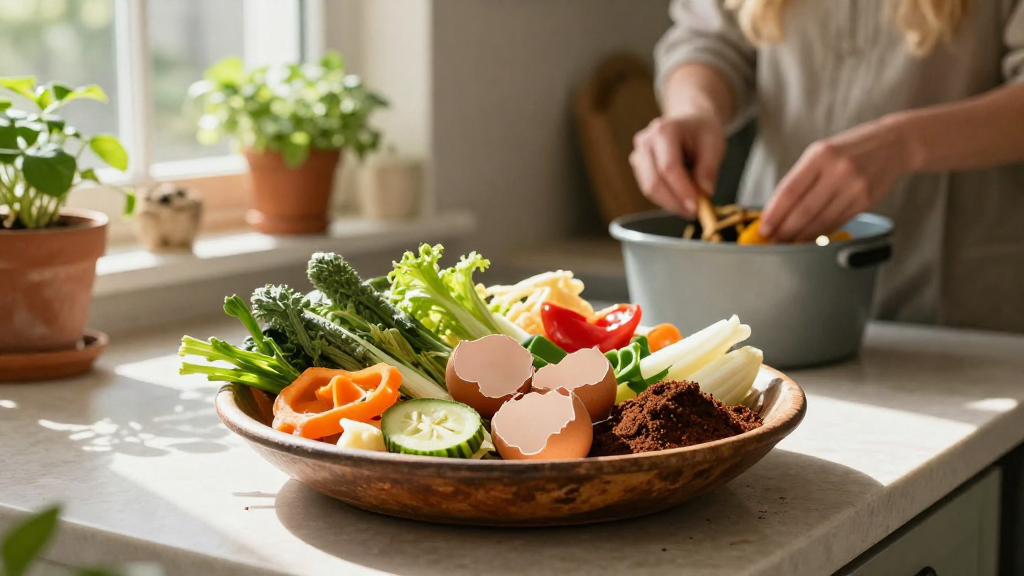
Making your own natural fertilizer from kitchen waste is not only eco-friendly but also a fantastic way to nourish your garden.
In this article, you will learn how to make natural fertilizer efficiently, using ingredients that would typically go to waste.
What Kitchen Waste Can Be Used?
Utilizing kitchen scraps for fertilizer can significantly reduce your waste footprint while providing essential nutrients to your plants. Here are some great options:
- Vegetable Peels: Carrots, potatoes, and onions.
- Fruit Scraps: Apple cores, banana peels, and citrus rinds.
- Coffee Grounds: Add nitrogen while improving soil structure.
- Eggshells: They provide calcium and improve plant growth.
- Herbs and Spices: Old and unused herbs can enrich your garden.
By using these common kitchen items, you can create a nutrient-rich fertilizer that will benefit your garden tremendously.
Why Should You Make Natural Fertilizer?
Creating your own natural fertilizer from kitchen waste has several benefits:
- Cost-Effective: No need to purchase chemical fertilizers.
- Eco-Friendly: Reduces waste and promotes sustainability.
- Nutrient-Rich: Provides essential minerals and nutrients directly to your plants.
- Safe: Free from harmful chemicals often found in commercial fertilizers.
By understanding how to make natural fertilizer, you can ensure your garden thrives while also helping the environment.
How Do You Prepare Kitchen Waste for Fertilizer?
To effectively make natural fertilizer from kitchen scraps, preparation is key. Follow these steps:
-
Collect Your Kitchen Waste: Set up a separate container for scraps while cooking.
– Use a compost bin or a designated trash bag. -
Chop or Blend: Cut larger scraps into smaller pieces to speed up the decomposition process.
– A blender can be handy for making a pulp of soft fruits and vegetables. -
Mix with Carbon-Rich Materials: Combine your kitchen waste with carbon-rich materials (brown items) like dried leaves or cardboard.
-
Turn Your Pile: Regularly turn your compost pile to aerate it. This helps bacteria break down the organic matter faster.
What Are the Different Methods to Make Natural Fertilizer?
There are various effective methods to make natural fertilizer from kitchen waste. Here are some popular options:
-
Composting: The most common method, it involves stacking kitchen scraps with carbon-rich materials. Over time, microbial action will decompose the waste into nutrient-rich compost.
-
Vermicomposting: This method uses earthworms to accelerate the decomposition of kitchen scraps. The castings produced are highly nutritious for plants.
-
Bokashi Fermentation: This method employs a bran mixture that ferments kitchen waste quickly, breaking it down into a usable liquid fertilizer.
-
Liquid Fertilizer: Soaking kitchen scraps in water for a few days can create nutrient-rich plant food.
How Long Does It Take to Create Natural Fertilizer?
The time it takes to make natural fertilizer will depend on the method being used.
-
Composting: Typically takes 2 to 3 months but can be quicker with proper aeration and balancing green and brown materials.
-
Vermicomposting: Generally takes about 6 to 8 weeks.
-
Bokashi: Only a few weeks for fermentation, but you’ll need to bury the waste for at least 2-4 weeks after.
-
Liquid Fertilizer: Ready in about 1 to 2 weeks.
By knowing the timelines, you can plan your garden’s nutrition better.
How to Use Natural Fertilizer in Your Garden?
Once you have created your natural fertilizer, it’s essential to know how to use it effectively. Here are some guidelines:
-
For Garden Beds: Mix compost into the soil before planting new flowers or vegetables.
-
As Plant Food: Use liquid fertilizer by diluting it with water (1:10 ratio) and applying it to the base of plants.
-
Mulching: Spread compost around the base of your plants as mulch. This helps retain moisture and suppress weeds.
-
Seasonal Application: Reapply your natural fertilizer every season to ensure your plants have a continuous nutrient supply.
By integrating these techniques, your plants absorb the nutrients effectively.
What Are Common Mistakes When Making Natural Fertilizer?
While learning how to make natural fertilizer, it’s crucial to avoid common pitfalls:
-
Not Maintaining Proper Ratios: A balance of green (nitrogen-based) and brown (carbon-based) materials is crucial for effective composting.
-
Ignoring Aeration: Failing to turn your compost pile can lead to a smell and slower decomposition.
-
Using Incorrect Ingredients: Avoid animal products, oils, and dairy, as they can attract pests and cause odors.
-
Skipping Moisture Management: Make sure your compost is damp but not soggy. Moisture is essential for microbial activity.
By being mindful of these mistakes, you can create a more successful natural fertilizer.
How Can You Enhance Homemade Fertilizer?
Enhancing your homemade fertilizer can provide additional benefits:
-
Add Manure: Incorporating aged manure can boost the nutrient levels significantly.
-
Use Activated Charcoal: Adding this can improve soil structure and retain nutrients.
-
Incorporate Molasses: A small amount of molasses can encourage beneficial bacteria.
-
Include Seaweed: Seaweed can provide trace minerals and promote plant growth.
Conclusion: How to Make Natural Fertilizer Easily
Now that you understand how to make natural fertilizer from kitchen waste, you are ready to put these practices into action.
Using food scraps not only benefits your plants but also helps the environment by reducing waste.
Start collecting your kitchen waste today and begin enriching your garden with homemade nourishment!
Remember, every scrap counts when it comes to creating a sustainable and thriving gardening ecosystem!