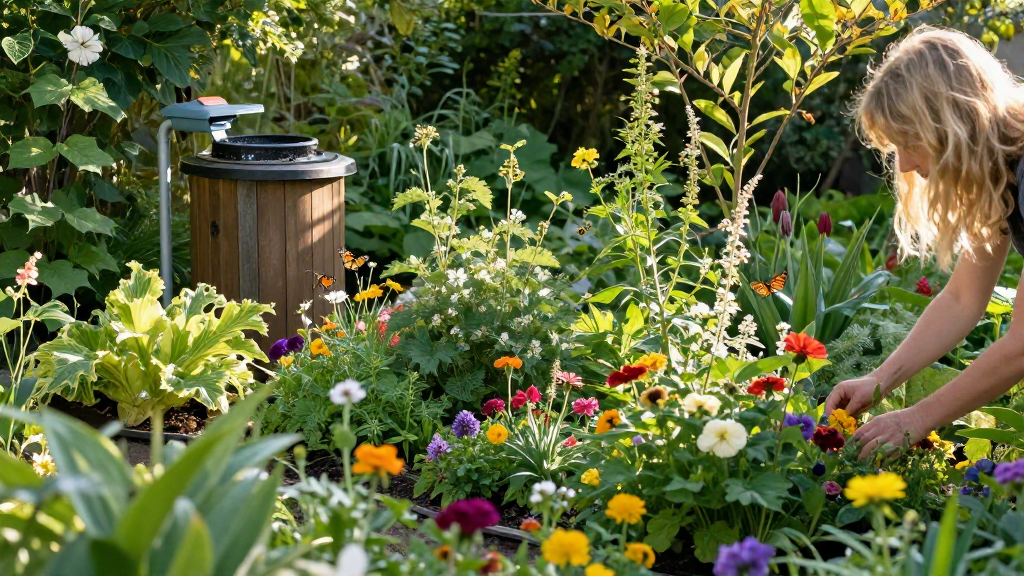
In today’s world, many people seek ways to reduce their environmental footprint, and knowing how to make your garden eco-friendly is a fantastic starting point.
An eco-friendly garden not only benefits the planet but also enhances the aesthetic value of your home and offers a serene space for you and your family.
What are the Key Principles of Eco-Friendly Gardening?
Understanding the key principles will guide you as you embark on the journey to create a sustainable garden.
-
Soil Health: Ensure your soil is rich in nutrients by adding organic matter like compost and mulch.
-
Water Conservation: Implement methods like drip irrigation or rainwater harvesting to conserve water.
-
Native Plants: Choose plants native to your region as they require less water and care.
-
Biodiversity: Encourage a variety of plants and wildlife to create a balanced ecosystem.
-
Natural Pest Control: Use organic methods to keep pests at bay instead of synthetic chemicals.
By adhering to these principles, you’ll be well on your way to making your garden eco-friendly.
How Can You Reduce Water Waste in Your Garden?
Watering your garden efficiently is one of the most crucial aspects of cultivating an eco-friendly space.
Here are some strategies:
-
Drip Irrigation: Install a drip irrigation system to deliver water directly to the roots, minimizing evaporation.
-
Rain Barrels: Collect rainwater for irrigation purposes. This not only conserves water but also utilizes a natural resource.
-
Mulching: Apply a layer of mulch around your plants to retain soil moisture and reduce water evaporation.
-
Drought-Resistant Plants: Incorporate drought-tolerant species. They require less water once established.
By implementing these techniques, you’ll contribute significantly to water conservation and learn how to make your garden eco-friendly.
Which Plants are Best for an Eco-Friendly Garden?
Choosing the right plants is key to developing an environmentally friendly garden.
Consider the following options:
-
Native Plants: These plants are adapted to the local climate and soil, making them easier to care for and less resource-intensive.
-
Perennials: Unlike annuals, perennials return year after year, reducing the need for replanting.
-
Pollinator-friendly Plants: Flowers like echinacea and milkweed attract bees and butterflies, which are vital for pollination.
-
Edible Plants: Growing your own fruits and vegetables not only cuts down on carbon emissions from transportation but also promotes sustainability.
Choosing plants wisely is a major step in how to make your garden eco-friendly.
How Can You Promote Wildlife in Your Garden?
An eco-friendly garden should also be a haven for wildlife. Here are some ways to enhance biodiversity:
-
Birdhouses and Feeders: Attract birds that help control pests by providing homes and food sources.
-
Insect Hotels: Create habitats for beneficial insects like bees and ladybugs.
-
Water Features: Adding a small pond or birdbath can attract amphibians and provide hydration for various species.
-
Avoid Chemicals: Stay away from pesticides and herbicides that can harm not just pests but beneficial creatures as well.
By accommodating local wildlife, you’re contributing to the ecosystem while learning how to make your garden eco-friendly.
What Are Effective Natural Pest Control Methods?
Managing pests naturally is essential for an eco-friendly garden. Below are some effective techniques:
-
Companion Planting: Certain plants, when grown together, can repel pests. For instance, marigolds can deter nematodes.
-
Neem Oil: This natural insecticide disrupts the life cycle of various pests without harming beneficial insects.
-
Garlic Spray: Homemade garlic sprays can repel many common pests naturally.
-
Beneficial Insects: Introduce ladybugs or lacewings, which feed on common garden pests like aphids.
Utilizing these methods can help you manage pests while keeping your garden environment-friendly.
How Important is Composting for Eco-Friendly Gardening?
Composting is a cornerstone of sustainable gardening practices and is key to understanding how to make your garden eco-friendly.
Here’s why composting matters:
-
Nutrient-Rich Soil: Compost adds essential nutrients to the soil, improving plant growth.
-
Waste Reduction: Composting yard waste and kitchen scraps reduces landfill waste.
-
Improved Soil Structure: Compost enhances soil structure, leading to better water retention and aeration.
-
Reduced Chemical Use: With nutrient-rich compost, you’ll rely less on chemical fertilizers.
To start composting, consider setting up a designated bin in your yard.
You can include items such as vegetable peels, grass clippings, and coffee grounds.
How Do You Create a Sustainable Garden Layout?
A thoughtful garden layout contributes significantly to sustainability.
Here are some tips for planning an eco-friendly design:
-
Zoning: Place high-water plants closer to the irrigation source and drought-tolerant plants further away.
-
Raised Beds: Raised garden beds can improve drainage and soil health.
-
Pathways: Create pathways using permeable materials to allow rainwater to seep into the soil.
-
Windbreaks: Use taller plants or fences to block wind and protect delicate plants.
By carefully planning your garden layout, you’ll enhance its viability and sustainability.
What Resources are Available for Eco-Friendly Gardening?
Educating yourself further on how to make your garden eco-friendly can significantly improve your gardening knowledge.
Consider these resources:
-
Local Extension Services: Many areas offer horticultural advice tailored to your region.
-
Gardening Books: Look for books that focus on organic gardening and sustainable practices.
-
Online Communities: Join forums or social media groups focused on sustainable gardening.
-
Workshops: Participate in local workshops or classes to enhance your gardening skills.
With the right information at your fingertips, you can make informed decisions for your eco-friendly garden.
Conclusion
Creating an eco-friendly garden is not just a trend; it’s a vital contribution to our environment.
By learning how to make your garden eco-friendly, you can create a lush, sustainable retreat that benefits you and the planet.
From selecting native plants to practicing effective pest control, every step you take enhances not only your garden but also the ecosystem around you.
Make your choice today to cultivate a beautiful, eco-conscious garden!