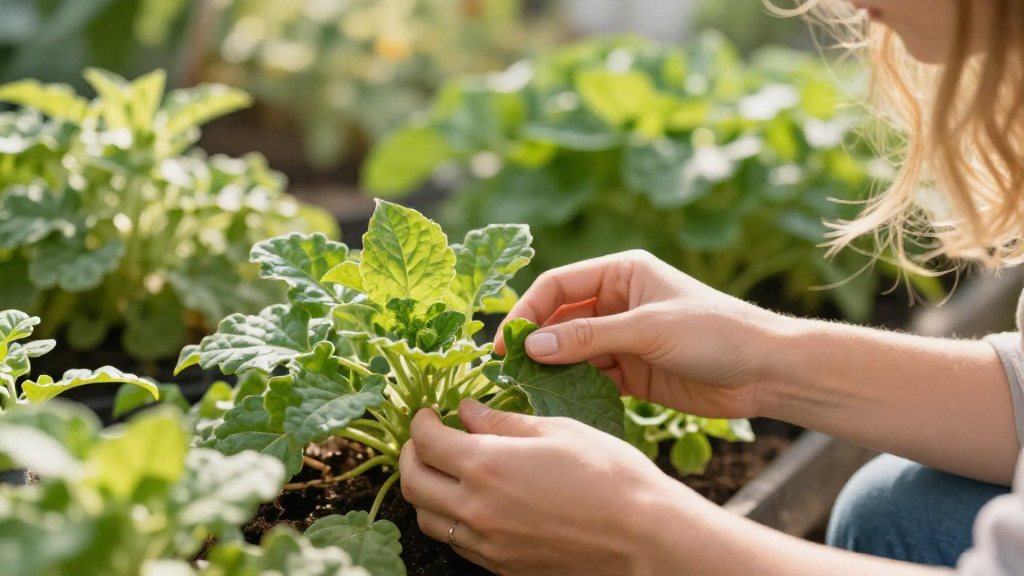
Learning how to pinch plants is a simple yet effective technique that promotes healthier, bushier growth in many indoor and outdoor plants.
By regularly pinching back the tips of stems, you can stimulate new growth, leading to a fuller and more vibrant plant. In this article, we will explore the best practices, types of plants that benefit from pinching, and the timing required for optimal results.
What Does “Pinching” Mean in Plant Care?
Pinching is the act of removing the tips of plants, specifically the growing points, which encourages branching and denser foliage. This technique can be applied to:
- Herbaceous plants
- Shrubs
- Certain houseplants
By following the proper techniques, you can maximize the benefits of pinching.
Why Should You Learn How to Pinch Plants?
Understanding how to pinch plants can benefit your gardening efforts in several ways.
Here are some reasons to embrace this technique:
-
Promotes Bushier Growth: By removing the top growth, the plant will branch out, resulting in a fuller appearance.
-
Enhances Flowering: Pinching back certain flowering plants can lead to more blooms, as plants divert energy from vertical growth to producing flowers.
-
Improves Airflow: Thinning out the top growth can improve airflow within the plant, helping to prevent diseases caused by humidity.
-
Encourages Side Growth: This technique encourages the growth of lateral branches, creating a robust structure.
When Is the Best Time to Pinch Plants?
Timing is crucial when learning how to pinch plants. Generally, it’s best to pinch plants during the growing season, which varies by plant type.
For most plants, the optimal times are:
- Spring: As new growth begins, it’s an ideal time to pinch back young plants.
- Early Summer: Mid-season pinching can prompt a second wave of growth and blooms.
Keep in mind that pinching can be stressful for plants, so avoid doing it during extreme heat or cold, which may hinder their recovery.
Which Plants Benefit from Pinching?
Many plants thrive with regular pinching. Here are some types of plants that typically respond well:
1. Herbs
- Basil: Pinch back the tips to encourage a bushy plant and prevent flowering too early.
- Mint: Regular pinching promotes a fuller growth habit and more leaves.
2. Flowering Plants
- Chrysanthemums: Pinching in early summer can result in a bushier plant with more flowers.
- Asters: Regular pinching will encourage blooms to appear later in the season.
3. Houseplants
- Pothos: Pinching can help maintain a fuller arching shape.
- Ficus: By pinching the tips, you can encourage branching.
How to Pinch Plants Effectively?
Now that you know when and which plants to pinch, let’s discuss the steps on how to pinch plants for optimal results.
Step 1: Gather Your Tools
While you can use your fingers for pinching, having the right tools makes the process easier:
- Sharp scissors or pruning shears: These will give you a clean cut.
- Gloves: If you are working with thorny plants or want to protect your hands.
Step 2: Identify the Growth Point
Look for the spot on the plant where you want to pinch. Pinching typically happens at:
- The top of the current growth
- Just above a leaf node, which will encourage side shoots
Step 3: Pinch Responsively
Once you’ve identified the growth point, follow these guidelines:
- Use your fingers or scissors to remove about one inch of new growth.
- Ensure you are pinching just above a pair of leaves or nodes, which will promote new growth.
Step 4: Clean the Tools
After you’re done pinching, make sure to clean your tools. This prevents the spread of diseases among your plants.
What to Do After Pinching Plants?
After you have pinched back your plants, it’s essential to provide adequate care:
-
Watering: Ensure your plants receive sufficient water, as pinching can stress them out.
-
Fertilizing: Consider a balanced fertilizer to provide the added nutrients necessary for recovery and new growth.
-
Light: Place your plants in a location with adequate light, but avoid direct sunlight immediately after pinching to minimize stress.
Is Pinching the Same as Pruning?
While both pinching and pruning involve removing sections of a plant, they are not the same. Here’s a quick comparison to clarify:
-
Pinching: Typically involves removing new growth and is often done to encourage bushiness or flowering. It is usually a more gentle approach.
-
Pruning: Involves cutting back established growth and older branches to shape the plant, improve health, or remove dead or diseased parts.
Final Thoughts on How to Pinch Plants for Optimal Growth
Learning how to pinch plants is a valuable skill for any gardener. It can enhance the beauty of your plants while promoting healthier growth. Regularly pinching back new growth not only helps in achieving a bushier appearance but also contributes to more vibrant flowers.
This simple technique is accessible to everyone, from beginners to seasoned gardeners.
By following the steps laid out in this guide, you can ensure your plants thrive and flourish. Remember to monitor their health post-pinch and adjust your care as needed to keep them looking their best.
Happy gardening!