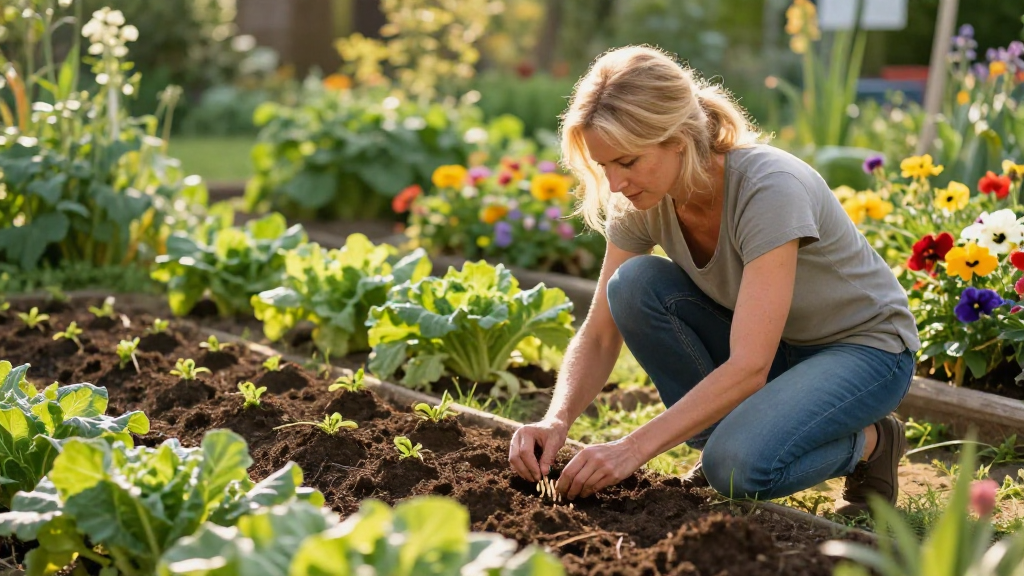
If you’ve ever wondered how to plan for succession planting, you’re not alone! This gardening technique can maximize your yield and help you enjoy a bountiful harvest throughout the growing season.
What is Succession Planting?
Succession planting is a gardening strategy that involves sowing seeds or transplanting seedlings at intervals to ensure a continuous supply of crops over time.
Instead of planting everything all at once, you can space out your plantings for ongoing harvests.
This technique is especially useful for fast-growing crops, such as leafy greens, radishes, and herbs, which can be harvested multiple times in a season.
Why Should You Consider Succession Planting?
Planning for succession planting can have numerous benefits, including:
-
Maximized Yield: By staggering plantings, you can optimize your garden space and improve harvest quantities.
-
Fresh Produce for Longer: Instead of getting a single, large harvest, you can enjoy a steady supply of fresh vegetables and herbs.
-
Better Pest Management: Staggering planting times can help reduce pest populations as their life cycles can be disrupted.
-
Variety: You can experiment with different crop varieties and timings, making gardening more exciting.
How to Plan for Succession Planting?
Now that you understand the basics of succession planting, let’s get into how to plan for succession planting effectively! Here are some key steps to consider:
1. Choose Your Crops Wisely
Not all plants are well-suited for succession planting.
Focus on fast-growing varieties or those that can be harvested at different stages.
Good choices for succession planting include:
- Leafy greens (lettuce, spinach, kale)
- Radishes
- Beans
- Carrots
- Herbs (cilantro, basil)
2. Create a Planting Schedule
To successfully implement how to plan for succession planting, create a timeline for your gardens.
This schedule should include when to plant new seeds or seedlings.
Consider the following:
-
Days to Maturity: Check the seed packets or gardening resources to know how long each crop takes to mature.
-
Seasonality: Take note of which crops are best suited for your climate during each season.
Example Schedule:
| Week | Crop |
|---|---|
| 1 | Lettuce |
| 2 | Radishes |
| 3 | Spinach |
| 4 | Beans |
| 6 | Second round of Lettuce |
| 8 | Carrots |
3. Prepare Your Garden Layout
An effective garden layout is vital for how to plan for succession planting.
Here are some tips to help you create a functional design:
-
Divide Your Garden: Use small sections to plant crops at different times.
-
Companion Planting: Group plants that thrive together to maximize plant health and growth.
-
Row Rotation: Rotate crops each season to improve soil health and suppress certain pests.
4. Consider Your Space and Resources
Make sure to assess your available space, available sunlight, and resources, including:
-
Soil Quality: Ensure your soil is rich in nutrients and ready for planting.
-
Water Supply: Plan for irrigation methods, whether it’s a drip system or regular hand watering.
-
Tools: Prepare essential gardening tools for planting and maintenance.
5. Monitor and Adjust
Success in gardening can often depend on your ability to adapt.
Keep an eye on your plants as they grow and be ready to adjust your plans as needed.
Consider the following:
-
Pest Issues: If pests become a problem, you may need to modify your planting schedule or change your crops.
-
Weather Conditions: Unpredictable weather can affect planting times and crop health.
-
Harvest Timings: Adjust your schedule based on actual harvest timings.
How to Time Your Plantings?
A vital component of how to plan for succession planting is knowing when to plant crops.
Here are some methods to help you determine optimal planting times:
1. Follow Planting Zones
Every garden exists within specific climate zones that dictate the best planting times.
Research your gardening zone to determine when to sow seeds.
2. Observe Frost Dates
Knowing the average last frost date in spring and first frost date in autumn is crucial.
Consequently, you can plan your garden around these dates to avoid damage from frost.
3. Utilize a Gardening Calendar
A garden calendar can be incredibly useful for tracking planting times, growing phases, and harvest dates.
These calendars often provide insights based on region and climate.
What to Grow Throughout the Seasons?
Planning for succession planting also means knowing what to grow throughout different seasons.
Here are some crop suggestions for each time of year:
Spring:
- Lettuce
- Radishes
- Peas
Summer:
- Beans
- Tomatoes
- Squash
Fall:
- Kale
- Carrots
- Beets
Winter:
- Garlic
- Cover Crops (to improve soil health)
Common Mistakes to Avoid
When planning for succession planting, be sure to avoid these common pitfalls:
-
Overcrowding: Avoid planting too many seeds in one area; it can lead to poor growth.
-
Neglecting Soil Quality: Regularly amend your soil for nutrients.
-
Missing Out on Seasons: Don’t forget to continue planting as one crop is harvested.
Conclusion
In conclusion, knowing how to plan for succession planting can transform your garden from a single-burst harvest to a continuous source of fresh produce.
By carefully selecting your crops, creating a planting schedule, and monitoring your garden, you can ensure a thriving landscape all year round.
Remember, each gardening experience is unique, and your success will come with practice and adjustment.
So grab your seeds, and start planning for a garden filled with ongoing harvests!