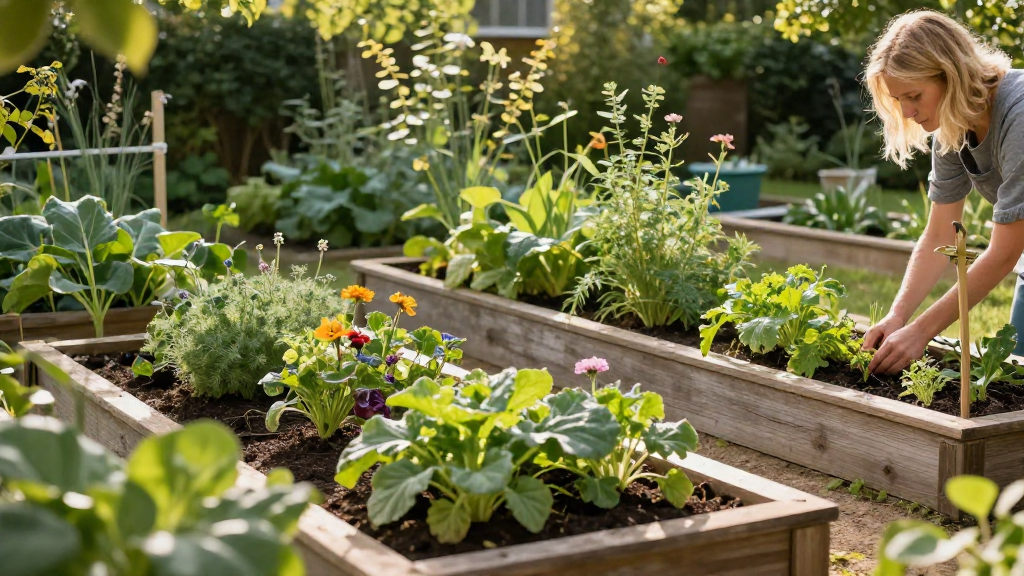
Are you eager to learn how to practice permaculture gardening at home?
In recent years, permaculture gardening has gained traction as a sustainable and eco-friendly method of growing food.
This practice focuses on designing agricultural systems that work in harmony with nature, ensuring environmental sustainability and healthy food production.
In this article, we will delve into practical tips on how to practice permaculture gardening at home, enabling you to create a thriving and sustainable garden.
What is Permaculture Gardening?
Permaculture gardening is more than just gardening; it’s a holistic approach to land management that seeks to integrate human activity with natural ecosystems.
It emphasizes the following principles:
- Care for the earth: Protecting the planet by maintaining its ecosystems.
- Care for people: Ensuring everyone has access to food, water, and resources.
- Fair share: Distributing surplus resources to benefit others and balance ecosystems.
By understanding and applying these core values, you will be well-prepared to learn how to practice permaculture gardening at home.
How Do You Start a Permaculture Garden?
Starting a permaculture garden can seem overwhelming, but breaking it down into manageable steps can help you get started.
Here’s what you need to begin learning how to practice permaculture gardening:
-
Observe and Assess Your Space
– Take time to study your garden’s sunlight, wind patterns, water drainage, and existing flora and fauna.
– Note the types of soil, shade, and microclimates, as these will influence your gardening decisions. -
Design Your Garden Layout
– Create zones based on accessibility and how often you need to tend different plants.
– Consider placing perennial plants closer to your home for easy access.
– Use natural contours of the land for efficient water management with swales or terraces. -
Choose the Right Plants
– Opt for native plant species that are adapted to your local climate and soil conditions.
– Incorporate a mix of annuals and perennials for continuous harvests.
– Include companion plants that enhance growth, deter pests, and improve soil health. -
Build Healthy Soil
– Start with a quality compost that adds nutrients and improves soil structure.
– Take advantage of mulching to retain moisture, suppress weeds, and feed the soil.
– Practice crop rotation and intercropping to maintain nutrient balance. -
Water Wisely
– Implement techniques like rainwater harvesting and drip irrigation to conserve water.
– Create moisture-retaining features like swales or ponds to mitigate runoff. -
Integrate Animals
– If possible, consider adding chickens, bees, or goats to your permaculture system.
– They can help with pest control, pollination, and provide natural fertilizers.
What Plants Are Best for Permaculture Gardening?
Choosing the right plants is one of the most crucial aspects of how to practice permaculture gardening successfully. Here are some excellent options:
-
Perennials:
These plants come back year after year and can save you time and effort.
Examples include asparagus, rhubarb, mint, and fruit trees. -
Nitrogen Fixers:
Plants like clover or beans can improve soil nitrogen levels, benefiting surrounding plants. -
Pollinator Attractors:
Incorporate flowers like lavender or sunflowers to draw in bees and butterflies. -
Dynamic Accumulators:
Plants such as comfrey and yarrow draw up nutrients from deep within the soil, enriching the surrounding areas.
By selecting a variety of these plants, you can create a balanced ecosystem that aligns with the permaculture philosophy.
How Do You Care for Your Permaculture Garden?
After you have established your garden, it’s crucial to maintain it correctly. Here’s how:
-
Mulching:
Use organic matter like straw, leaves, or wood chips to reduce moisture evaporation and suppress weeds. -
Companion Planting:
Understand which plants thrive together and use this knowledge to maximize growth and deter pests.
For instance, planting basil alongside tomatoes can improve flavor and repel harmful insects. -
Regular Observation:
Keep an eye on how your plants interact.
Look for signs of pests, diseases, and nutrient deficiencies. -
Grow Ground Covers:
Choose low-growing plants like creeping thyme or clover to minimize soil erosion and limit weed growth. -
Seasonal Adjustments:
During different seasons, adapt your gardening techniques.
This includes adjusting water needs and potentially planting cover crops during the off-season.
Can You Incorporate Permaculture Practices Indoors?
Absolutely! You can adapt how to practice permaculture gardening to indoor spaces, whether it’s a small apartment balcony or a comprehensive indoor garden.
-
Container Gardening:
Use pots and containers to grow herbs, leafy greens, or small fruiting plants.
Ensure proper drainage and consider vertical gardening to maximize space. -
Indoor Hydroponics:
Exploring hydroponic systems can be an innovative way to grow plants without soil, using nutrient-rich solutions. -
Window Gardens:
Position pots on sunny windowsills for easy access to sunlight.
Herbs like basil, parsley, or mint thrive indoors and can enhance your cooking. -
Light Systems:
Use grow lights to mimic natural sunlight, especially during darker months. -
Water Conservation:
Employ methods such as collecting condensation from air conditioning or recapturing water used in cooking.
By recognizing that how to practice permaculture gardening is not limited to outdoor plots, you can innovate and adapt these principles to almost any environment.
What Challenges Might You Face?
While permaculture gardening is rewarding, it comes with its set of challenges:
-
Pests and Diseases:
Implement companion planting and natural pest control methods to mitigate issues.
Stay observant and react quickly. -
Soil Health:
You may need to amend your soil regularly, particularly if you’re starting with poor-quality dirt. -
Climate Constraints:
Adapt your plant choice to suit your climate conditions. Research hardiness zones to select appropriate varieties. -
Weed Management:
Employ effective mulching and ground cover strategies to suppress weeds. -
Resource Availability:
Look at local resources and exchange with your community for plants, seeds, and gardening advice.
Final Thoughts
Learning how to practice permaculture gardening at home can transform your outdoor space into a sustainable oasis.
By incorporating the principles of permaculture, you not only grow food for yourself and your family but also support biodiversity and contribute positively to your environment.
Start small, observe, and adapt as you learn — it’s a journey worth taking for the planet and your peace of mind.
Happy gardening!