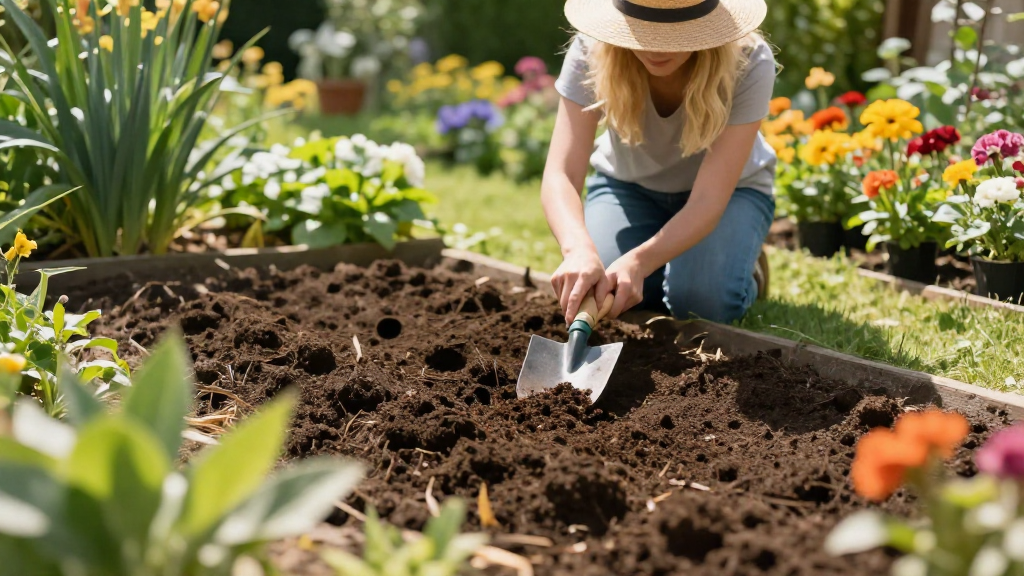
Preparing garden soil is a crucial step for any gardener looking to cultivate a healthy and productive garden.
In this article, we’ll explore how to prepare garden soil effectively, covering everything from soil testing to the best amendment practices.
Why is Soil Preparation Important?
Preparing garden soil sets the foundation for your plants’ success. Healthy soil promotes:
- Nutrient absorption
- Water retention
- Root development
- Soil aeration
When you take the time to prepare your soil properly, you are ensuring that your plants have the best environment to thrive, which ultimately leads to a bountiful harvest.
How to Prepare Garden Soil: What Steps Should You Take?
Understanding how to prepare garden soil involves several steps:
- Assess Your Soil Quality
Before you start, it’s essential to know the condition of your soil.
- Use a soil testing kit or send a sample to a local extension office.
- Check for pH levels, fertility, and soil texture.
- Clear the Area
Remove any debris, weeds, and old plant material.
- Pull out weeds by the roots to prevent regrowth.
- Remove rocks and large clumps of dirt.
- Loosen the Soil
Compacted soil can hinder root growth and drainage.
- Use a garden fork, shovel, or tiller to break up the soil to a depth of at least 12 inches.
- Make sure the soil is crumbly and easy to work with.
- Incorporate Organic Matter
Adding organic matter is one of the most effective methods for improving soil structure and fertility.
- Compost: Enriches the soil with nutrients and enhances moisture retention.
- Manure: Provides essential nutrients; aged manure is recommended to avoid burning plants.
- Peat moss or coconut coir: Improves soil aeration and moisture retention.
- Balance the Nutrients
Once you’ve assessed your soil and incorporated organic matter, it’s vital to correct nutrient deficiencies.
- Add minerals based on your soil test results:
- Lime: Raises soil pH.
- Sulfur: Lowers soil pH.
- Bone meal: Provides phosphorus for root development.
- Wood ash: Offers potassium and can help raise pH.
- Mix Everything Well
Combining your amendments thoroughly will ensure an even distribution of nutrients.
- Use a garden rake or shovel to mix organic matter and minerals into the soil.
- Continue to fluff the top layer of soil for adequate aeration.
When Should You Prepare Your Garden Soil?
Timing is crucial when learning how to prepare garden soil. Generally, you should start preparing your soil:
- In the spring: Allow at least a few weeks before planting to give the soil time to settle and stabilize.
- In the fall: Preparing your soil after the growing season can greatly improve its condition for the next year.
What Tools Do You Need to Prepare Garden Soil?
Having the right tools makes the task of soil preparation more efficient. Consider these essential tools:
- Garden fork
- Shovel
- Tiller or hoe
- Rake (to level out the soil)
- Soil testing kit
- Wheelbarrow (for transporting materials)
- Watering can or hose (if moisture is needed)
How to Maintain Your Garden Soil After Preparation?
Once you’ve learned how to prepare garden soil, maintaining its quality is key to ongoing plant health.
Here are some maintenance tips:
- Mulch: Apply organic mulch to retain moisture and suppress weeds.
- Add Organic Matter: Continuously incorporate compost or well-rotted manure each season.
- Rotate Crops: Avoid planting the same type of crops in the same spot each year to prevent nutrient depletion.
- Cover Crops: Consider planting cover crops in the offseason to enrich the soil and prevent erosion.
Trouble Spots: What to Watch Out For
While preparing your garden soil, be mindful of common issues:
- Rocky soil: May require extra effort to remove stones, consider a power tiller for tough areas.
- Clay-heavy soil: Amending clay with sand and organic matter can enhance drainage and aeration.
- Sandy soil: While easier to work with, sandy soil can drain too quickly; therefore, adding organic matter is essential to improve moisture retention.
Testing Your Prepared Garden Soil: Why It Matters
After you complete the initial preparation, it’s good practice to retest your soil.
- Twice a year: Check pH and nutrient levels to adjust your amendments accordingly.
- Observe plant growth: If plants are not thriving, consider revisiting your soil preparation methods.
Conclusion: Why You Should Prioritize Soil Preparation
Understanding how to prepare garden soil is a vital skill for any gardener.
By following the steps outlined above, you not only create a nutrient-rich environment for your plants but also promote biodiversity in your garden.
Healthy soil leads to healthy plants, so take the time to prepare your garden soil, and watch as your garden flourishes.
In summary, with proper preparation, your garden can yield incredible results, making your gardening efforts rewarding and fruitful. Happy gardening!