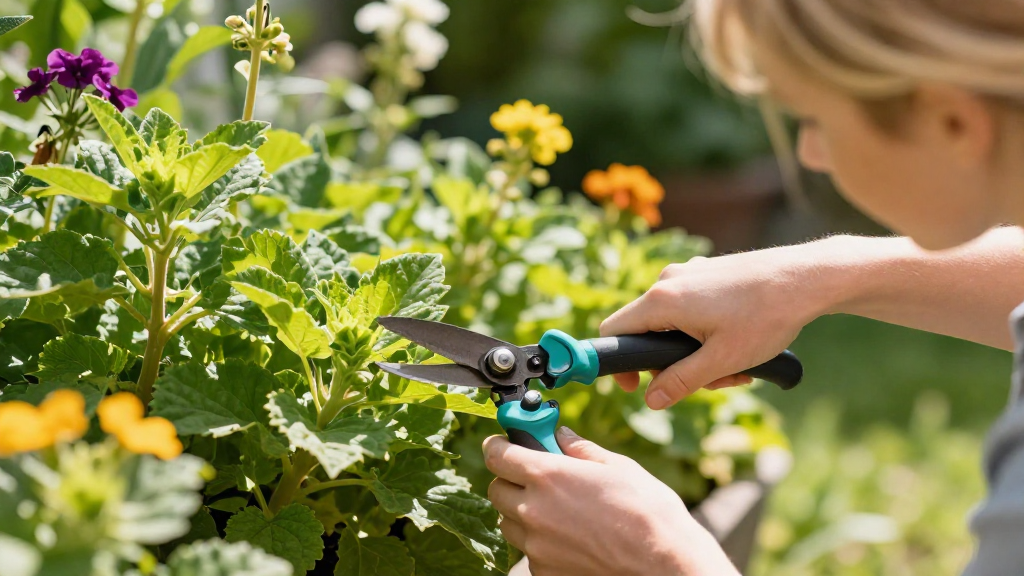
If you’re looking to enhance your garden’s vibrancy, understanding how to prune plants is essential.
What is the Purpose of Pruning?
Pruning is the practice of selectively removing certain parts of a plant, such as branches, buds, or roots.
By trimming away these elements in a careful manner, you can promote:
- Healthier growth
- Improved air circulation
- Better fruit and flower production
- Increased light penetration
In essence, pruning helps plants focus their energy on the healthiest parts, ultimately leading to a stronger and more attractive garden.
When is the Best Time to Prune Plants?
Knowing the right season for pruning is crucial. Pruning at the wrong time can stress your plants or even kill them.
Here’s a guideline based on plant type:
- Deciduous Trees and Shrubs: Late winter or early spring before new growth starts.
- Evergreens: Late spring to early summer.
- Flowering Shrubs: After blooming, typically in late summer.
- Fruit Trees: They benefit from winter or early spring pruning.
By timing your how to prune plants efforts wisely, you enable them to heal quickly and thrive.
What Tools Do You Need for Effective Pruning?
Equipping yourself with the proper tools can make your pruning tasks much easier and more effective. Here’s what you’ll need:
- Pruning Shears: Ideal for smaller branches and stems.
- Loppers: For larger branches up to an inch thick.
- Pruning Saw: Necessary for thicker limbs that cannot be pruned with loppers.
- Hedge Shears: Great for shaping hedges and shrubs.
- Gloves: Protect your hands from thorns and sharp branches.
- Safety Glasses: Keep your eyes safe from debris.
Having the right tools on hand ensures that you can carry out proper pruning techniques effectively.
How to Prune Plants: Step-by-Step Guide
Understanding the how to prune plants process involves following a structured approach. Here’s how to do it:
Step 1: Assess the Plant
Begin by examining the plant to identify:
- Dead or diseased branches
- Overgrown areas that need shaping
- Crossed branches that may cause damage
Step 2: Start with a Clean Cut
Using your pruning shears, make clean cuts at a 45-degree angle to avoid leaving a stub that can attract pests.
- Cut just above a bud or branch junction, which will encourage new growth.
- Always disinfect your tools before and after use to prevent disease spread.
Step 3: Remove the Right Amount
When it comes to how to prune plants, less is often more.
- For flowering plants: Aim to remove no more than 1/3 of the plant at a time.
- For fruit trees: Focus on selectively thinning rather than complete removal.
Step 4: Shape the Plant
It’s important to maintain the natural form of the plant.
- For shrubs, trim to create symmetry.
- For trees, ensure the top is not overly dense, allowing sunlight to penetrate through.
Step 5: Clean Up
After your pruning, make sure to:
- Remove any debris from the area.
- Dispose of diseased wood properly to avoid spreading illness to other plants.
Cleaning up after your pruning session keeps your garden looking tidy and healthy.
How Often Should You Prune Plants?
The frequency of pruning largely depends on the type of plants you have and their growth rates. Here’s a quick overview:
- Fast-growing plants: Every 6-12 months.
- Slower-growing plants: Once every few years, or as needed.
- Flowering shrubs: After blooms fade.
Regular pruning will keep your plants healthy and prevent them from becoming overgrown.
What Are the Common Mistakes to Avoid?
When learning how to prune plants, be aware of common pitfalls. These mistakes can hinder your plants’ growth instead of fostering it.
- Over-pruning: Removing too much foliage can stress the plant.
- Ignoring Growth Habit: Each species has a natural shape; cutting against it can lead to issues.
- Using Dull Tools: Dull tools create jagged cuts that can harm the plant.
- Pruning at the Wrong Time: This can limit the plant’s ability to recover.
- Not Disinfecting Tools: Always disinfect to prevent disease transmission.
Avoiding these mistakes will enhance the effects of your pruning efforts.
How to Prune Plants for Different Types
Different plants have specific pruning needs. Here’s a quick guide:
Trees
When pruning trees:
- Remove dead and diseased branches first.
- Maintain a balanced crown by trimming evenly around the tree.
Shrubs
For shrubs:
- Thin out crowded areas to improve air circulation.
- Cut back last year’s growth to encourage new shoots.
Flowering Plants
With flowering plants:
- Remove spent blooms to encourage further blooming (known as deadheading).
- Trim back leggy growth to promote a fuller shape.
By understanding the specific needs of each plant, you can enhance their growth and appearance.
Conclusion: Mastering the Art of Pruning
Ultimately, knowing how to prune plants effectively can transform your garden into a lush and vibrant sanctuary.
Pruning is not just about cutting away dead wood; it’s about making intentional decisions that benefit growth and health.
Regular maintenance, paired with proper techniques and timing, will yield stunning results.
So grab your pruning shears and get started! Your plants will thank you for the care you bestow upon them.